
Introduction
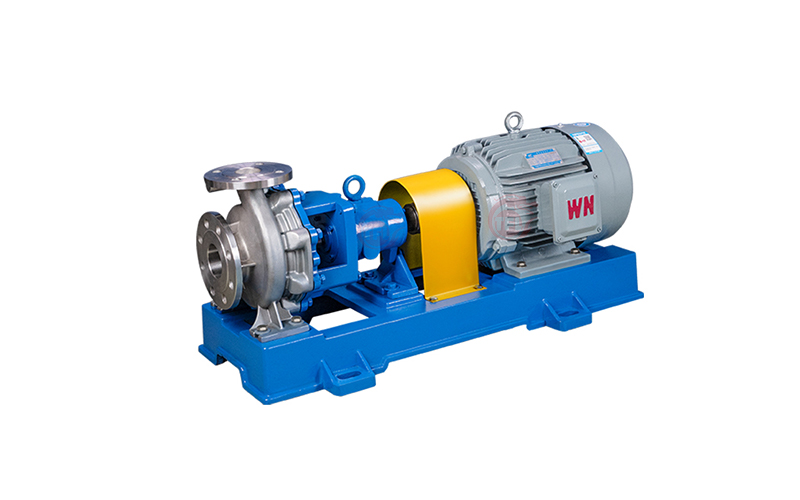
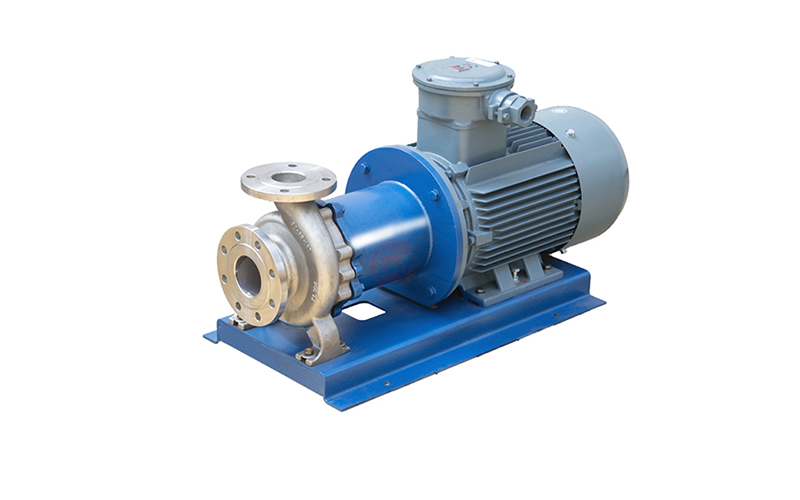
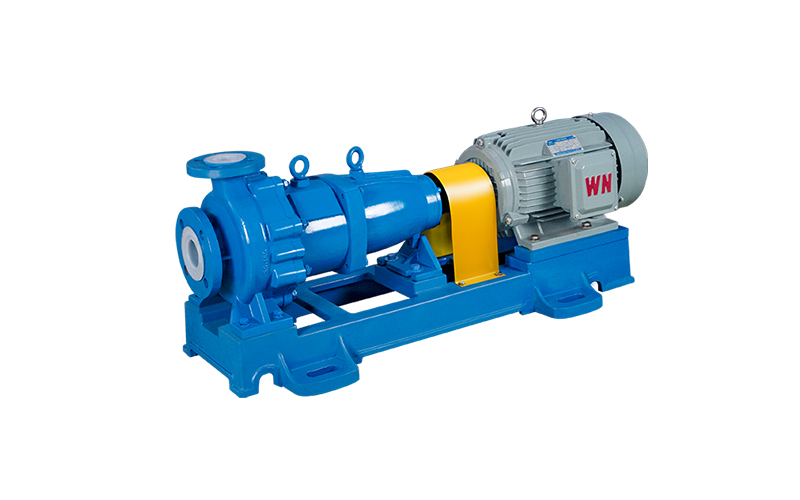
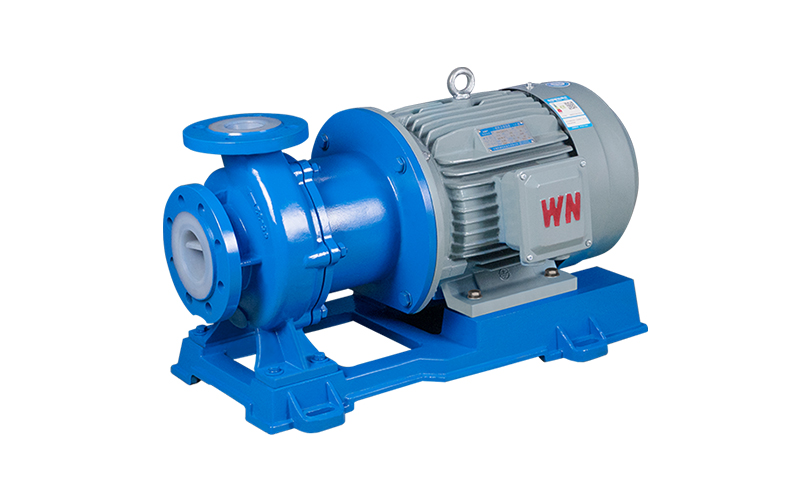
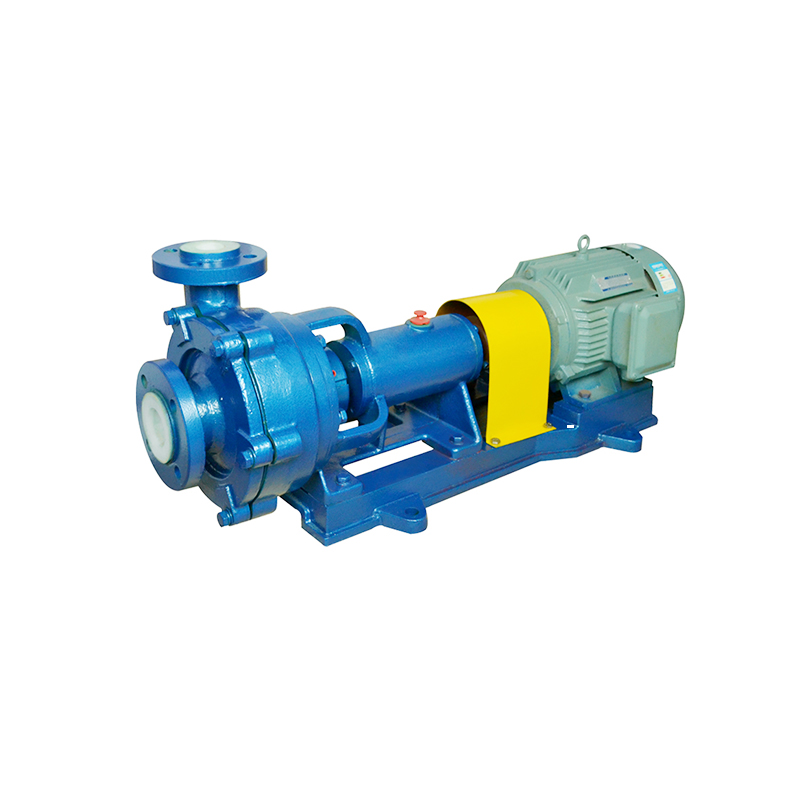
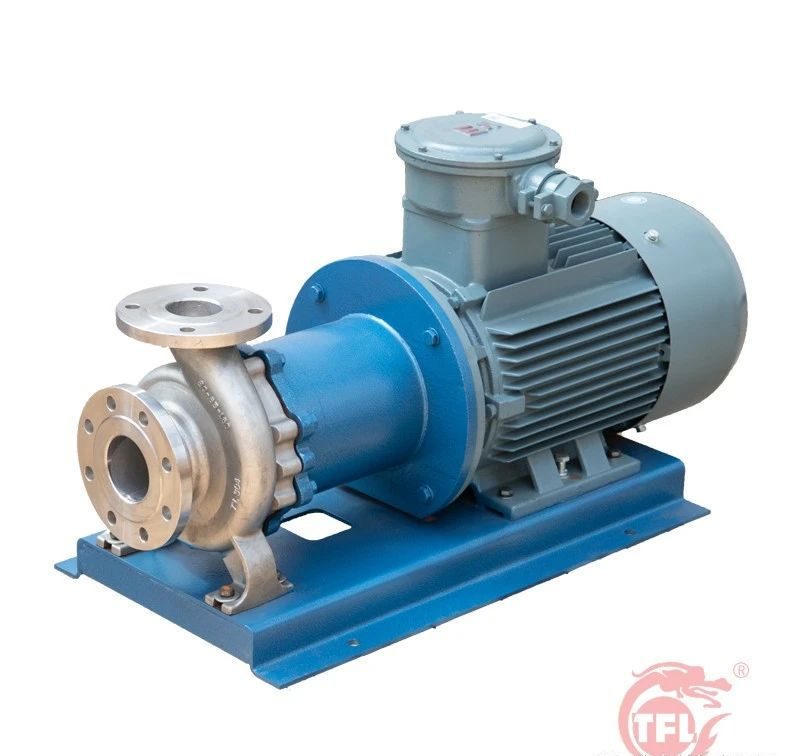
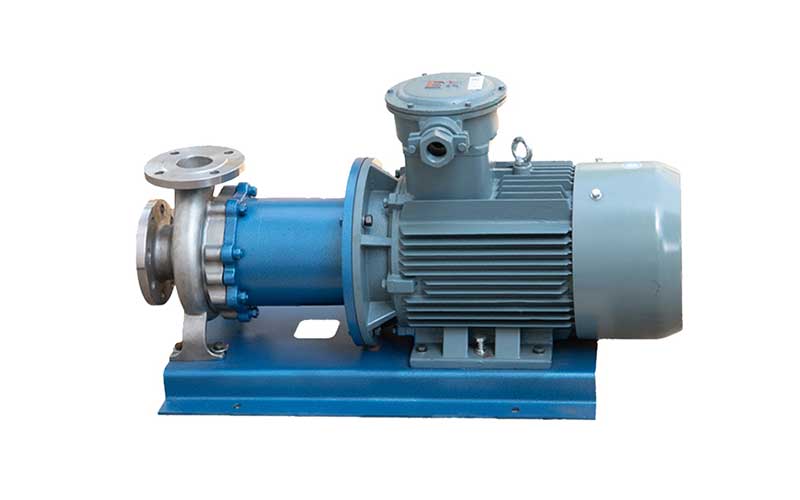
CQB-P stainless steel magnetic pump does not exist with the passage of time and aging demagnetization phenomenon, long service life, is one of the best-selling products of our company.
CQB-P stainless steel magnetic pump
CQB-P stainless steel magnetic pump made of stainless steel can be customized less than 200℃ steam insulation type.
Stainless steel magnetic pump parameters:
- Material: SS304-SS316-SS316L
- Flow: 3.6m³/ h-100m³/ h
- Head: 15m-80m
- Applicable medium: Lye, organic solvents, pharmaceutical intermediates
- Characteristics: Extra long life, maintenance-free
Our company can according to actual working condition, choose different configuration, provide an accurate solution. 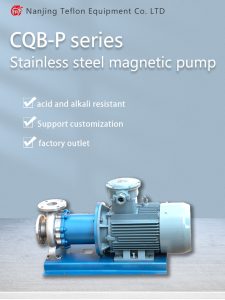
Good service
Core advantage

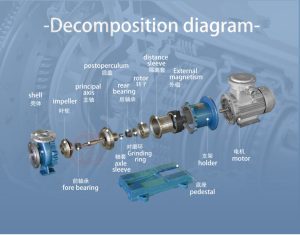
Breakdown drawing
Range of application
1, the chemical industry: stainless steel magnetic pump is widely used in the chemical industry, mainly used to transport a variety of corrosive liquids and gases, such as acid, alkali, salt and so on.
2, pharmaceutical field: stainless steel magnetic pump is suitable for drug transportation and preparation in the pharmaceutical industry, due to its clean, pollution-free characteristics, in line with the pharmaceutical industry’s requirements for drug quality.
3, petroleum field: stainless steel magnetic pump can be used to transport a variety of oil and chemicals, such as gasoline, diesel, lubricating oil, etc., with high efficiency, environmental protection, energy saving and other advantages.
4, food field: stainless steel magnetic pump can be used to transport a variety of food grade liquids, such as beverages, juice, milk, etc., due to its pollution-free, easy to clean characteristics, in line with the food industry on health and safety requirements.
5, environmental protection field: stainless steel magnetic pump can be used for sewage treatment, water recycling and other environmental protection fields, can effectively improve water quality and save water resources.
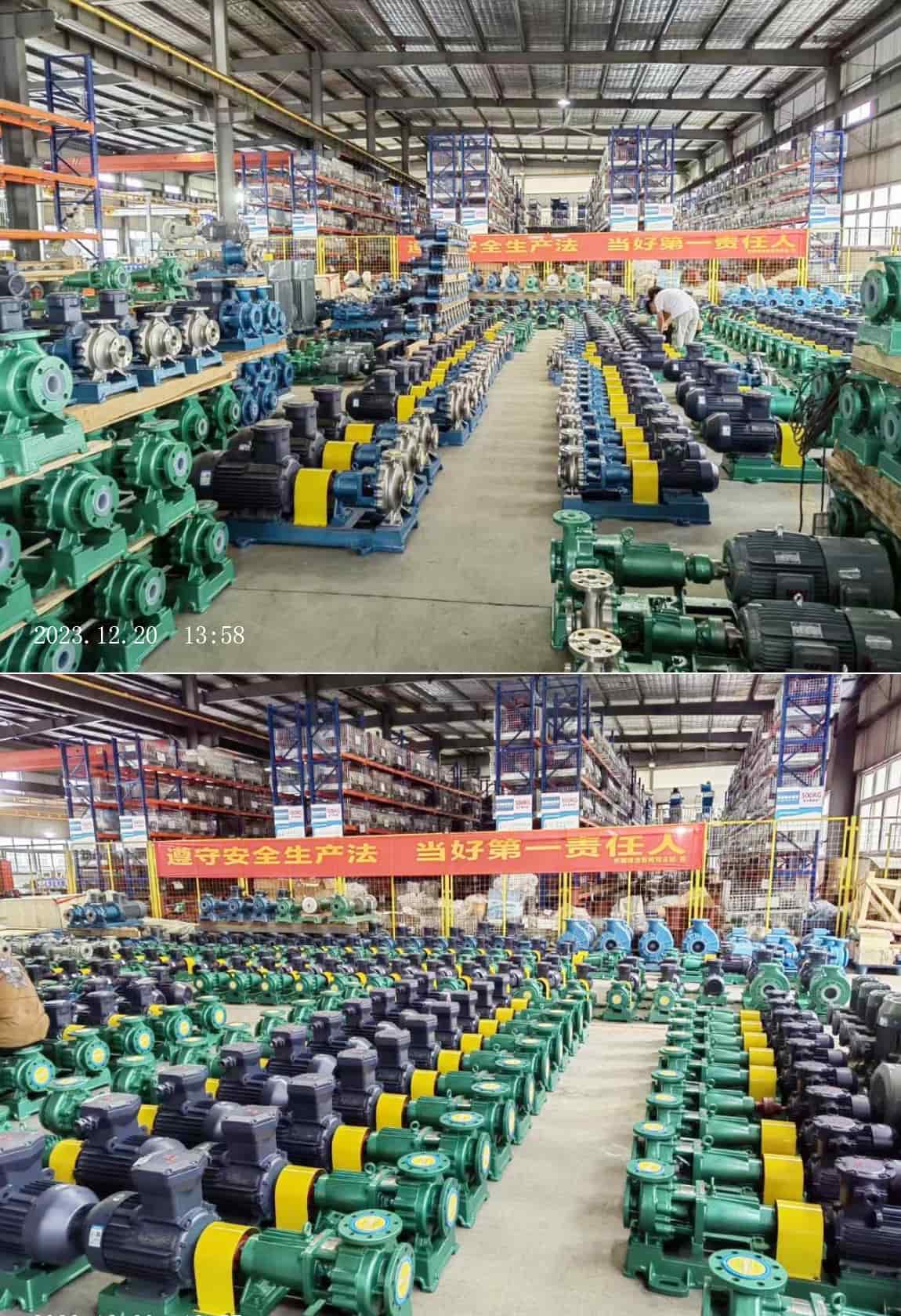
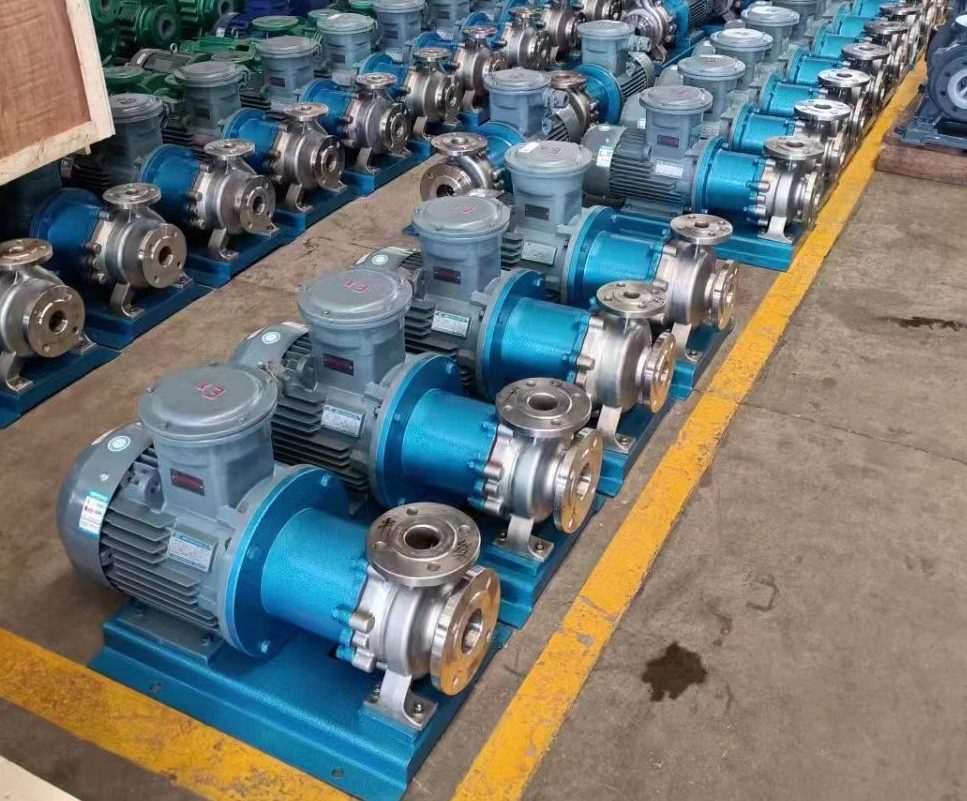
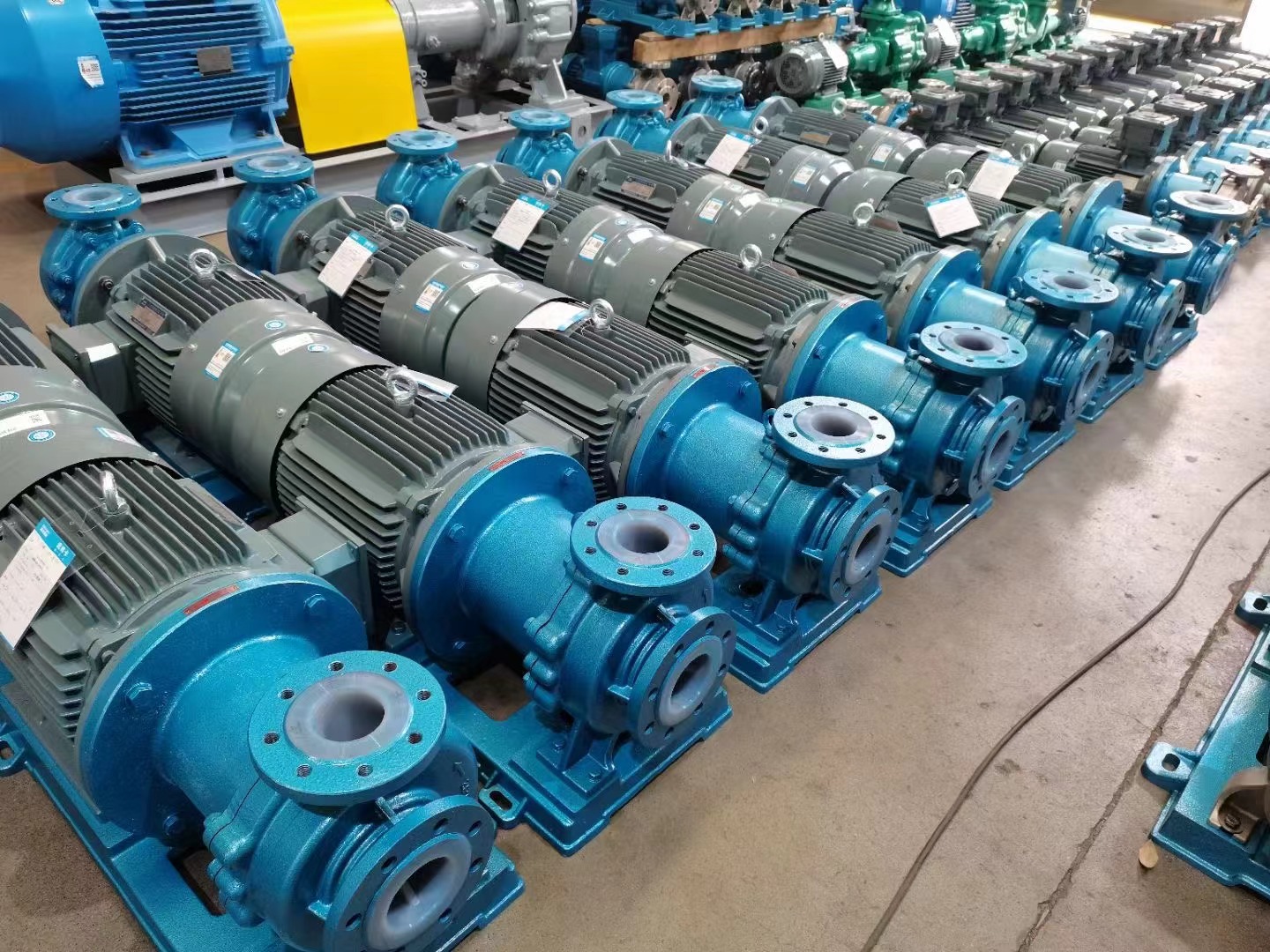
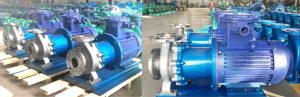
Factory photo display
Precautions for using pumps
1. Installation instructions for chemical centrifugal pumps:
(1) During installation, the weight of the pipeline should not be added to the water pump, and each support body should be provided to avoid deformation that may affect operational performance and lifespan.
(2) The pump and motor are integral structures and do not require alignment during installation, making installation very convenient.
(3) During installation, it is necessary to tighten the anchor bolts to avoid the impact of vibration on pump performance during startup.
(4) Before installing the water pump, it is necessary to carefully inspect the pump flow channel for any hard objects (such as stones, iron particles, etc.) that may affect the operation of the water pump, in order to avoid damaging the impeller and pump body during operation.
(5) For the convenience of maintenance and safety of use, a regulating valve is installed on each inlet and outlet pipeline of the pump, and a pressure gauge is installed near the pump outlet to ensure operation within the rated head and flow range, ensure normal operation of the pump, and increase its service life.
(6) The pump should be equipped with a bottom valve when used in suction situations, and the inlet pipeline should not have too many bends, and there should be no water or air leakage.
(7) The discharge pipeline, such as a check valve, should be installed outside the gate valve.
(8) After installation, move the pump shaft and there should be no friction or jamming of the impeller. Otherwise, the pump should be disassembled to check the cause.
(9) The installation methods of pumps are divided into rigid connection and flexible connection installation.
2. Installation sequence of chemical centrifugal pumps:
(1) When the unit is transported to the site, the attached base has already calibrated the water pump and motor. When leveling the base, it is not necessary to remove the water pump and motor, so installation is very convenient;
(2) Place the base on the foundation and place wedge-shaped iron near the foundation screws. Raise the base by 20-40 millimeters and fill it with cement slurry after leveling;
(3) Check the levelness of the base with a spirit level. After leveling, fill the base with cement slurry. After the cement dries up, check the levelness again;
(4) When the power of the unit is high, in order to facilitate transportation, the pump, motor, and base may be packaged separately, and users need to install them themselves;
The method for calibrating the water pump unit is as follows:
(1) Clean the dirt on the support plane of the base, the water pump foot, and the motor foot plane, and place the water pump and motor on the base;
(2) Adjust the pump shaft level, level it, and then fix the water pump on the base with bolts to prevent movement;
(3) Lift the motor, match the pump coupling with the motor coupling, and lower the motor to the corresponding position on the base;
(4) Adjust the gap between the two couplings to about 5mm and correct whether the axis lines of the motor shaft and pump shaft coincide. The method is to place a ruler on the coupling, and the outer circles of the two couplings should be level with the ruler. If they do not coincide, the relative position of the motor or pump should be adjusted, or a thin iron plate should be used for adjustment;
(5) In order to check the installation accuracy, a feeler gauge should be used to measure the gap between the two coupling planes at several different positions on the circumference of the coupling. The difference between the maximum and minimum clearances on one circumference of the coupling plane should not exceed 0.3mm, and the difference between the centerline of both ends should not exceed 0.1mm.
(6) When the unit is not equipped with a base, it needs to be installed directly on the foundation. The method is similar to 4, but more attention should be paid to calibration.
3. Starting and stopping of chemical centrifugal pumps:
1) Preparation before starting chemical centrifugal pumps
(1) Rotate the motor blades by hand, and the impeller should have no jamming or wear, and rotate flexibly.
(2) Open the inlet valve, open the exhaust valve to fill the entire pump chamber with liquid, and then close the exhaust valve.
(3) Manually rotate the pump to allow lubricant to enter the mechanical seal face.
(4) Jog the motor to determine if the steering is correct.
2) Starting and operation of chemical centrifugal pumps
(1) Fully open the inlet valve and close the discharge pipeline valve.
(2) Connect the power supply, and when the pump reaches normal speed, gradually open the valve on the discharge pipeline and adjust it to the required working condition.
(3) Pay attention to the instrument reading and check for shaft seal leakage. If normal, mechanical seal leakage is less than 3 drops per minute. Check that the temperature rise at the motor and bearings is ≤=70 ° C. If abnormal situations are found, they should be dealt with in a timely manner.
3) Chemical centrifugal pump shutdown
(1) Gradually close the discharge pipeline valve and cut off the power supply.
(2) Close the inlet valve.
(3) If the ambient temperature is below 0 ° C, the liquid in the pump should be drained to avoid freezing and cracking.
(4) If the pump is not used for a long time, it should be disassembled, cleaned, packaged, and stored.
4. Maintenance and upkeep of chemical centrifugal pumps:
1) Maintenance and upkeep during operation
(1) The water pipeline must be highly sealed.
(2) Do not operate the pump for a long time under cavitation conditions.
(3) Prohibit the pump from running for a long time with excessive motor current during flow operation.
(4) Regularly check the operation of the pump, and ensure that the motor runs for a long time due to overcurrent.
(5) The pump should be supervised by a dedicated person during operation to prevent accidents.
(6) The bearings should be lubricated every 500 hours of pump operation. The motor with a power greater than 11KW is equipped with a refueling device, which can be directly injected with a high-pressure oil gun to ensure excellent lubrication of the bearings.
(7) After long-term operation of the pump, if mechanical wear increases the noise and vibration of the unit, it should be stopped for inspection. If necessary, vulnerable parts and bearings can be replaced. The overhaul period of the unit is generally one year.
2) Maintenance and upkeep of mechanical seals for chemical centrifugal pumps
(1) Mechanical seal lubrication should be clean and free of solid particles.
(2) Mechanical seals are strictly prohibited from working under dry grinding conditions.
(3) Before starting, the pump (motor) should be turned a few times to avoid sudden starting that may cause the sealing ring to break and be damaged.
3) Maintenance and upkeep of chemical centrifugal pumps
(1) Check for any looseness in the pipeline and connection of the centrifugal pump. Rotate the centrifugal pump by hand and see if it is flexible.
(2) Add bearing lubricating oil into the bearing body and observe that the oil level should be at the centerline of the oil mark. The lubricating oil should be replaced or replenished in a timely manner.
(3) Unscrew the water inlet plug of the centrifugal pump body and inject water (or slurry).
(4) Close the gate valve, outlet pressure gauge, and inlet vacuum gauge of the water outlet pipeline.
(5) Jog the motor and check if the direction of rotation is correct.
(6) Start the motor, and when the centrifugal pump is running normally, open the outlet pressure gauge and the inlet vacuum pump to see that they display appropriate pressure. Gradually open the gate valve and check the motor load condition.
(7) Try to control the flow rate and head of the centrifugal pump within the range indicated on the label to ensure that the centrifugal pump operates at the highest efficiency point, in order to achieve the maximum energy-saving effect.
(8) During the operation of a centrifugal pump, the bearing temperature should not exceed the ambient temperature of 35C, and the maximum temperature should not exceed 80C.
(9) If any abnormal sound is found in the centrifugal pump, it should be stopped immediately to check the cause.
(10) When the centrifugal pump needs to be stopped, first close the gate valve and pressure gauge, and then stop the motor.
(11) During the first month of operation of the centrifugal pump, the lubricating oil should be replaced after 100 hours, and then every 500 hours.
(12) Regularly adjust the packing gland to ensure normal dripping inside the packing chamber (preferably in drops).
(13) Regularly check the wear of the shaft sleeve, and replace it promptly if there is significant wear.
(14) When using a centrifugal pump in the cold winter season, after parking, it is necessary to unscrew the water plug at the bottom of the pump body to drain the medium completely. Prevent frost cracking.
(15) If the centrifugal pump is not used for a long time, it is necessary to dismantle all the pumps, dry the water, apply grease to the rotating parts and joints, and store them properly.
Impeller maintenance method
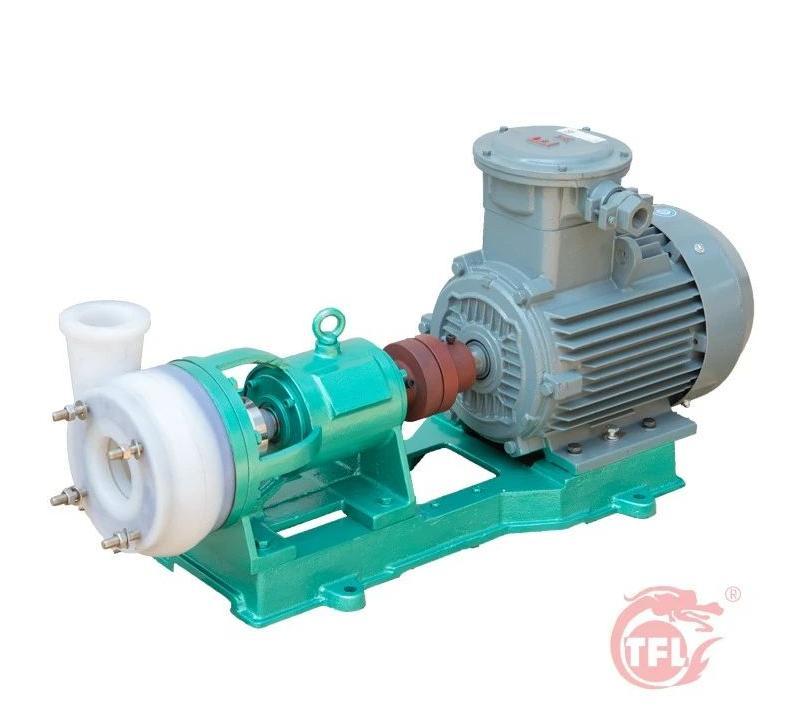
The maintenance methods of stainless steel centrifugal pump impeller are as follows:
Stainless steel centrifugal pump impeller may occur some damage, there is one of the following circumstances, to be replaced: 1. The surface of the impeller is cracked. 2. Many holes are formed on the surface of the impeller due to corrosion, erosion or cavitation. 3. Due to washing, the outer cover and blades of the impeller become thinner, affecting the mechanical strength. 4. The impeller mouth and wheel hub have serious off-wear phenomenon, which is not worth repairing.
The impeller corrosion is not serious or the sand hole is less, can be repaired by repair welding method. The method of repair welding is to clean the welding parts before welding, remove oil, rust, oxide and so on. It can be preheated to 250 ° C -450 ° C either locally or as a whole. The welding powder is usually powder 301, the welding wire is usually 224 silicon brass wire, the gas welding flame is light oxide flame or neutral flame, and the crimping method is generally used in order to reduce the weld metal during operation.
Prevent overheating and improve weld formation. During work, try to avoid direct contact between the high temperature flame core and the molten pool metal, and avoid porsity in the weld metal. After welding, heat preservation and slow cooling can remove stress and improve performance. After cooling, it can be machined.