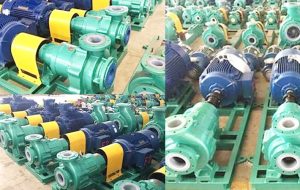
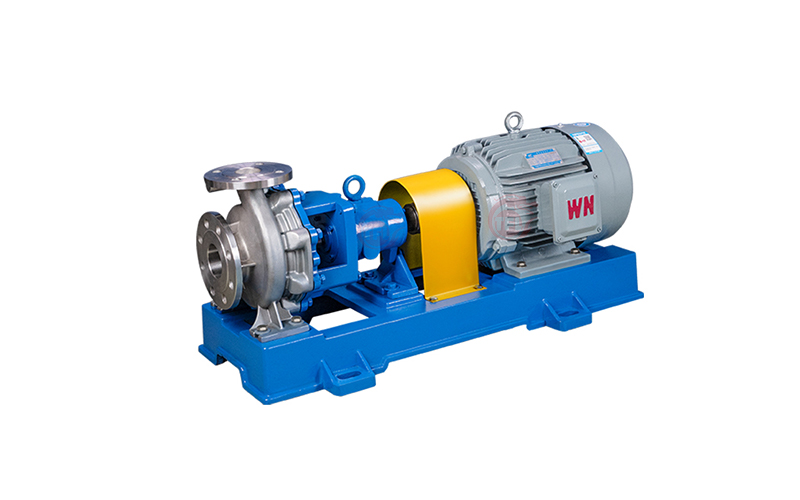
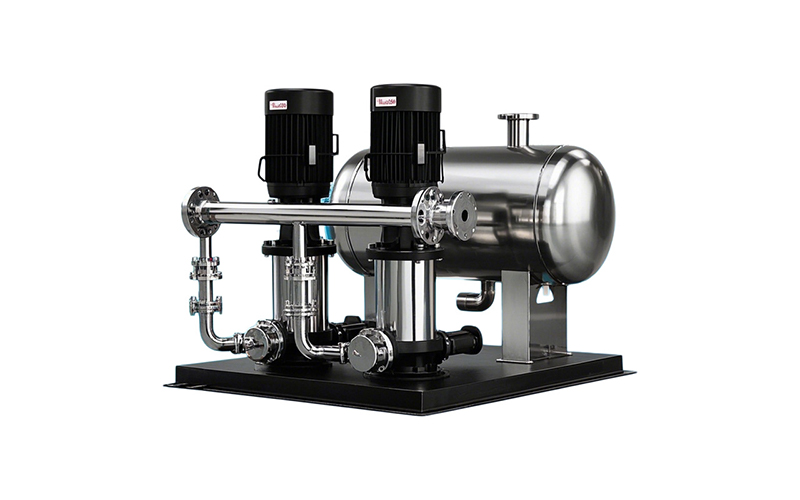
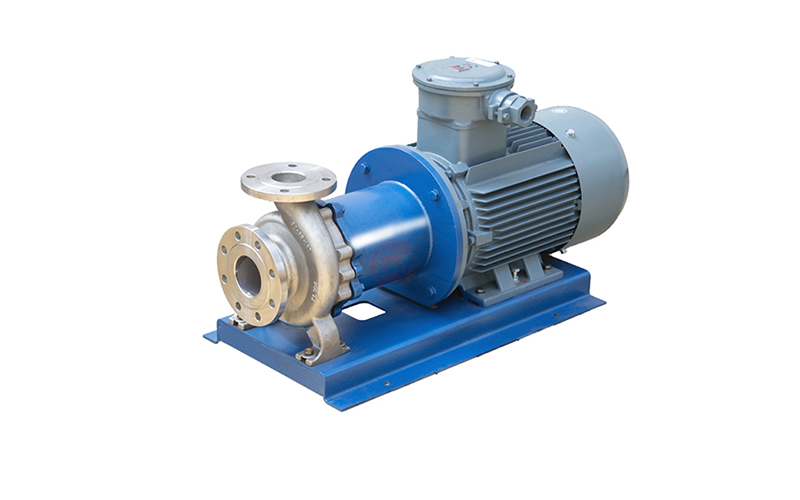
Abnormal pump vibration directly impacts safe operation. Severe vibration can cause certain components to deform or even break, severely shortening the pump’s service life. Vibration can also loosen bolts on rotating parts, potentially throwing mechanical components and endangering personnel. Pump vibration also generates noise, severely impacting the work environment.
We control pump vibration from the perspective of pump installation. The following methods can achieve vibration isolation of over 85-99%, fundamentally resolving the problems that pump vibration can cause in both daily life and industrial production.
Pump Vibration Control:
1. Installing Spring Isolators:
a. Choosing a Pump Spring Isolator Style:
Free-standing spring isolators are generally chosen. They have the advantages of simple structure and low cost. The exposed springs facilitate constant monitoring of their condition and allow for early replacement of springs to prevent excessive rust and damage, which could cause the pump to suddenly sink, potentially damaging the equipment and severing pipes.
b. Spring Selection:
Vibration damper manufacturers typically select springs that meet the following requirements: The spring diameter must be no less than 0.8 times its height under rated load; the spring must have a certain amount of excess travel, at least 50% of the rated static deflection; and the spring’s horizontal stiffness must be at least 100% of its vertical stiffness to ensure the stability of the damper.
c. Selecting the spring damper deflection;
The rated deflection (rated spring compression) of a spring damper typically provided by damper manufacturers is 25mm (from a frequency of approximately 3-4Hz). This deflection is sufficient for vibration isolation in a 650 rpm water pump. For speeds below 650 rpm, a spring damper with a deflection of 40mm or less is recommended.
2. Installing Rubber Isolators:
Rubber isolators are typically made of chloroprene rubber (CR) or natural rubber (NR). Compression-type rubber isolators are generally used, while shear-type rubber isolators can be used for lighter pumps.
Compared to spring isolators, rubber isolators offer slightly lower vibration isolation performance.
3. Install a Flexible Foundation:
To meet more stringent vibration control standards, installing a flexible foundation in conjunction with spring isolators is undoubtedly the best option. Flexible foundation specifications: The foundation weight should be approximately 1-2 times the weight of the pump. The frame should be constructed of locked channel iron, with a height of at least 1/12 of the length, but no less than 150mm and no more than 300mm. The length and width should be sufficient to encompass the entire pump, with a margin of 10-15cm on each side. Ideally, this should also include the elbow. Concrete should be poured inside, and a layer of steel mesh should be inserted at one-third of the height. Spring isolators should be installed to maintain a 3-5cm gap between the foundation and the foundation.