
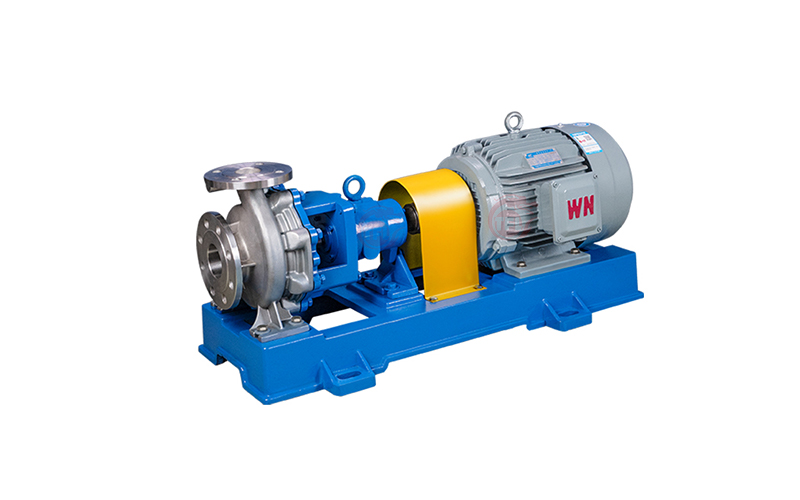
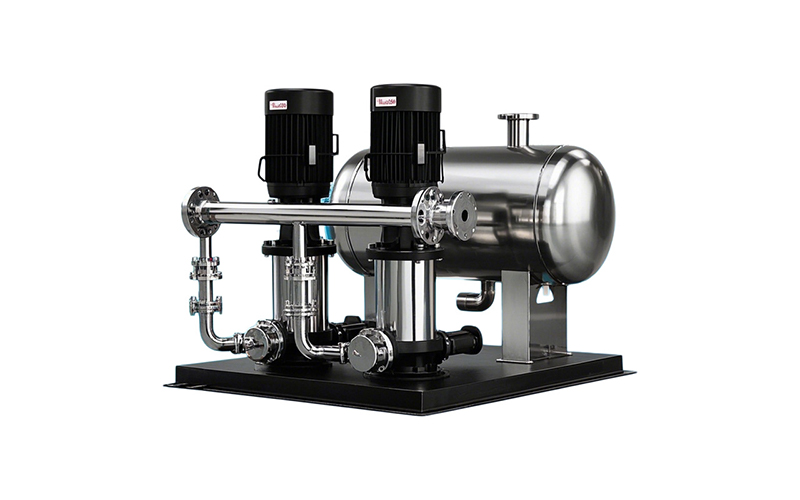
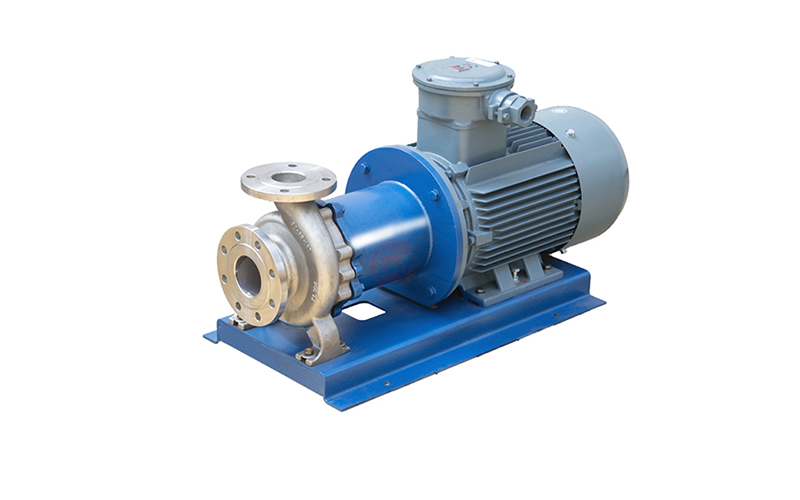
Magnetic pumps, also known as magnetic drive pumps, use a magnetic field to drive the impeller to rotate, eliminating the physical connection between the motor and the pump. Here are some of the advantages and disadvantages of magnetic pumps:
Advantages:
No mechanical seal: Since there is no physical connection between the motor and the pump, no mechanical seal is required. This eliminates the risk of leakage and the need for expensive maintenance.
High reliability: Magnetic pumps have high reliability and long service life. Since there is no physical contact between the rotating and stationary parts, they are not prone to wear.
Corrosion resistance: Magnetic pumps are ideal for handling corrosive and corrosive fluids because they are usually made of corrosion-resistant materials.
Energy saving: Magnetic pumps are energy-efficient because they eliminate the physical connection between the motor and the pump. This reduces friction losses and improves efficiency.
Disadvantages:
Limited flow: Magnetic pumps generally have lower flow rates than conventional pumps. This is due to the limited impeller sizes that can be used with magnetic pumps.
Limited temperature range: Magnetic pumps are generally not suitable for high temperature applications because the magnetic field can break down at high temperatures.
Limited head pressure: Magnetic pumps are generally not suitable for high pressure applications due to the limited magnetic coupling between the motor and the pump.
Cost: Magnetic pumps are generally more expensive than conventional pumps due to the complex design and use of rare earth magnets.