
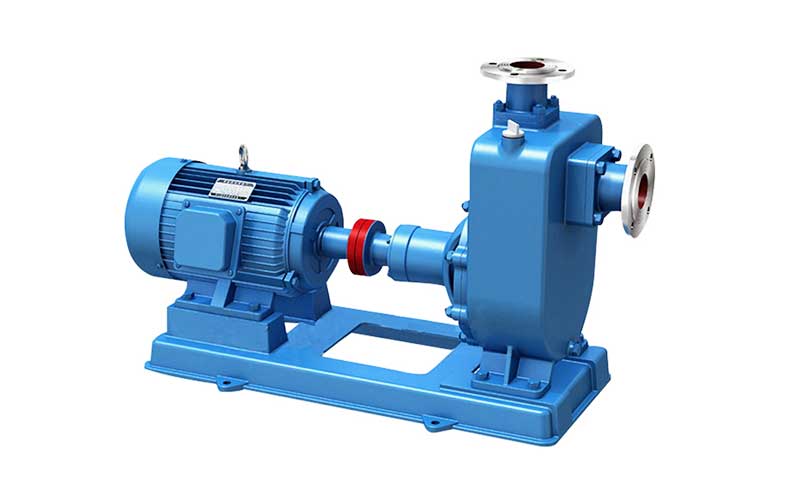
Introduce
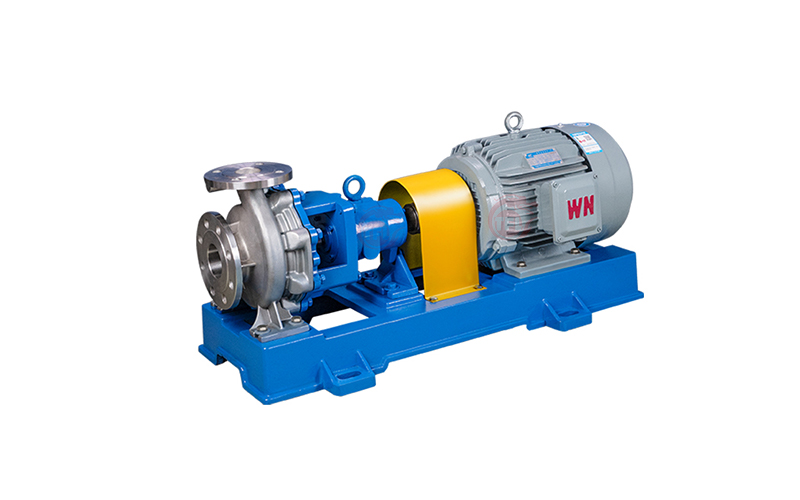
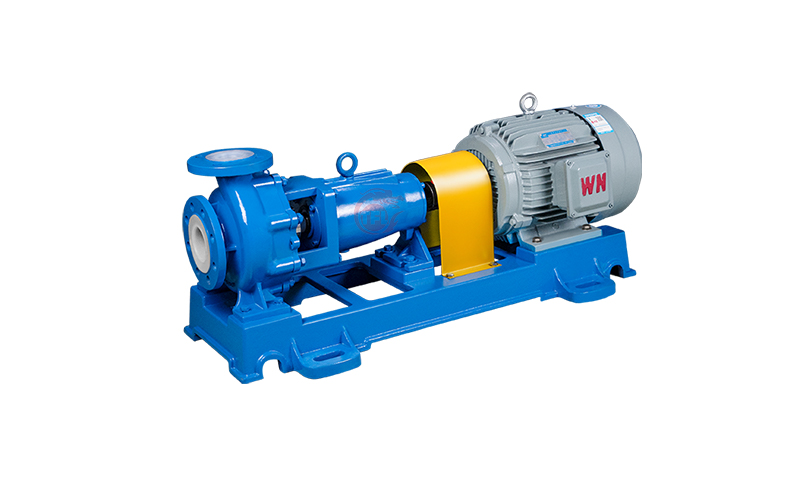
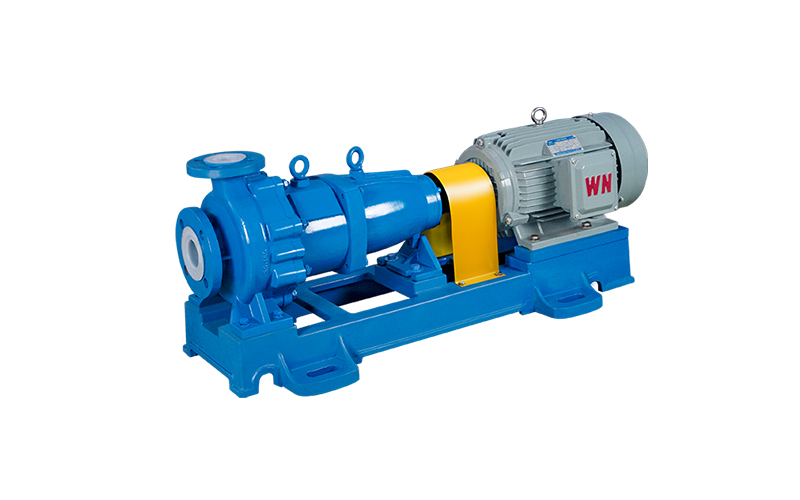
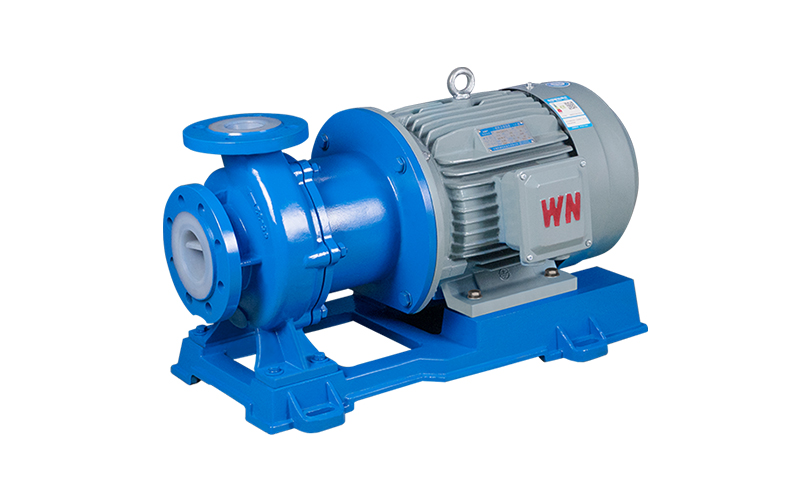
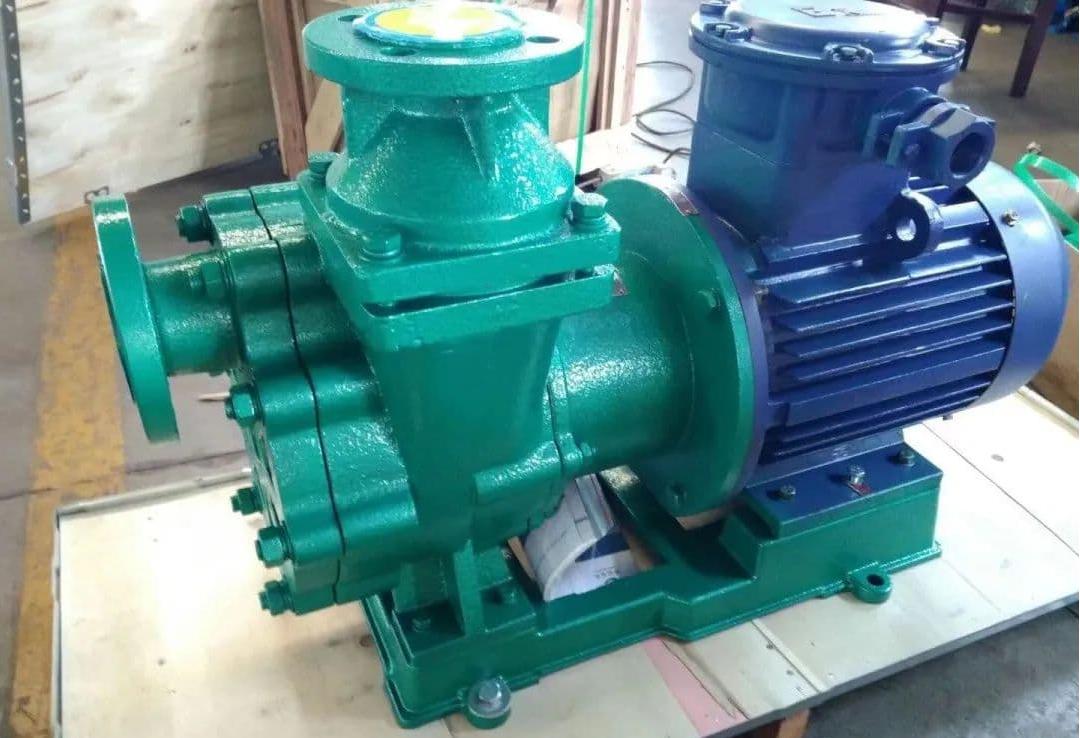
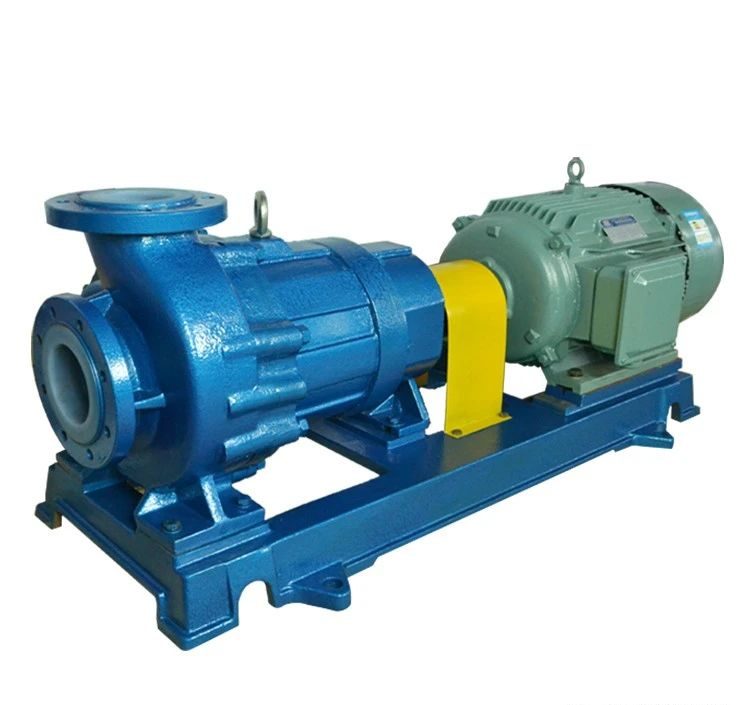
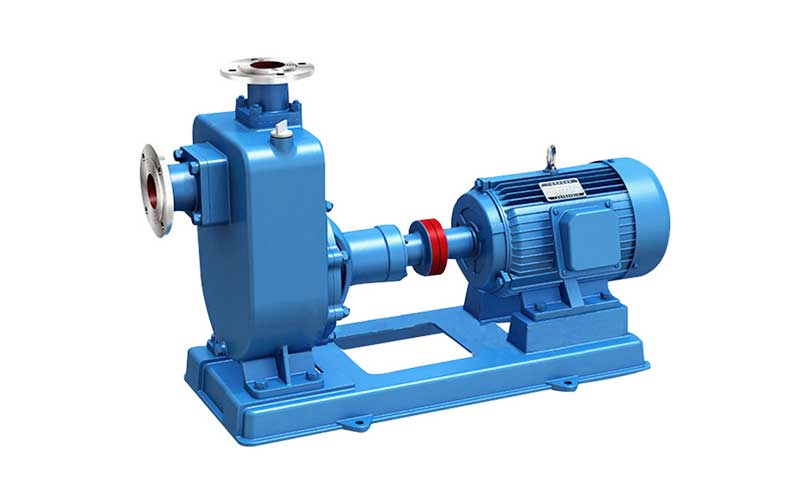
Self-priming pump is a self-priming centrifugal pump, which has the advantages of compact structure, easy operation, smooth operation, easy maintenance, high efficiency, long life, and strong self-priming ability. The pipeline does not need to install the bottom valve, and only need to ensure that there is a quantitative primer stored in the pump body before work. Different liquids can be self-priming pumps of different materials.
ZX type self-priming pump is a horizontal self-priming centrifugal pump, because the pump itself does not have a check valve, the structure is the simplest; Work the most reliable; Long working time, easy to maintain and use. Small size, light weight, high efficiency, in the design of the special consideration compared with the same caliber of the pump, large displacement, high performance. Applicable to urban environmental protection, construction, fire, chemical, pharmaceutical, dyeing, brewing, electricity, electroplating, paper making, petroleum, mining, equipment cooling, oil tanker unloading and so on.
Nanjing Teflon equipment specializes in the development, production and sales network of corrosion-resistant pumps, valves, pipelines and other equipment. It is one of the earliest vendors in China to use fluorine plastics to manufacture pump valves. Our products have passed ISO9001 international quality system certification. It has rich manufacturing experience, strong technical force, perfect testing means, complete variety specifications, low price and affordable, stable and reliable quality. Our aim is “to seek development by science and technology, to survive by quality, to seek efficiency by customers, and strive to provide users with high-quality products and satisfactory services by advanced production management and strict quality requirements.”
Specialty
Ordinary centrifugal pump, if the suction liquid level is under the impeller, the water should be filled in advance when starting, which is very inconvenient. In order to store water in the pump, the inlet of the suction pipe needs to be installed with a bottom valve, which causes a great hydraulic loss when the pump is working. The so-called self-priming pump is that there is no need to fill water before starting (the first start after installation still needs to fill water), after a short period of operation, relying on the role of the pump itself, that is, the water can be sucked up and put into normal work.
Applied range
1, suitable for urban environmental protection, construction, fire, chemical, pharmaceutical, dyes, printing and dyeing, brewing, electricity, electroplating, paper making, industrial and mining washing, equipment cooling, etc.
2, equipped with rocker nozzle, but also can wash water into the air, scattered into small raindrops for spray, is a good farm, nursery, orchard, vegetable garden equipment.
3, suitable for clean water, seawater and chemical medium liquid with acid and alkalinity and slurry with general paste (medium viscosity < 100 centiper cent, solid content up to 30%).
4, can be used with any model specifications of the filter press, the slurry is sent to the filter press for filter the most ideal supporting pump.
Maintenance methods
Maintenance method:
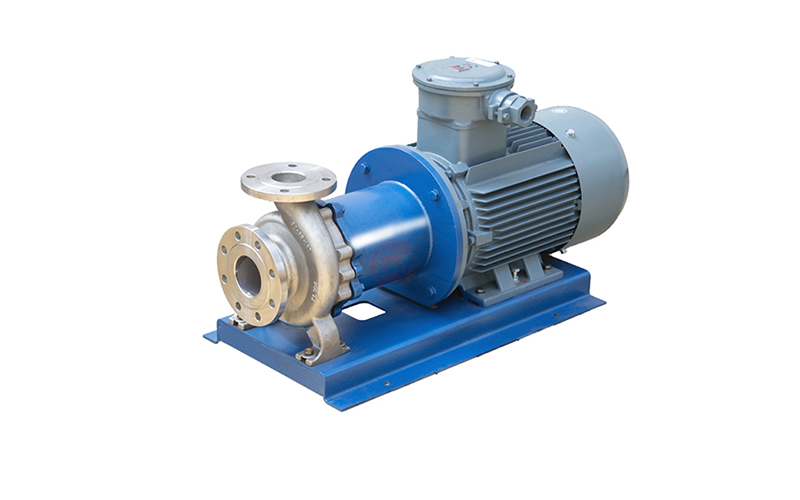
1) After 1000 hours of normal operation of the magnetic pump, the wear of the bearings and end face moving rings should be inspected and replaced with non reusable vulnerable parts.
2) The ambient temperature of the pump during use should be less than 40 ℃, and the temperature rise of the motor should not exceed 75 ℃.
3) The medium being transported and its temperature should be within the allowable range of the magnetic pump material. The operating temperature of engineering plastic pumps is less than 60 ℃, the operating temperature of metal pumps is less than 100 ℃, and the conveying suction pressure is not greater than 0.2MPa.
4) If the medium being transported contains solid particles, a filter screen should be added at the pump inlet. If it contains ferromagnetic particles, a magnetic filter should be added.
5) If the conveying liquid is a medium that is prone to precipitation and crystallization, it should be cleaned in a timely manner after use and the accumulated liquid in the pump should be drained.
6) The cooling and lubrication of magnetic pump bearings rely on the medium being transported, so it is absolutely prohibited to operate them without load; At the same time, attention should also be paid to the sudden power outage of the water pump during operation, and then restart the spatiotemporal operation.
7) The assembly quality of GC type boiler feedwater pump directly affects the normal operation of the pump, and affects the service life and performance parameters of the pump; The vibration and noise of the unit should be affected, and the following points should be noted during assembly:
a、 The concentricity of the fixed parts after assembly depends on the manufacturing accuracy and assembly quality of the parts. The machining accuracy and surface roughness of the parts should be ensured, and collision or scratches are not allowed. Molybdenum disulfide used as a sealant should be clean. The screws and bolts used for fastening should be uniformly stressed.
b、 The alignment between the impeller outlet channel and the guide vane inlet channel is ensured by the axial dimensions of each component. The quality of the neutral flow channel directly affects the performance of the pump, so the size of the pump cannot be adjusted arbitrarily.
c、 After the pump assembly is completed, before installing the packing, rotate the pump rotor by hand to check whether it rotates flexibly in the casing and whether the axial displacement meets the specified requirements.
d、 After the above inspection meets the requirements, add packing to the shaft seals at both ends of the pump, paying attention to the relative position of the packing ring in the packing chamber.
8) Pump disassembly
a、 Disassembly should be carried out in the opposite order of assembly, and the manufacturing accuracy of the parts should be strictly protected from damage during disassembly.
b、 When disassembling the threaded rod, each middle section should be padded first to prevent loosening of the middle section stop and sinking, which will bend the shaft.
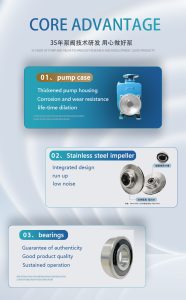
core advantage
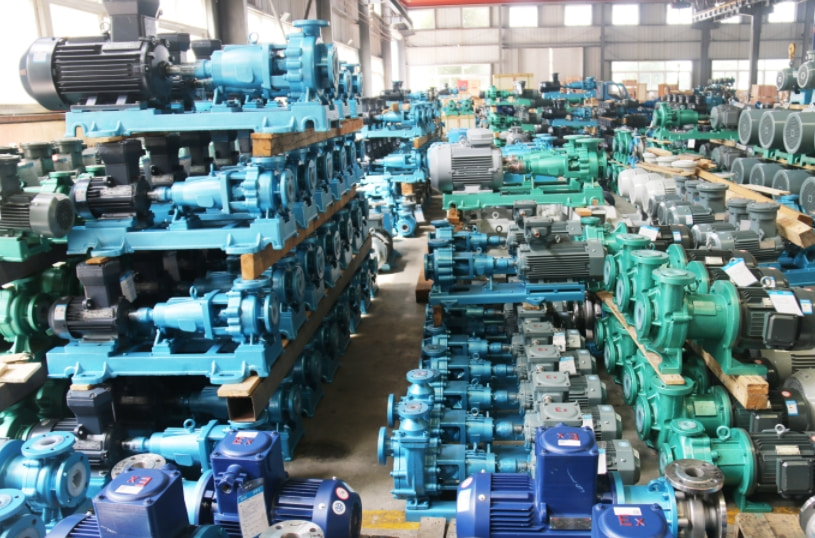
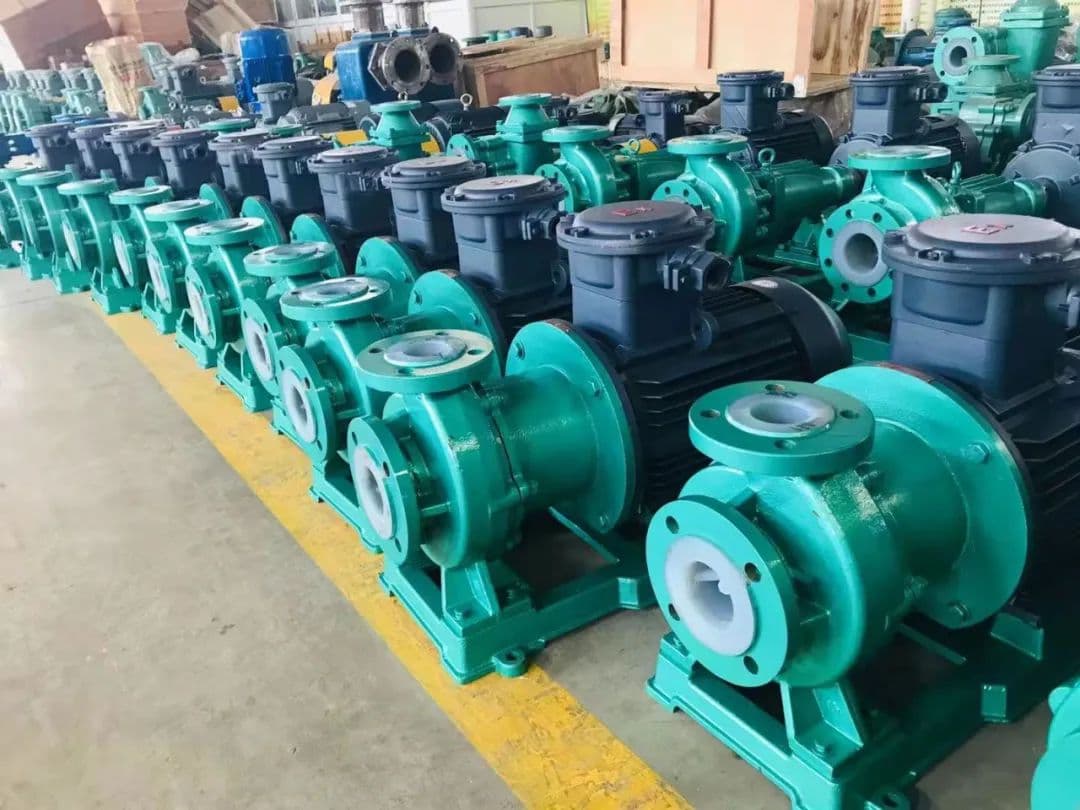
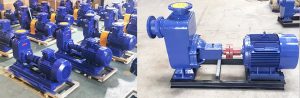
Factory pump photo
FAQ
- According to what selection of mechanical seal friction pair material?
A: It should be selected according to the nature of the medium, working pressure, temperature, sliding speed and other factors, and sometimes the ability to withstand short time dry friction when starting or liquid film damage is considered.
- What are the effective ways of labyrinth sealing to increase the resistance of the medium?
A: 1) Reduce the gap, 2) strengthen the vortex, 3) increase the number of sealing teeth, 4) try to convert the kinetic energy of the air into heat energy
- What is the working principle of floating ring seal?
A: The floating ring seal is based on the throttling effect generated in the narrow gap between the shaft and the floating ring, and the sealing oil higher than the gas pressure is injected in the gap to achieve the purpose of sealing the gas.
- What is the cause of the increased leakage of the floating ring seal?
A: 1) The floating ring is used for a long time, normal wear, so that the gap increases; 2) The bushing surface of the floating ring hole is rough, the precision is low, and the gap increases due to short time wear; 3) Improper assembly causes deflection, and the fitting accessories fall off, so that the oil flows out from other gaps, and the leakage increases;
- What is the role of the oil baffle? How to measure and adjust the oil barrier gap?
A: 1) The role of the oil stop is to prevent the bearing lubricating oil from flowing along the journal to the outside of the bearing, and the installation position of the oil stop has two kinds: one is on the bearing seat, and the other is on the bearing bush; 2) The oil barrier gap can be measured with a ruler when the oil barrier is disassembled or assembled. For the bearing in the oil barrier gap can be appropriately relaxed, in the face of the oil barrier gap requirements on the bearing seat is more strict, the general requirements of the lower part is 0.05-0.10mm, both sides are 0.10-0.20mm, the upper part is 0.20-0.25mm.
- What are the factors that affect labyrinth sealing?
A: 1) The radial clearance is too large, or the newly replaced air seal ring clearance is too small; 2) The seal disc or air seal ring, the teeth become dull due to wear, or due to long-term wear after heat deformation, causing damage and can not be used; 3) After long-term use, the spring becomes relaxed and deformed, so that the gas seal ring can not be in place, after operation, the precipitation of dust and dirt is accumulated, and the pressure of the sealed medium is lower than the pressure of the working medium or the pressure is unstable.
- What are the common types of dynamic seals?
A: cup seal, ring seal, spiral seal, pneumatic seal, hydraulic seal, centrifugal seal, packing seal, labyrinth seal, mechanical seal, etc.
- What are the main factors affecting sealing?
A: 1) seal itself quality, 2) process operating conditions, 3) assembly and installation accuracy, 4) host itself accuracy, 5) sealing auxiliary system
- Which parts are mechanical seals composed of?
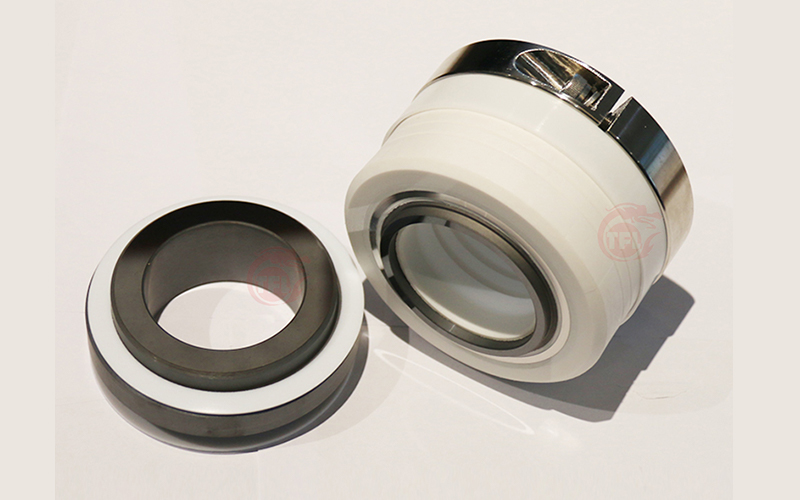
A: The mechanical seal is composed of static ring, dynamic ring, compensation buffer mechanism, auxiliary sealing ring and transmission mechanism. The end faces of the static ring and the moving ring are perpendicular to the axis of the pump and fit each other to form a rotating sealing surface. The static ring and the gland, the dynamic ring and the shaft are sealed with auxiliary sealing rings to compensate for the buffer mechanism to push the sealing ring along the axial movement, keep the dynamic ring and the static ring face to face, and compensate for the wear of the seal ring face.
- What are the characteristics of mechanical seals?
A: 1) Good sealing performance, mechanical seal leakage is generally 0.01-5ml/h, according to special requirements, through special design, manufactured mechanical seal leakage is only 0.01ml/h, or even smaller, and packing seal leakage is 3-80ml/h (according to China’s relevant regulations, when the shaft diameter is not greater than Φ50mm, less than or equal to 3ml/h, When the shaft diameter is equal to Φ50mm, it is less than or equal to 5ml/h); 2) Long service life, generally more than 8000h; 3) The friction power is small, only 20%-30% of the packing seal; 4) There is no relative movement between the shaft and the sleeve and the seal, there is no friction, and the shaft and the sleeve have a long service life; 5) The sealing surface of the mechanical seal is perpendicular to the pump axis, and the seal is displaced at any time when the pump shaft is vibrating, so the vibration can still maintain good sealing performance when it is in a certain range; 6) The mechanical seal relies on the pressure of the sealing fluid and the action of the spring force to maintain the static and dynamic ring sealing surface, and relies on the spring force to compensate for the amount of wear, so once the deployment is suitable, the pump generally does not need to be adjusted frequently in operation, easy to use, and the maintenance workload is small; 7) Wide range of working conditions, can be used for high temperature, low temperature, high pressure, high speed and strong corrosion conditions; 8) Troubleshooting and parts replacement is not convenient, can only be repaired after parking; 9) Complex structure, high assembly accuracy, assembly and installation have certain technical requirements; 10) High manufacturing price
- What are the main characteristic parameters of mechanical seals?
A: 1) shaft diameter: the shaft diameter range of the pump mechanical seal is generally 6-200mm, and the special can reach 400mm. The shaft diameter of the pump is usually determined by the strength requirements and rounded or modulated by the bushing to meet the standard shaft diameter of the mechanical seal; 2) Speed: generally the same as the speed of the pump, the speed of the general centrifugal pump is less than or equal to 3000r/min; High speed centrifugal pump is less than or equal to 8000r/min, special pump is less than or equal to 4000r/min; 3) Sealing surface average circular linear velocity: refers to the circular linear velocity of the average diameter of the sealing end face. The average linear velocity of the sealing surface has greater heating and wear to the sealing surface (i.e. friction pair). Generally, the circular linear speed of the sealing is less than or equal to 30m/s; The circular linear speed of the spring-stationary mechanical seal is less than or equal to 100m/s; Special up to less than or equal to 150m/s; 4) End specific pressure: end specific pressure Pc is the contact pressure (MPa) on the sealing surface. The specific pressure of the end face seal should be controlled within a reasonable range, too small will reduce the sealing performance, too large will aggravate the heat and wear of the sealing surface. Pump mechanical seal reasonable end specific pressure value: built-in mechanical seal, generally take Pc=0.3-0.6MPa; For external installation, Pc=0.15-0.4MPa. When the lubricity is good, the specific pressure of the end face can be appropriately increased, and the liquid with large viscosity can increase the specific pressure of the end face, preferably Pc=0.5-0.7MPa. For volatile and poor lubricity liquids, the specific pressure of the end face should be smaller, preferably Pc=0.3-0.45MPa.