
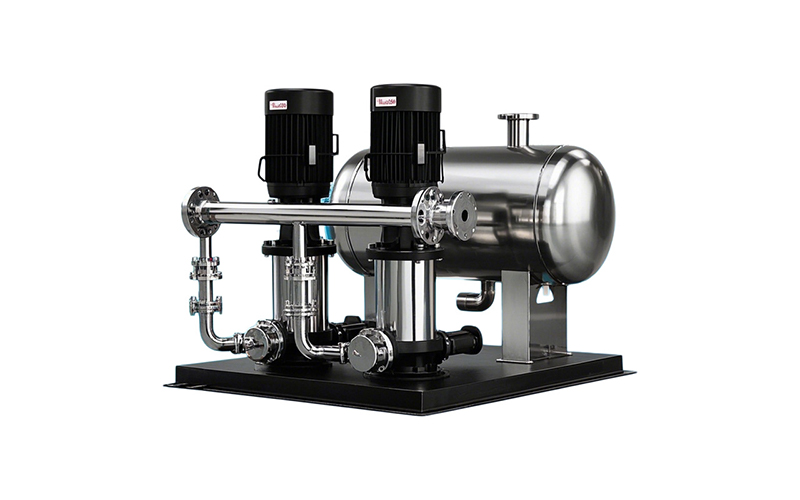
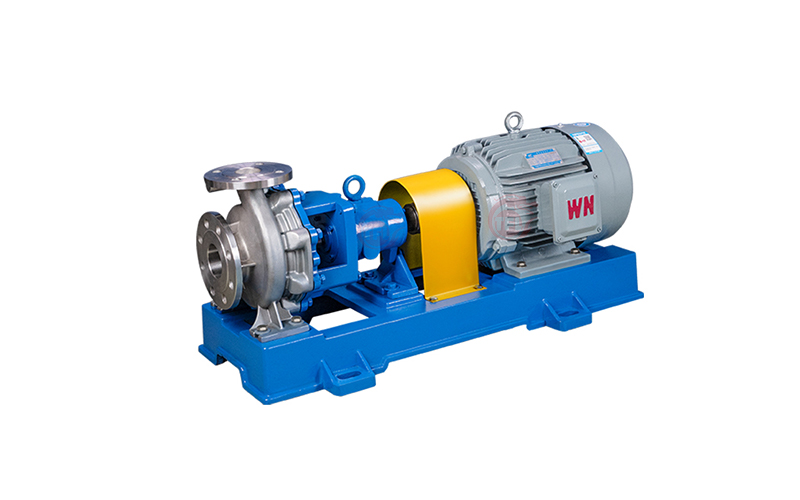
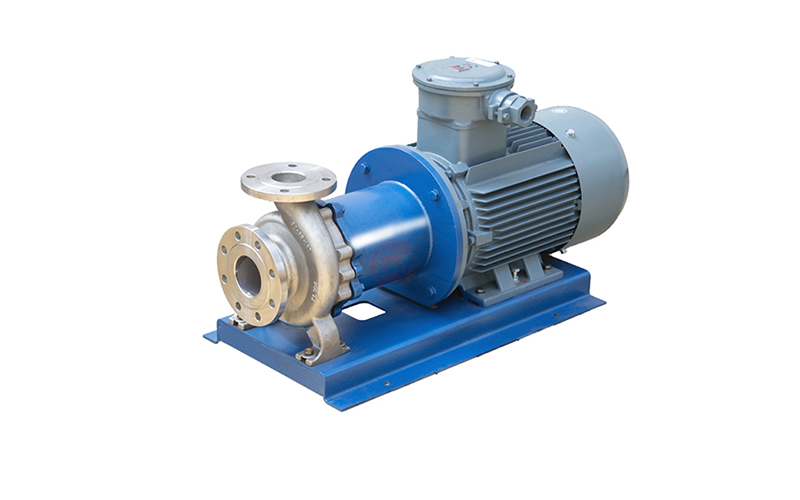
1. Start and operate
(1)Start the self-priming pump and pay attention to whether the direction of the pump shaft is correct.
(2)Pay attention to whether there are abnormal sounds and vibrations during rotation.
(3)Pay attention to the readings of the pressure gauge and vacuum gauge. After starting, when the readings of the pressure gauge and vacuum gauge fluctuate for a period of time and then indicate stability, it means that the pump has been filled with liquid and has entered normal infusion operation.
(4)Before the pump enters normal infusion operation, that is, during the self-priming process, special attention should be paid to the increase in water temperature in the pump. If this process is too long and the water temperature in the pump is too high, stop the pump and check the cause.
(5)If the temperature of the liquid in the pump is too high and it causes difficulty in self-priming, you can temporarily stop the pump, use the liquid in the discharge pipe to flow back into the pump or add liquid directly to the pump through the liquid storage port on the pump body to cool the liquid in the pump, and then start it.
(6)If the pump vibrates and makes noises during operation, it may be caused by cavitation. There are two reasons for cavitation: one is that the flow rate of the inlet pipe is too high, and the other is that the suction range is too high. When the flow rate is too high, the outlet control valve can be adjusted to increase the pressure gauge reading. If there is a blockage in the inlet pipe, it should be removed in time; if the suction range is too high, the installation height of the pump can be appropriately lowered.
(7)If the pump is stopped for some reason during operation and needs to be restarted, the outlet control valve should be slightly opened (not fully closed), which is conducive to the discharge of gas from the discharge port during self-priming and can ensure that the pump starts under a lighter load.
(8)Pay attention to check whether the pipeline system has leakage.
2. Stop the pump
(1)First, close the gate valve on the discharge pipe.
(2)Stop the pump.
(3)In cold seasons, drain the liquid in the pump body and the water in the cooling room of the bearing body to prevent freezing and cracking of the parts.