
Introduce
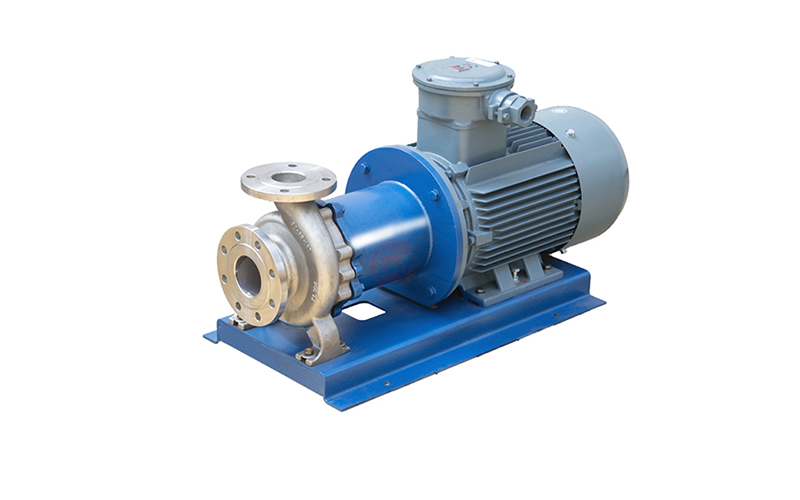
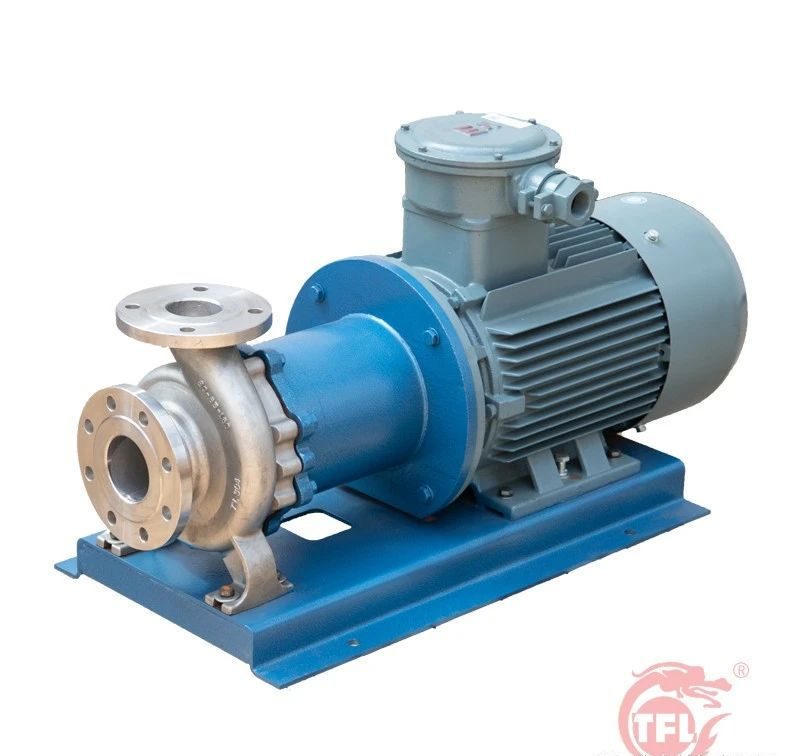
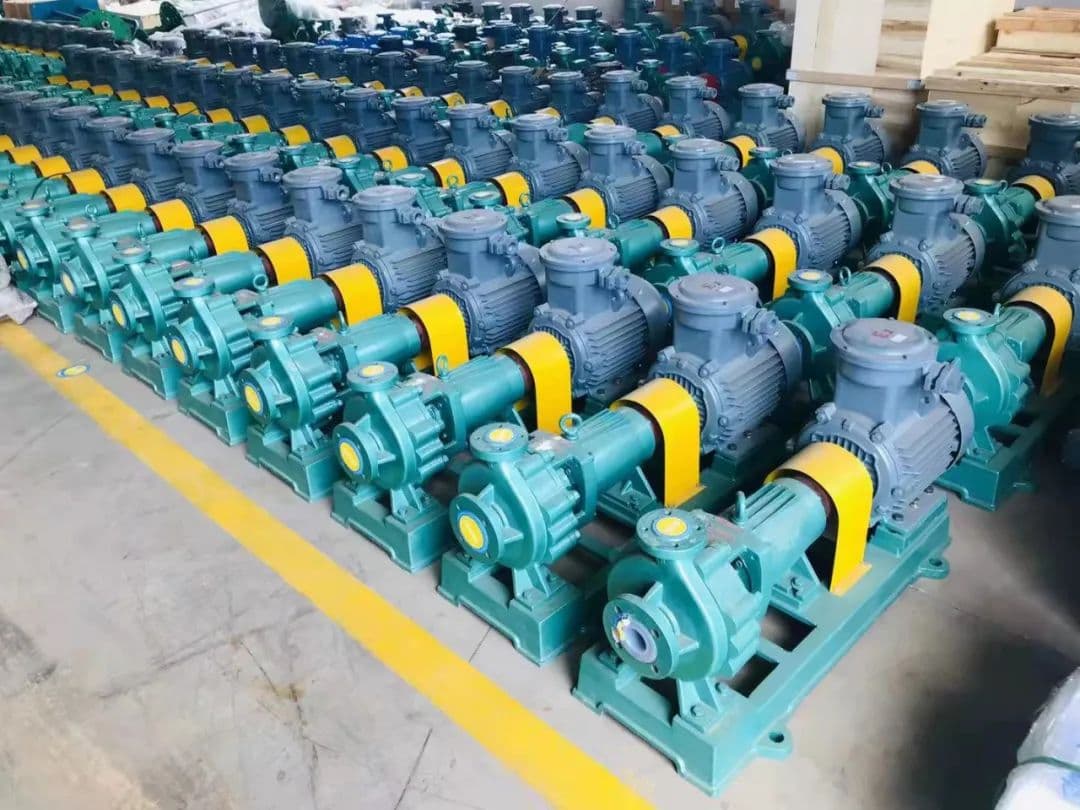
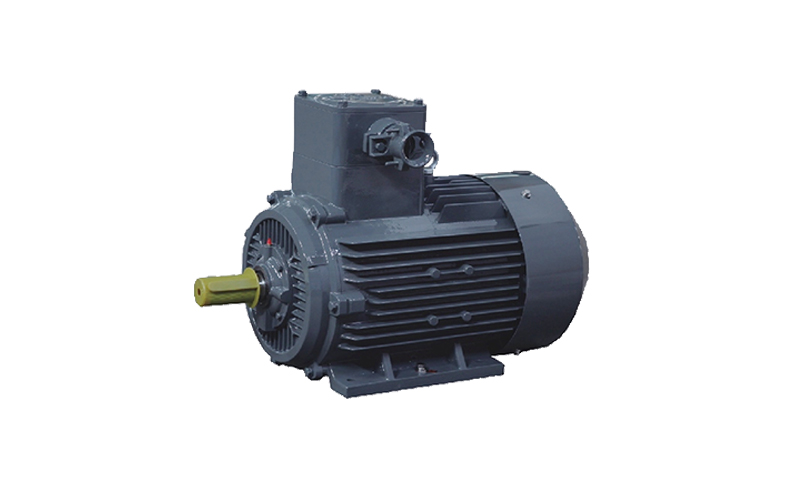
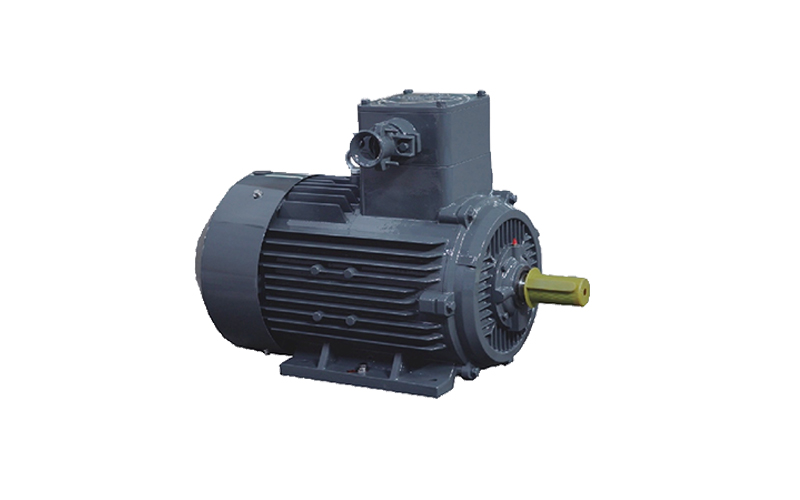
YBX5 series flameproof low-voltage three-phase asynchronous motorFrame number: H80-355
Capacity: 0.55~450kW
Number of poles: 2~10P
Voltage: 1140v and below
Comparative analysis of starting mode of pump motor
There are many ways for the motor to start, including direct start, autovacuum start, Y-Δ buck start, soft starter start, inverter start and so on. So what’s the difference between them?
1, full pressure direct start
In the case that the capacity and load of the network allow full voltage direct starting, the use of full voltage direct starting can be considered. The advantages are convenient control, simple maintenance, and relatively economic. Mainly used for the start of small power motor, from the point of view of energy saving, more than 11kW motor should not use this method.
2, auto decompression start
The use of autotransformer multi-tap decompression, not only to meet the needs of different load starting, but also to get a larger starting torque, is often used to start large capacity motor decompression starting mode. Its biggest advantage is that the starting torque is large, and when its winding tap is at 80%, the starting torque can reach 64% of the direct start. And the starting torque can be adjusted by tapping. It is still widely used today.
- Y-Δ starts
For the squirrel cage induction motor with triangular stator windings in normal operation, if the stator windings are connected into a star shape when starting, and then connected into a triangle after starting, the starting current can be reduced and its impact on the power grid can be reduced. This starting mode is called star triangle decompression starting, or simply star triangle starting (Y-Δ starting).
When the star triangle is used to start, the starting current is only 1/3 of the original triangle connection method. If the starting current of direct starting is measured by 6 ~ 7Ie, the starting current is only 2 ~ 2.3 times when the star triangle is started. This means that when the star triangle is used to start, the starting torque is also reduced to 1/3 of the original when the triangle connection is directly started.
Suitable for no-load or light-load starting occasions. And compared with any other vacuum starter, its structure is the simplest, the price is also the cheapest. In addition, the star triangle starting mode has the advantage that when the load is light, the motor can be run under the star connection. At this time, the rated torque can be matched with the load, which can improve the efficiency of the motor and thus save power consumption.
- Soft starter
This is the use of thyristor phase-shift voltage regulation principle to achieve voltage regulation of the motor starting, mainly used for motor starting control, good starting effect but high cost. Because of the use of thyristor components, thyristor working harmonic interference is large, has a certain impact on the power grid.
In addition, fluctuations in the power grid will also affect the conduction of thyristor components, especially when there are multiple thyristor devices in the same power grid. Therefore, the failure rate of thyristor components is higher, because it involves power electronics technology, so the requirements for maintenance technicians are also higher.
- Frequency converter
Inverter is the motor control device with the highest technical content, the most complete control function and the best control effect in the field of modern motor control. It adjusts the speed and torque of the motor by changing the frequency of the power grid. Because it involves power electronics technology and microcomputer technology, the cost is high and the requirements for maintenance technicians are high, so it is mainly used in areas where speed regulation is required and speed control is required.
Pump motor knowledge
1.A motor is a device that converts mechanical energy into electrical energy (or vice versa) or changes one AC voltage level to another. From the perspective of energy conversion, the motor can be divided into transformers, motors, generators and other three categories.
2.The formula for calculating the electric Angle a1 of the slot distance is a1 = p×360o/Z. It can be seen that the electrical Angle a1 is equal to p times of the mechanical Angle am.
3.The principle of reduction of transformer winding is: before and after reduction, ensure that the magnetomotive force of the winding is unchanged, and ensure that the active and reactive power of the winding is unchanged.
4.The efficiency characteristic curve of the transformer is characterized by a maximum value, that is, when the variable loss is equal to the constant loss, the maximum value is reached.
5.The no-load test of the transformer is usually applied voltage and measured on the low voltage side. The short-circuit test of transformer usually applies voltage to the high-voltage side and measures it.
6.When the transformer runs in parallel, the conditions for no-load and no circulation are: the ratio is the same and the connection group number is the same.
7.When the transformer runs in parallel, the load distribution principle is: the per unit value of the transformer load current is inversely proportional to the per unit value of the short-circuit impedance. The condition that the capacity of the transformer can be fully utilized in parallel operation is that the per unit value of the short-circuit impedance should be equal, and their impedance angles should also be equal.