
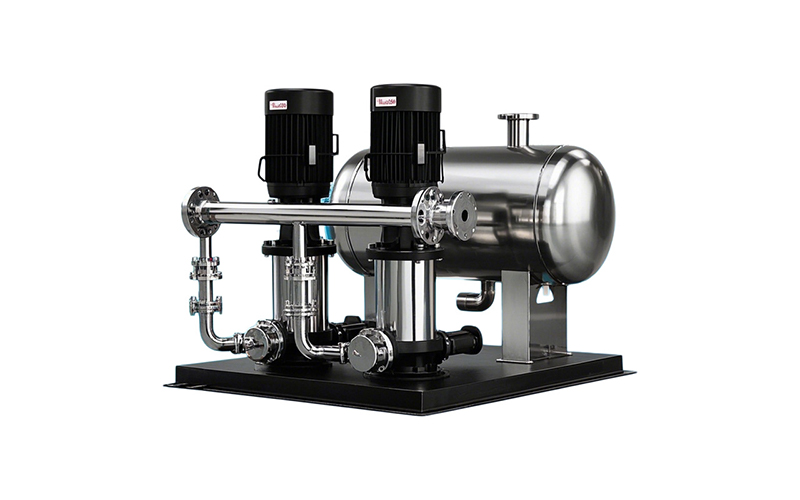
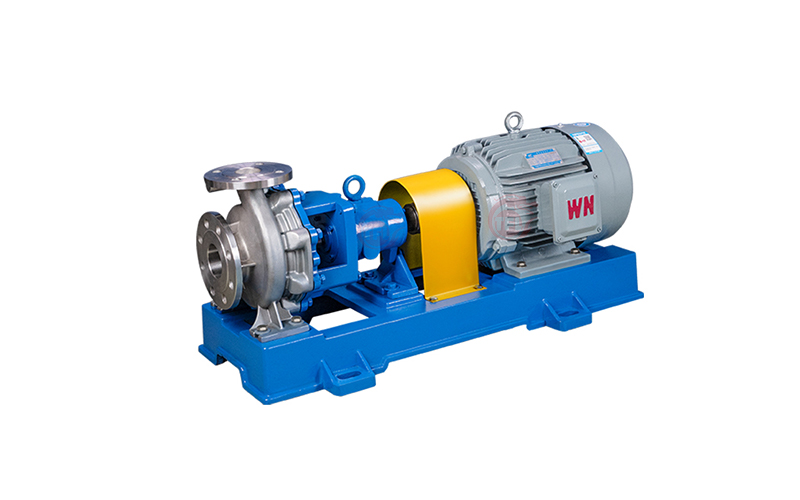
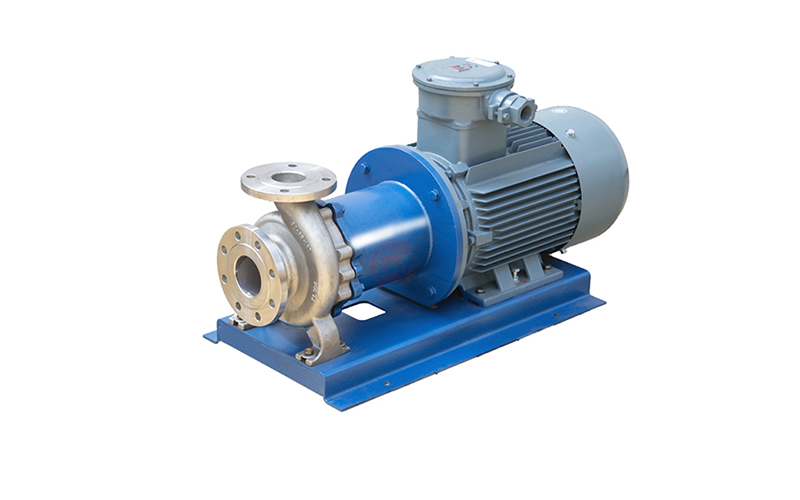
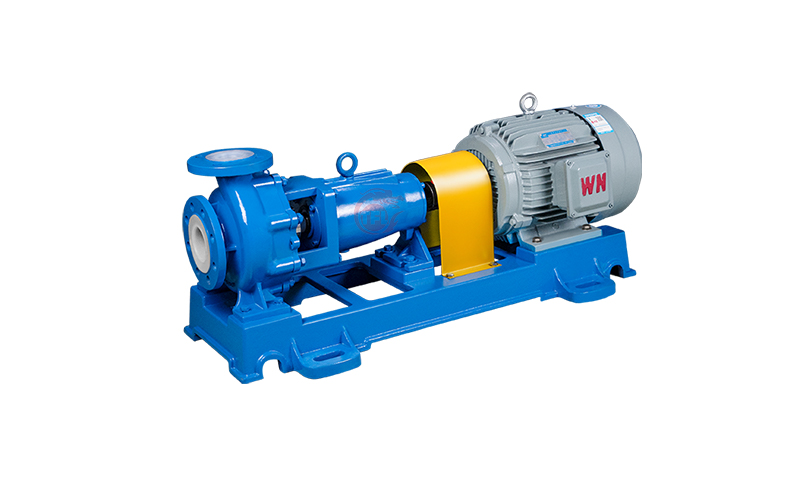
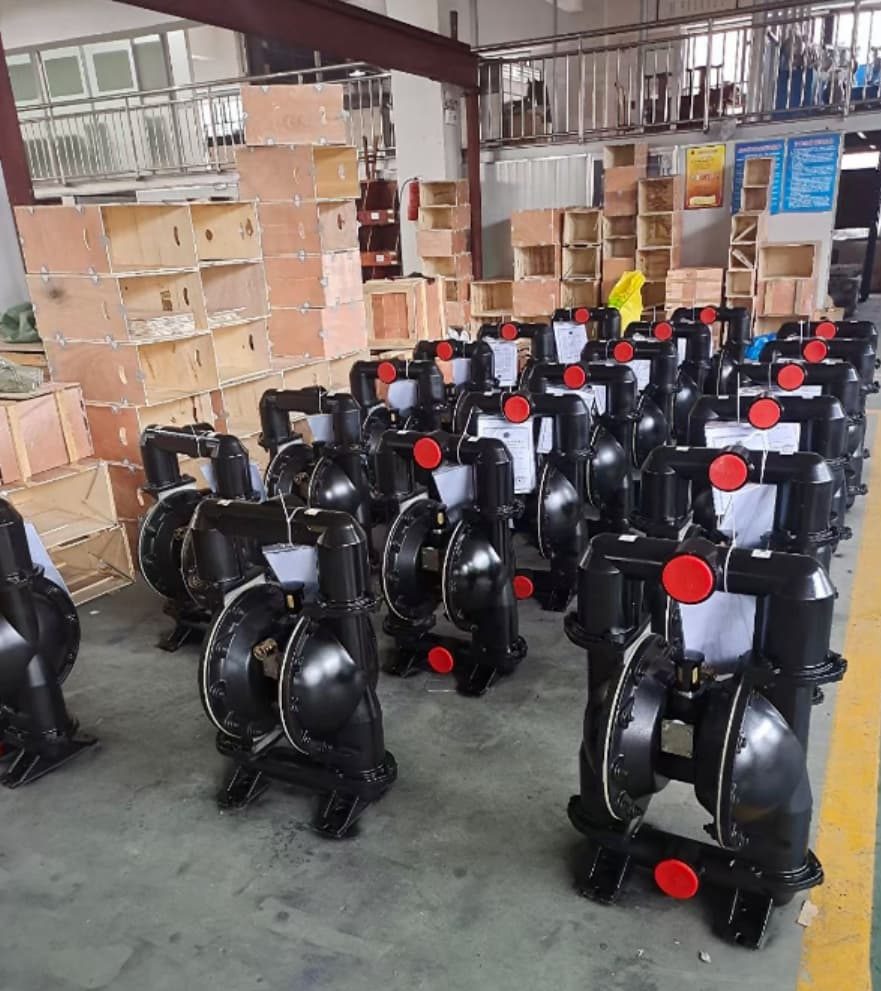
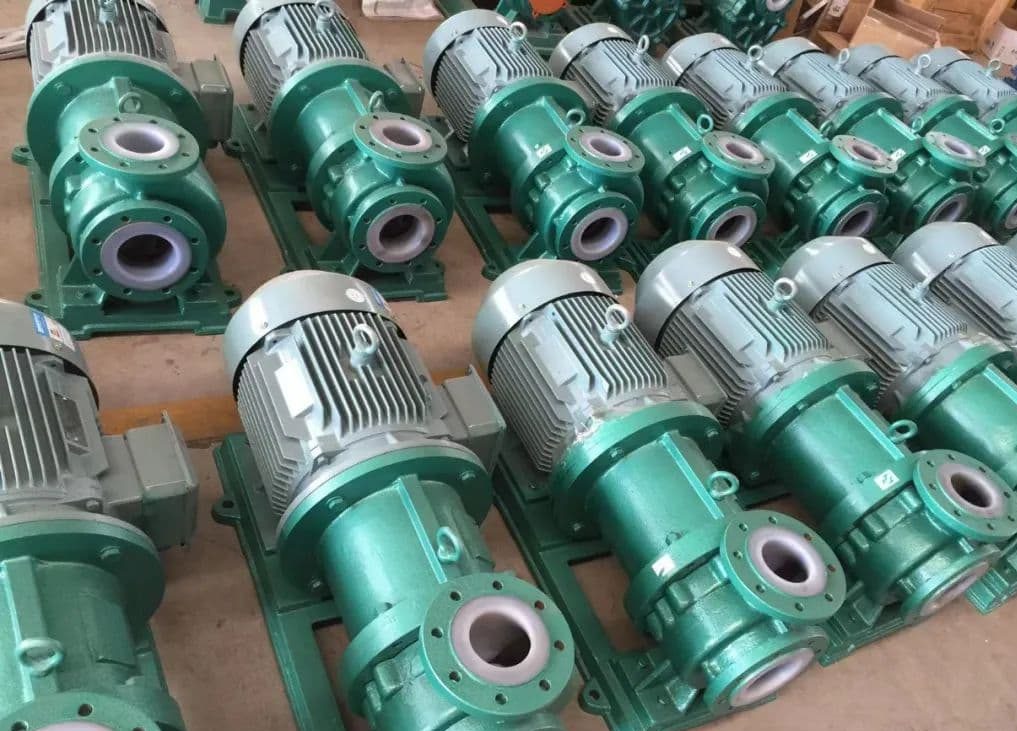
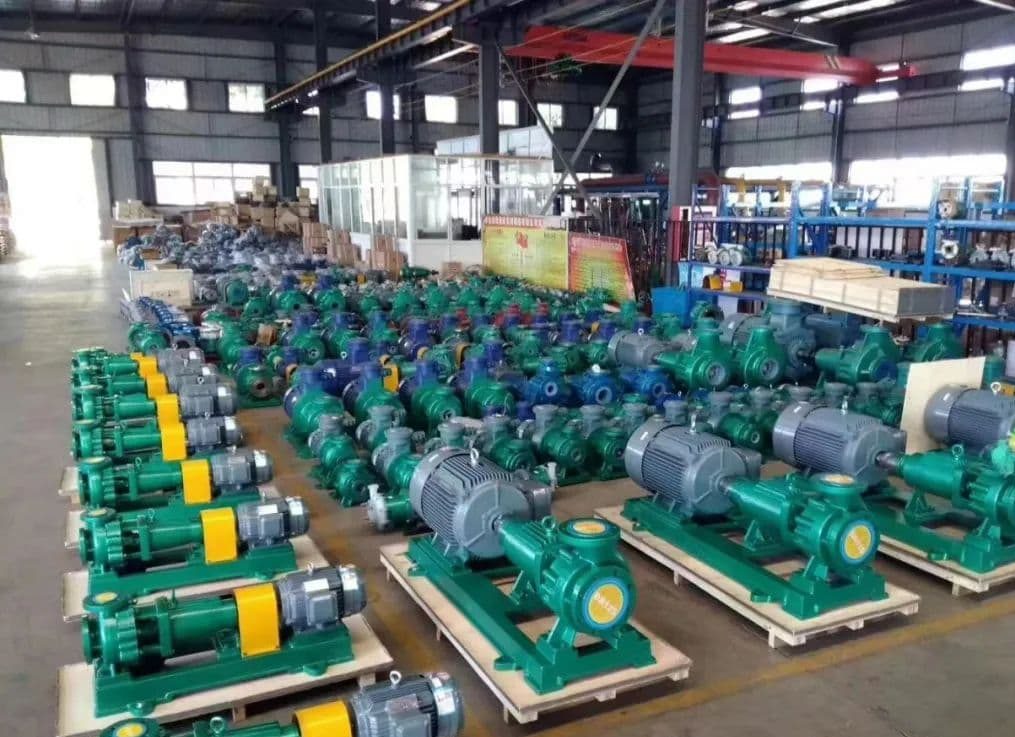
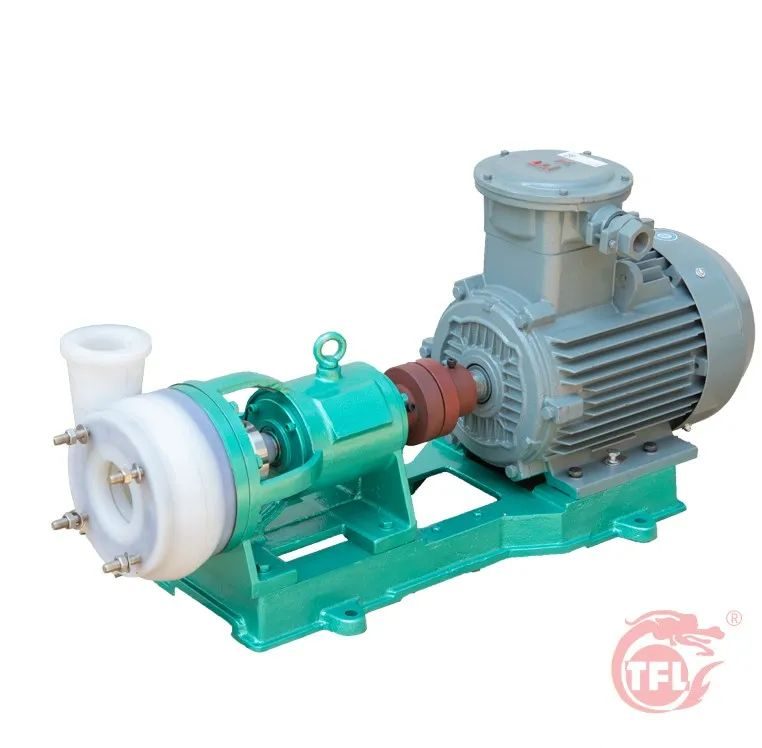
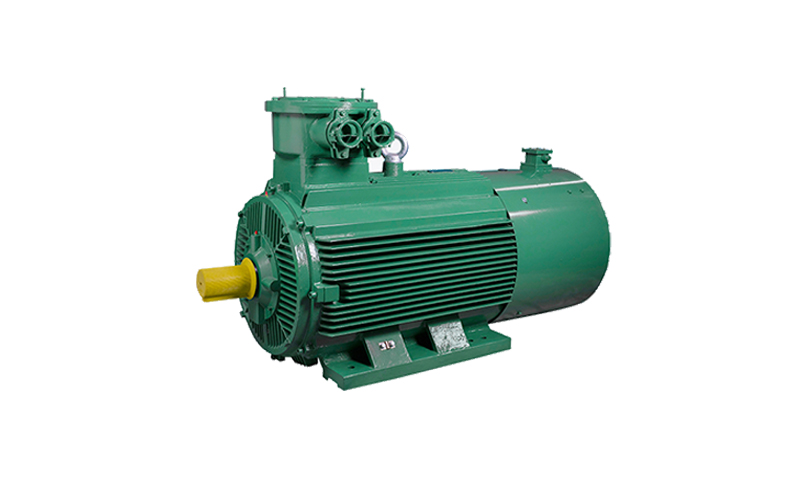
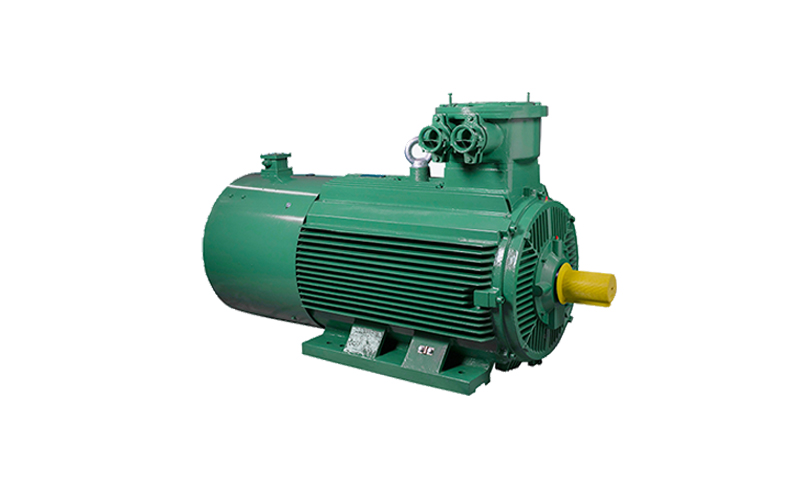
YBBP series variable frequency speed regulating flameproof low voltage three-phase asynchronous motor
Frame number: H80-500
Capacity: 0.75~1120kW
Number of poles: 2~10P
Voltage: 1140v and below
Frequency range: 5~100HZ
Pump motor selection and selection basis
First, the main basis for pump selection of motor
1.1 Select the type of motor according to the mechanical load nature and the requirements of the production process for starting, braking, running and speed regulation of the motor.
1.2 According to the requirements of load torque, speed variation range and starting frequency, consider the temperature rise limit of the motor, overload capacity and starting torque, rationally select the motor capacity, and determine the cooling and ventilation mode.
1.3 According to the environmental conditions of the use site, such as temperature, humidity, dust, rain, gas, corrosion and flammable and explosive gases, considering the necessary protection methods and the structure of the motor, determine the explosion-proof level and protection level of the motor.
1.4 Determine the voltage level of the motor according to the voltage standard of the enterprise power grid and the requirements of the power factor.
1.5 According to the highest speed of the production machinery and the performance requirements of the transition process of the electric drive speed regulation system, as well as the complexity of the mechanical deceleration, select the rated speed of the motor.
1.6 In addition, the selection of the motor must also meet the requirements of energy conservation, considering the operation reliability, availability, the versatility of spare parts, the difficulty of installation and maintenance, product price, construction costs, operation and maintenance costs.
Second, the choice of pump motor type
The choice of motor type should be considered from the perspective of load characteristics and energy saving. The load characteristics of various types of pumps are as follows: the positive displacement pump, including the reciprocating pump, has a constant torque characteristic of “speed and torque”; Centrifugal pump and other vane pump is a square torque characteristic, that is, its torque increases with the increase of speed in a square relationship.
The total torque of the pump is mainly the sum of the friction resistance torque and the hydraulic torque. In order to reduce the negative torque during the starting process, the centrifugal pump should be started with the outlet valve closed, the axial flow pump should be started with the outlet valve open, and the reciprocating pump is best started by bypass mode.
The pump with constant torque characteristics should choose a squirrel cage type motor with hard mechanical characteristics. The pump with the square torque characteristic without speed regulation requirements can choose the ordinary squirrel cage motor, of which the synchronous motor with larger power and lower speed can be selected. The pump with speed regulation requirements can choose the variable pole number, variable frequency squirrel cage motor or cascade speed wound motor according to its speed regulation range and smoothness of speed regulation.
For large reciprocating pumps, centrifugal pumps, such as harsh starting conditions, can consider winding, double cage or deep groove motor.
According to the range of power and speed required by the pump, the type of motor can be preliminarily determined by referring to the following figure. As can be seen from the figure, when the speed is lower than 375r/min or the ratio of power (kW) to speed (r/min) is slightly greater than 1, the synchronous motor is better than the squirrel cage asynchronous motor, because the cost of the synchronous motor is higher, but usually can be compensated from its higher power factor and efficiency.
Third, the choice of motor speed
The motor driving the constant speed pump, its rated speed should correspond to the operating speed of the pump, need to pass the fixed speed ratio transmission device (fixed speed ratio gearbox), must consider the transmission ratio of the variable speed device.
For pumps that need to be regulated, the maximum speed of the motor should be compatible with the maximum operating speed of the pump.
Direct drive centrifugal pump, rotor pump motor, generally used synchronous speed of 3000r/min, 1500r/min motor (there are 3600r/min, 1800r/min motor).
Fourth, the choice of power supply
4.1 Selection of voltage
When the total capacity of the electrical equipment is more than 250KW or the transformer capacity is more than 160KVA, it is appropriate to supply power at 10(6)kV; When the total capacity of the electrical equipment is less than 250kW or the transformer capacity is less than 160kVA, it can be powered by low voltage.
4.2 Frequency selection
The frequency is related to the speed of the motor, and the frequency fluctuation has an effect on the operating performance of the motor. Generally, the deviation between the actual power supply frequency and the rated frequency should not be greater than ±1%. China’s power supply frequency is 50Hz(some areas abroad, such as the United States, the power supply frequency is 60Hz).
Five, the impact of environmental degree and altitude
When the motor is used at an altitude of more than 1000m (such as parts of Xinjiang, Gansu, Ningxia, Yunnan, Guizhou) or when the ambient temperature exceeds 40 ° C and the relative humidity exceeds 95%, it should be indicated at the time of ordering, and the reduction of power should be calculated to meet the requirements of use.
5.2 Effects of altitude
When the altitude is more than 1000m, the compensation value of the ambient temperature reduction required for every 100m increase shall be converted to 1% of the temperature rise limit. If the decrease in the maximum ambient temperature is insufficient to compensate for the decrease in the cooling effect caused by the increase in altitude. The rated output power of the motor should be corrected.
Energy saving of pump and motor
To do a good job of pump and motor energy saving work, we need to pay attention to the following aspects:
1. Safety and reliability of operation
Pump and motor is the power of various medium circulation and transmission in the factory, the safety of their work directly affects the safety and reliability of the entire unit, and the abnormal shutdown of the unit often causes significant economic losses, so to improve the reliability of the unit, the design and selection of the pump and motor are usually necessary to sacrifice efficiency to improve the reliability of the pump and motor. Under the premise of ensuring the safety of the unit, improving the economic performance of the pump and motor is the most important task.
2. Reasonable selection
(1) Correctly select the working parameters and margin of the pump and motor, not only to ensure that the working parameters have enough margin, but also to prevent too high parameters resulting in too much reduction in operating efficiency.
(2) The selection of efficient and energy-saving products is the premise of improving efficiency. Therefore, reasonable selection requires understanding the performance and specifications of the pump and motor product series, as well as the evaluation of the manufacturer’s credit and product quality.
(3) Select the appropriate prime mover, including the reasonable determination of the type of prime mover and the selection of the prime mover with high operating efficiency, while determining the prime mover margin to ensure the need for operating safety, but not to make the prime mover too much deviation from the design condition.
3. Choose the most appropriate adjustment method
According to the characteristics of the load change of the unit, the reasonable choice of pump adjustment mode, the economic performance of the unit with base load is the best, the economic performance of the axial guide and the two-speed motor is second, and the economy of the frequency conversion speed regulation is the worst. Because the upfront investment and maintenance costs of equipment will decrease with the development and progress of technology, the results of economic analysis will vary with The Times.
Improve or transform the original pump and motor
In order to make the original pump and motor to achieve the purpose of energy saving, it is necessary to transform or improve all aspects of its low efficiency on the basis of economic analysis. The work in this area mainly includes the following aspects:
(1) Select new products with reliable product quality and high efficiency, eliminate and replace those pumps or motors with backward technology, low performance and low efficiency.
(2) Select more efficient adjustment and operation modes for the operation of pumps and motors.
(3) By transforming the pump and motor to eliminate the mismatch of the rest of the system, including re-designing the impeller after calculation, removing the first-stage impeller, cutting or lengthening the blade and other means to change the original parameters, so as to make the pump head and flow better meet the needs of the unit operation.
(4) The transformation of the pipeline system, including the root cure of the ash scale blockage, leakage and other problems in the pipeline, as far as possible to reduce the resistance of the pipeline, so that the flow rate into the pump and the motor inlet is evenly distributed.
5. Ensure the installation and maintenance quality of pump and motor
Improving the installation and maintenance quality of pump and motor has obvious influence on the economy of its operation. On the one hand, according to the requirements of the reasonable determination of static and dynamic clearance, not only reduce the amount of leakage and can not produce friction, and repair due to wear or cavitation and other reasons to destroy the flow parts of the profile, keep the impeller disk and the flow channel smooth, these are factors that affect the efficiency of the pump; On the other hand, by reasonably determining the maintenance period and improving the maintenance quality, the service life of the equipment can be extended.
6. Adopt an economical mode of operation
Keeping the pump and motor operating conditions in the efficient zone is the key to economic operation. First, operators should master the characteristics and status quo of different types of pumps and motors, and use as much equipment and adjustment methods with good economic performance as possible. Second, operators should keep in mind the efficient operating parameters of various types of pumps and motors. In the case of multiple parallel operation, the operation of the pump and the fan and the number of spare units can be adjusted in time. Third, according to the conditions of use, the number of pumps and motors can be determined by economic analysis of the system.
Pumps and motors
The difference between pump and motor:
- Different nature
Pump: A pump is a machine that transports or pressurizes fluid. It transfers the mechanical energy or other external energy of the prime mover to the liquid, making the liquid energy increase.
Electric machinery: Electric machinery (commonly known as “motor”) is an electromagnetic device that converts or transmits electrical energy according to the law of electromagnetic induction.
- Different functions
Pump: pump is mainly used to transport water, oil, acid lye, emulsion, suspension emulsion and liquid metal and other liquids, but also to transport liquid, gas mixture and liquid containing suspended solids.
Motor: The motor in the circuit is expressed by the letter M (the old standard is D), its main role is to produce driving torque, as a power source for electrical appliances or various machinery, the generator in the circuit is expressed by the letter G, its main role is to use mechanical energy to convert into electrical energy.
How is the motor hot?
- Motor heat, resulting in hot hands
- Because the motor will produce current and electromagnetic induction when it is working, these energies will be converted into heat, making the motor surface temperature rise, resulting in hot hands
- If the motor is too hot, it may be that the motor load is too large or the motor itself is damaged, and it needs to be stopped and repaired in time to ensure the safety of use.