
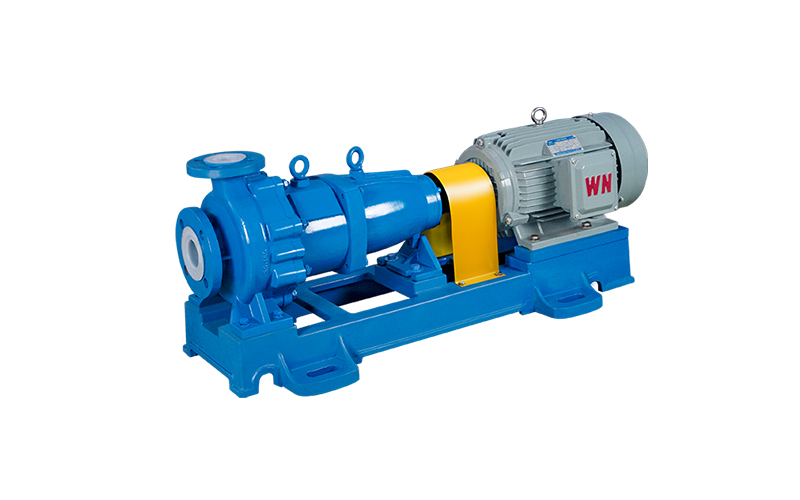
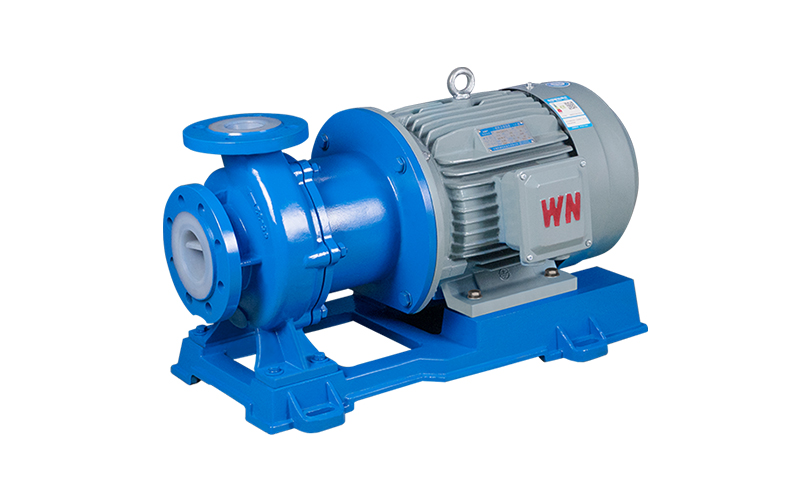
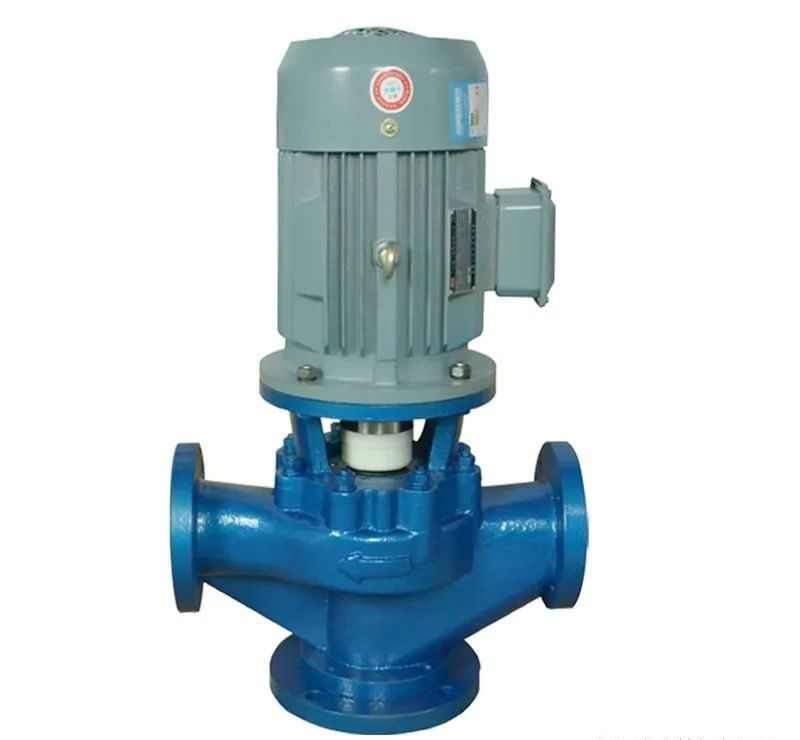
Introduction
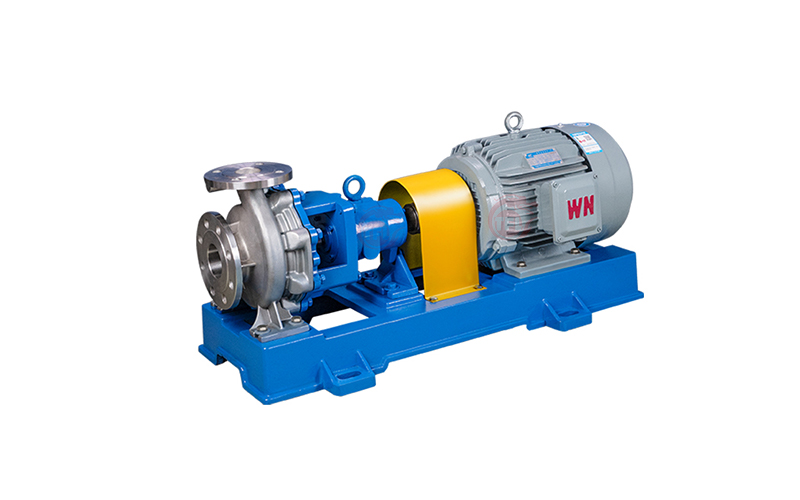
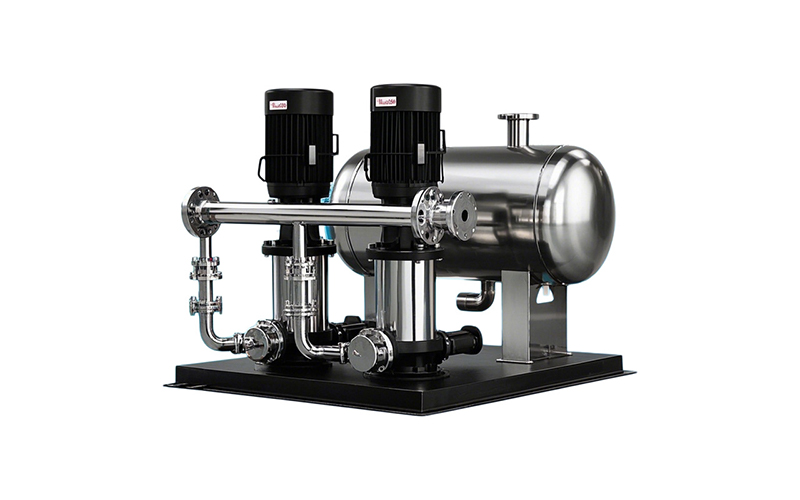
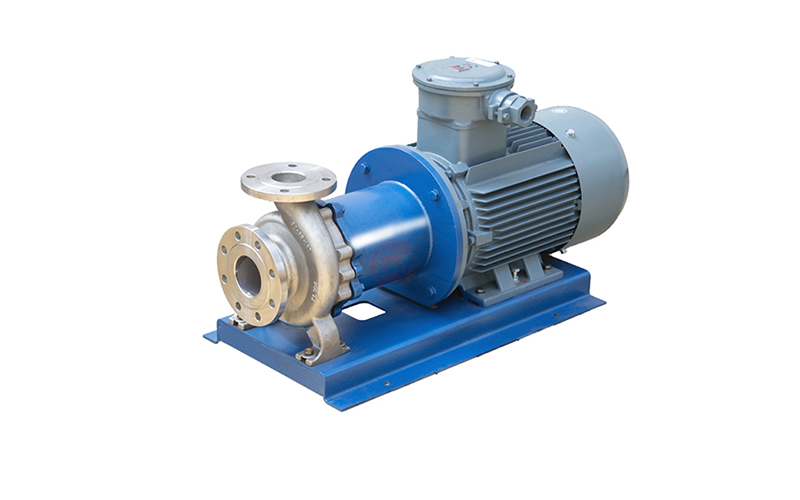
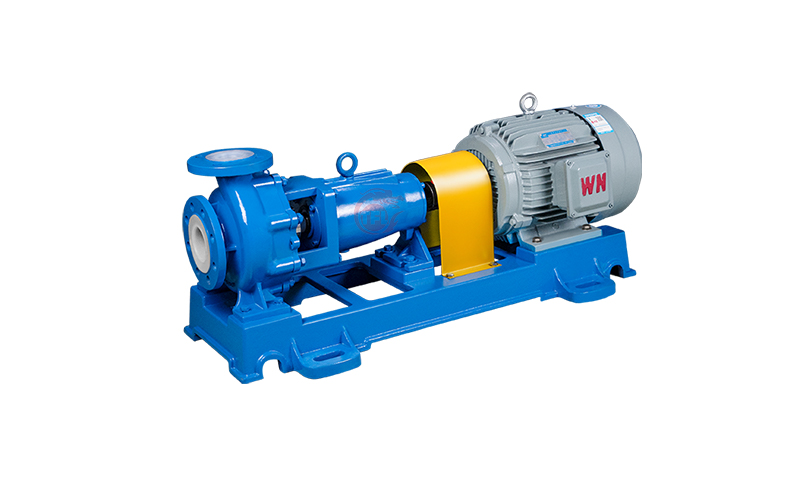
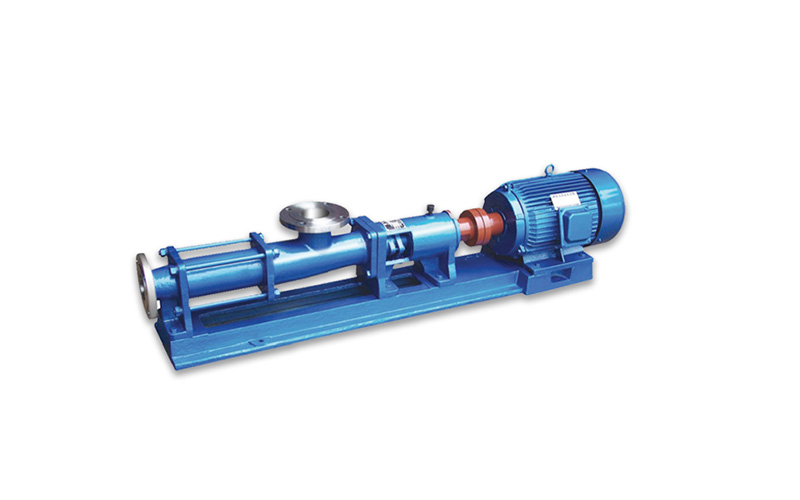
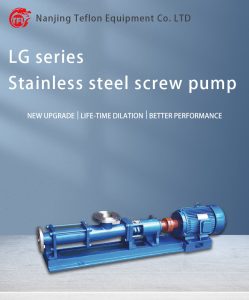
Stainless steel single screw pump is a single screw transport pump, its main working parts are the eccentric helix screw (called rotor) and the inner surface of the double helix screw bushing (called stator). The working principle is that when the motor drives the pump shaft to rotate, the screw on the one hand rotates around its own axis, on the other hand, it rolls along the inner surface of the bushing, so as to form the seal chamber of the pump. Each time the screw turns, the liquid in the sealing chamber advances a pitch, and with the continuous rotation of the screw, the liquid spirals from one sealing chamber to another sealing chamber, and finally extrudes the pump body. Screw pump is a new type of liquid conveying machinery, with simple structure, safe and reliable work, easy to use and maintenance, liquid continuous uniform, stable pressure and so on. The utility model relates to a pump that uses the rotation of a screw to suck and drain liquids, which is best suited to suck and drain viscous liquids.
Operating principle
The LG screw pump uses the rotation of the screw to suck and drain the liquid. Due to the mutual engagement of the screws and the close coordination between the screws and the inner wall of the liner cylinder, between the suction inlet and the discharge outlet of the pump, it will be separated into one or more sealed Spaces. With the rotation and engagement of the screw, these sealed Spaces are constantly formed at the suction end of the pump, the liquid in the suction chamber is sealed into it, and the self-suction chamber is continuously pushed along the screw axis to the discharge end, and the liquid in the enclosed space is continuously discharged, just like a nut is constantly pushed forward when the screw is rotated, which is the stainless steel single-screw pump. After the liquid is sucked into the screw thread and the sealing space surrounded by the pump shell, when the active screw rotation, the screw pump sealing volume under the extrusion of the screw pump pressure, and along the axial movement. Because the screw is rotating at a constant speed, the liquid flow rate is also uniform.
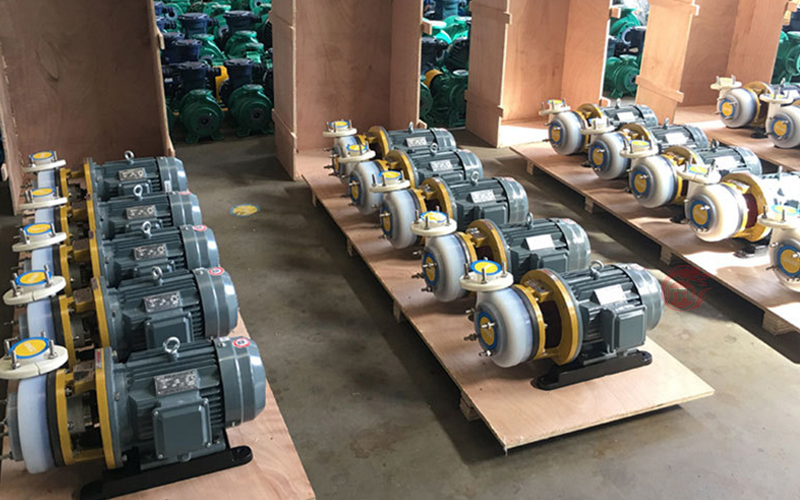
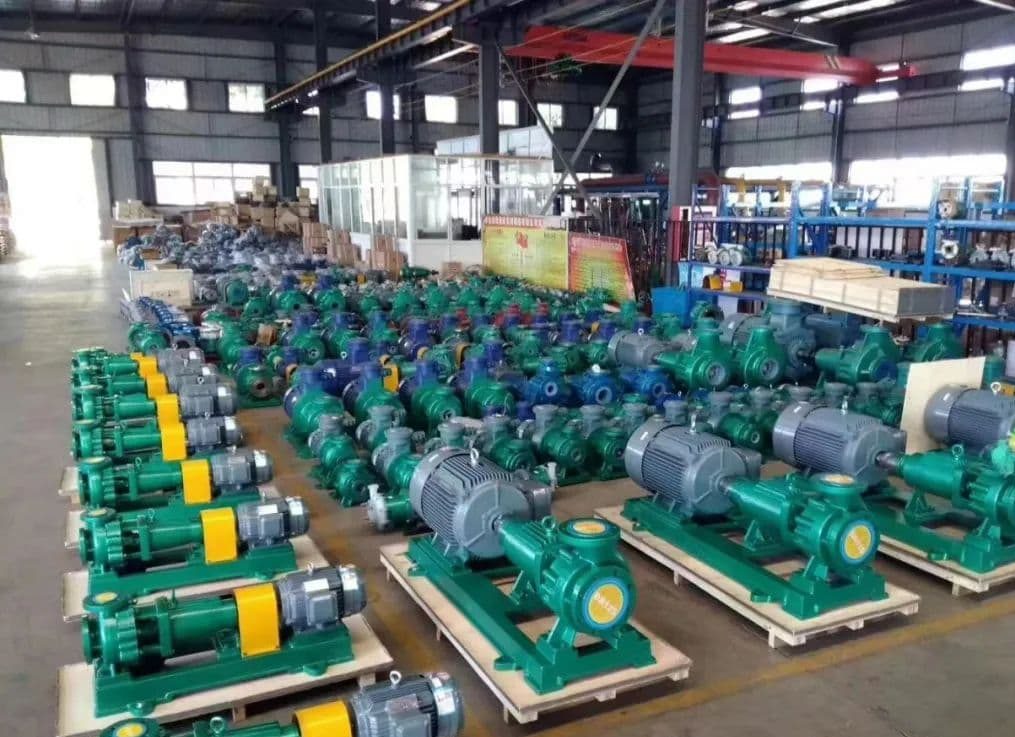
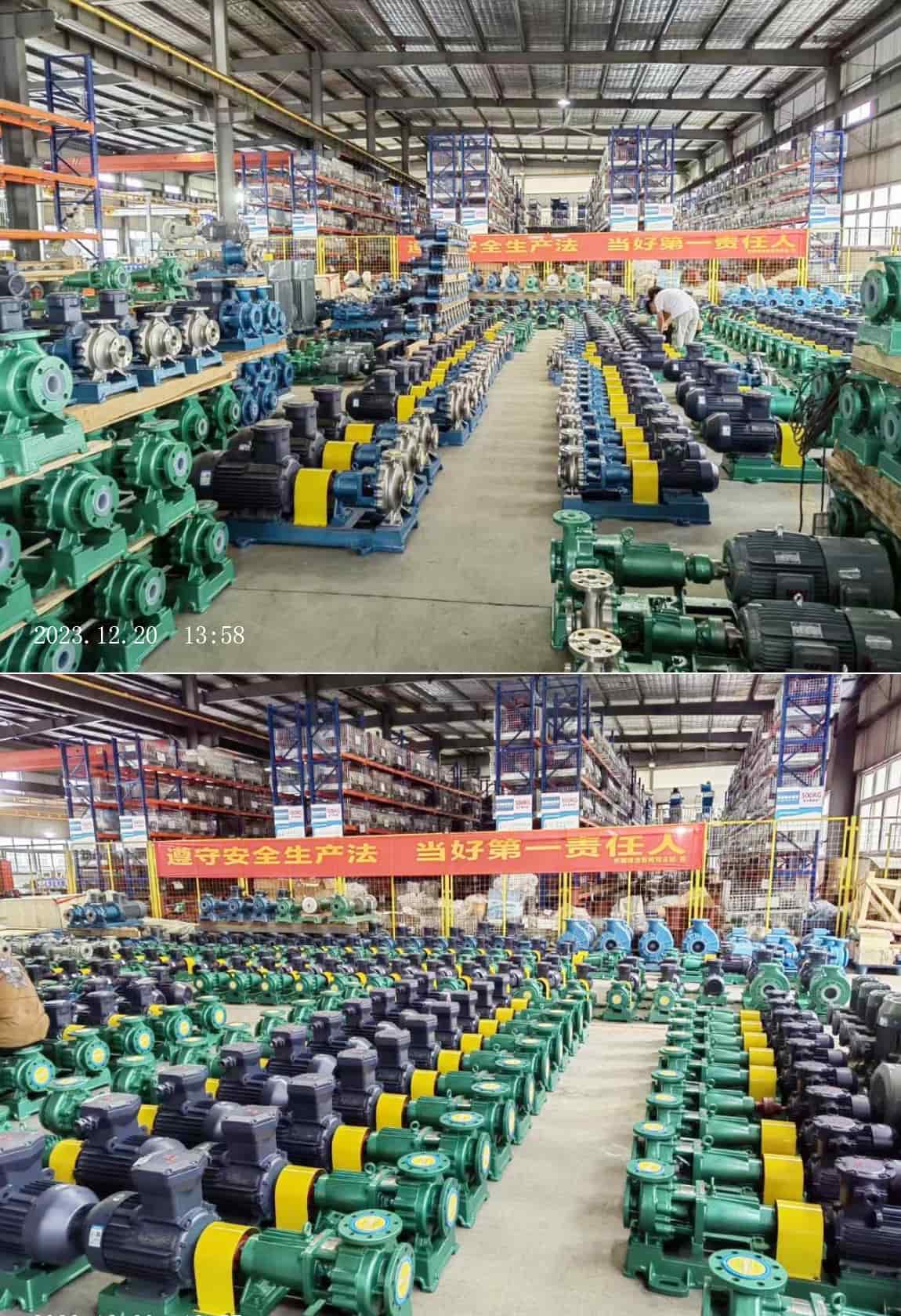
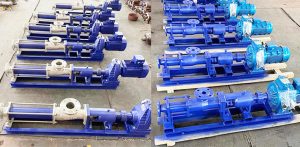
Product real show
Advantages of screw pumps
Advantages of screw pumps
The basic principle of a screw pump: A screw pump is a volumetric rotary pump that mainly relies on the volume change and movement of the meshing space formed between the pump body and the screw to transport liquid or increase the pressure of the liquid in the rotary pump, as shown in the above figure. According to the number of screws, screw pumps are divided into single screw pumps, double screw pumps, and triple screw pumps. When the active screw rotates, it drives the driven screw that meshes with it to rotate together. The meshing space volume of the screw at one end of the suction chamber gradually increases, while the pressure decreases. The liquid enters the meshing space volume under the action of pressure difference. When the volume reaches its maximum value and forms a sealing chamber, the liquid continuously moves axially in each sealing chamber until it is discharged from one end of the chamber. At this point, the meshing space volume of the screw at one end of the discharge chamber gradually decreases, and the liquid is discharged. The working principle of a screw pump is similar to that of a gear pump, except that the screw is used instead of the gear in structure. There are two types of pumps: single suction and double suction, but single screw pumps only have single suction. The pump must be equipped with a safety valve (without the need for a single screw pump) to prevent damage to the pump or prime mover due to reasons such as blocked discharge pipes, which may cause the outlet pressure of the pump to exceed the allowable value.
Single screw pump: A single screw pump is a type of single screw conveying pump, whose main working components are an eccentric spiral screw (referred to as the rotor) and a spiral liner with double spiral surfaces on the inner surface (referred to as the stator). The working principle is that when the electric motor drives the pump shaft to rotate, the screw rotates around its own axis on one hand, and rolls along the inner surface of the sleeve on the other hand, forming a sealing chamber of the pump. Whenever the screw rotates, the liquid in the sealing chamber will push forward by one pitch. As the screw continues to rotate, the liquid is pressurized in a spiral shape from one sealing chamber to another, and finally squeezed out of the pump body.
Twin screw pump: A twin screw pump is an externally engaged screw pump that uses two mutually engaged but non-contact screws to pump liquid. As a double suction non enclosed twin screw pump, the active screw that extends out of the pump at one end is driven by the prime mover. The thread direction of the active screw and the driven screw are different, and the screw is tightly connected to the pump body. The driven screw is driven by the active screw through a synchronous gear. The suction chamber inside the pump should be tightly separated from the discharge chamber. Therefore, the outer surface of the pump body and screw, as well as the gap between the screw and screw, should be as small as possible. At the same time, a sealing chamber should be formed between the screw and the pump body, and between the screw and the screw to ensure sealing, otherwise liquid may flow back from the gap.
advantage:
(1) Efficient: The screw pump has high conveying efficiency, which can ensure the continuity of the conveying process and reduce conveying time.
(2) Low energy consumption: Screw pumps have lower energy consumption because they do not have complex valve and pipeline structures inside, reducing fluid resistance.
(3) Low noise: The screw pump produces very low noise during operation, making it suitable for use in quiet environments.
(4) High reliability: The screw pump has a simple structure, fewer components, and high reliability.