
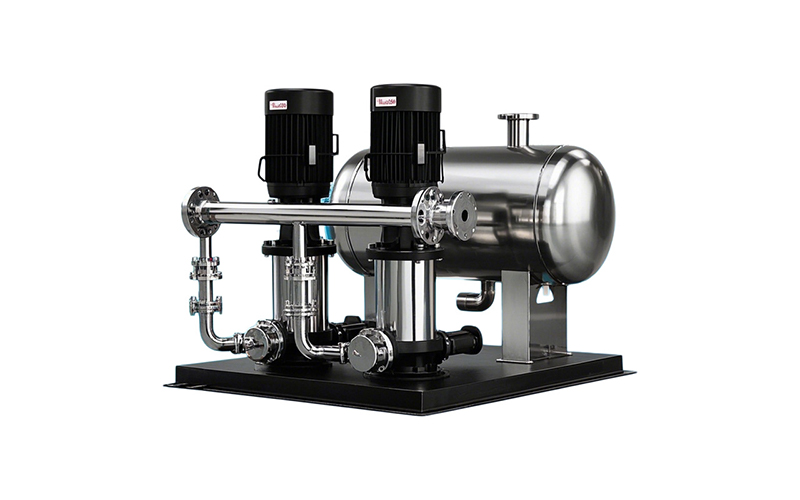
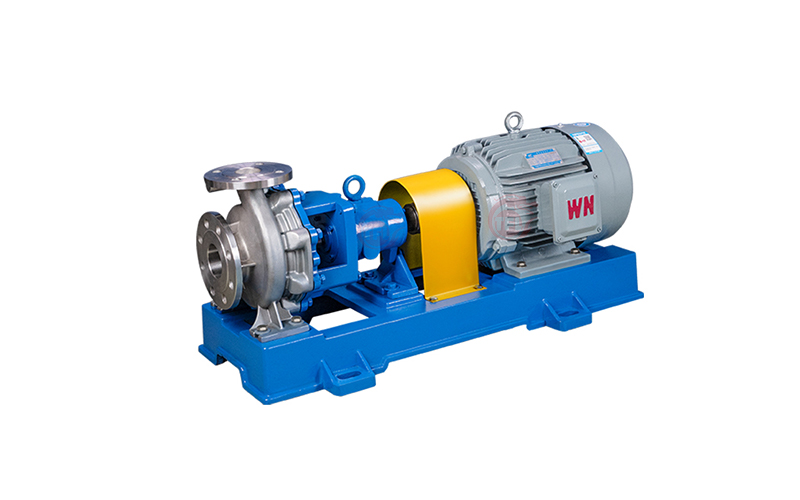
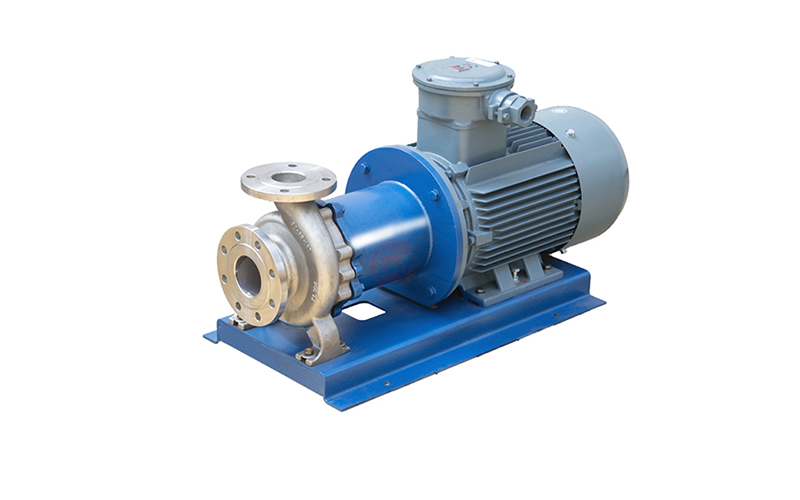
Basic data of pump selection:
1, the characteristics of the medium: medium name, specific gravity, viscosity, corrosion, toxicity, etc.
2, the particle diameter and content of the solid contained in the medium.
3, medium temperature: (℃)
4, the required flow of general industrial pumps in the process can ignore the leakage in the pipeline system, but must consider the impact of process changes on the flow. If agricultural pumps use open channels to transport water, they must also consider the amount of leakage and evaporation.
5, pressure: suction tank pressure, drainage tank pressure, pressure drop in the pipeline system (head loss).
6, Pipeline system data (pipe diameter, length, type and number of pipe accessories, geometric elevation from suction pool to pressure pool, etc.).
7, pump material and sealing form
8, according to the flow, head to choose the appropriate use of the pump range and structure
9, according to the installation site to choose the pump form (vertical, horizontal, transmission form)
10, according to the power supply, choose the driving power
11, choose the structure of the pump according to the use (clean water pump, fire pump, sewage pump, etc.)
Flow head of pump selection
Determination of flow:
1, if the production process has given a small, normal, large flow, should be considered according to the large flow.
2, if only the normal flow rate is given in the production process, a certain margin should be considered. For large flow and low head pumps with ns>100, the flow margin is 5%, for small flow and high head pumps with ns<50, the flow margin is 10%, for pumps with 50≤ns≤100, the flow margin is also 5%, and for pumps with poor quality and poor operating conditions, the flow margin should be 10%.
3, if the basic data only to the weight flow, should be converted into volume flow.
Determination of head:
1. The head required by the device system is another important performance data of the pump selection, which is generally selected with an enlarged head of 5%-10%.