
Company profile
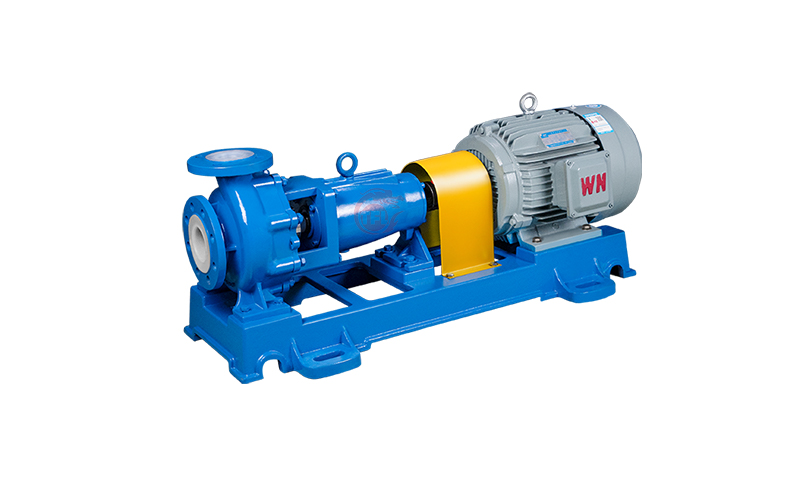
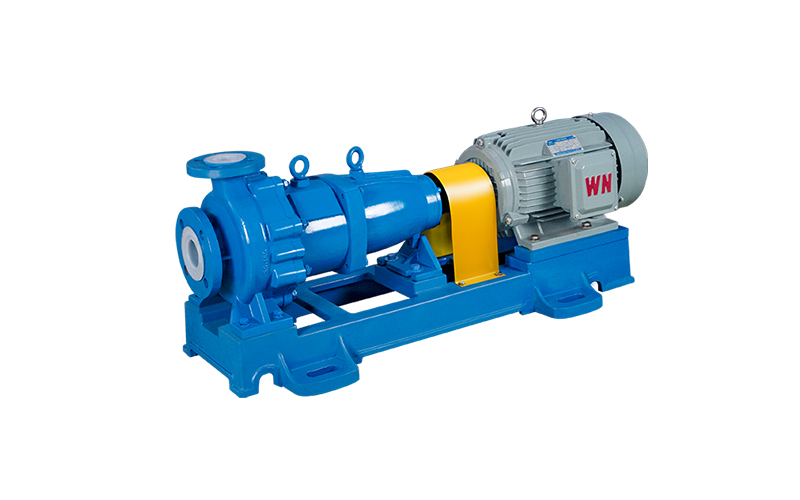
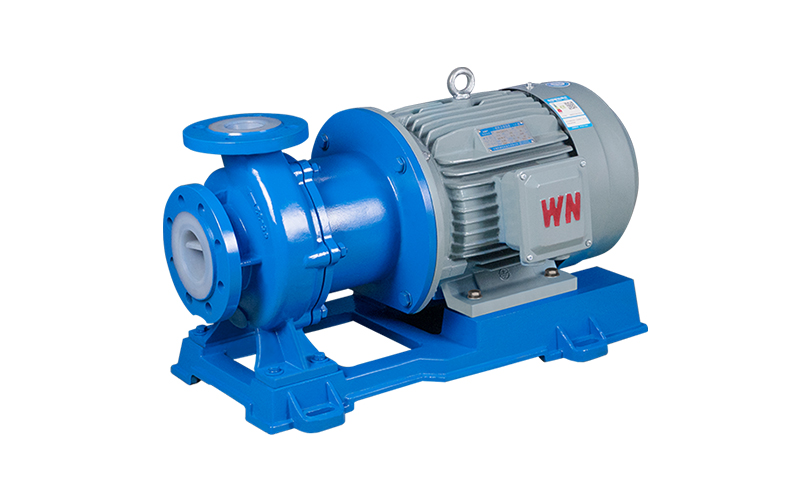
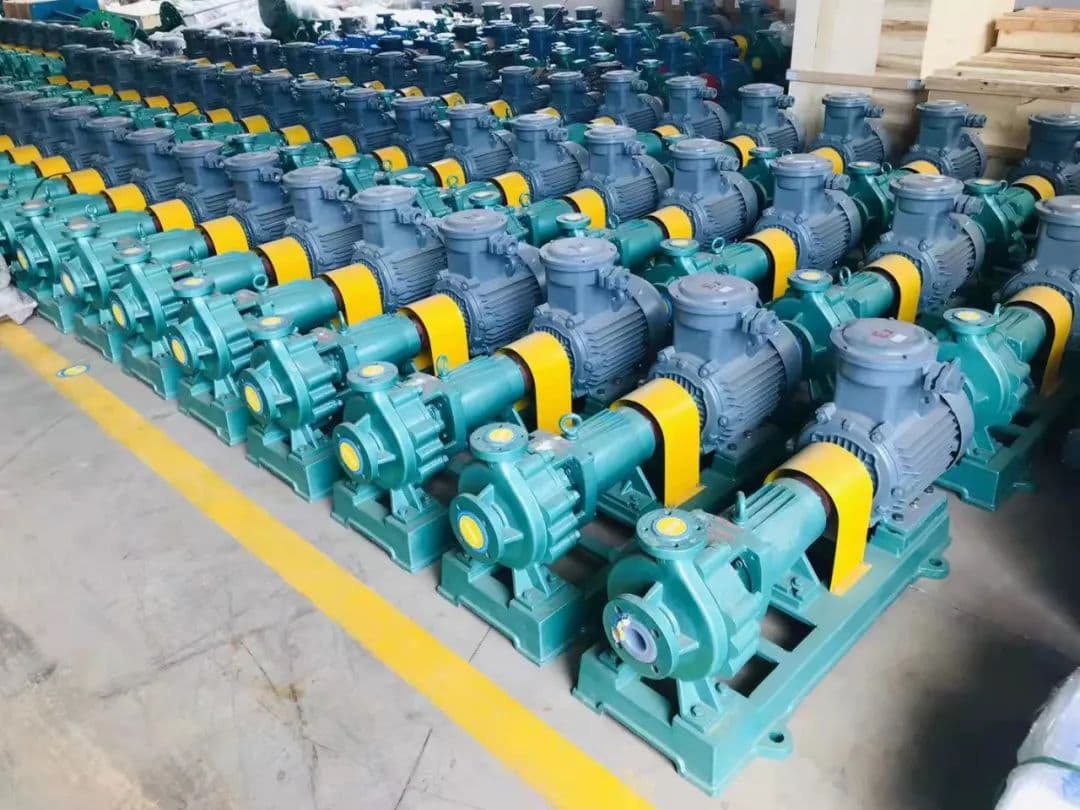
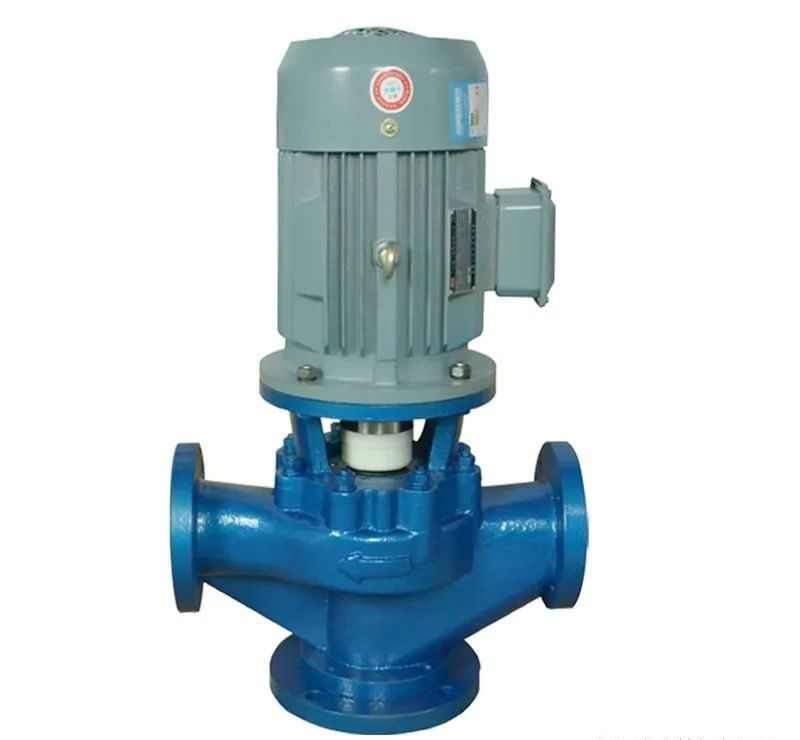
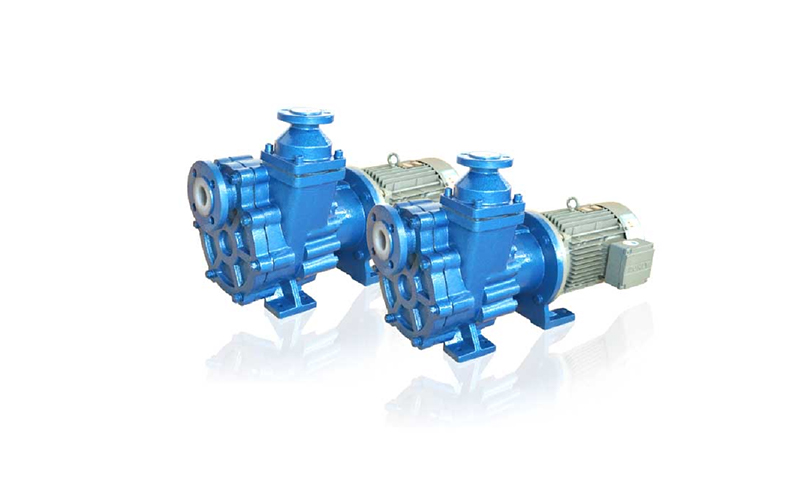
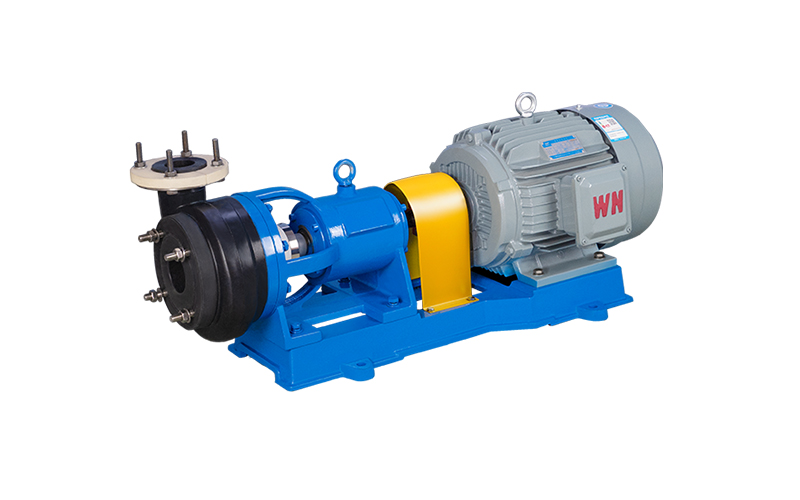
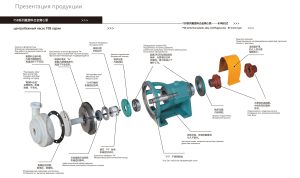
Suitable for chlor-alkali, chlorobenzene, foil formation, pickling, pesticides, medicine and other industries of highly corrosive media transport. FSB(L) and FSB(D) centrifugal pumps, the flow parts are all made of fluorine plastic alloy, compact structure, simple operation, low price. The two types of pump shell, impeller, mechanical seal, etc. can be used interchangeably, and are welcomed by the pesticide, electronics, paper and other industries.
Fluorine plastic centrifugal pump main parameters:
- Flow: 3.6m³/ h-100m³/ h.
- Head: 15m-55m (1.5bar-5.5bar).
- Power: 1.5kw-18.5kw.
- Suitable medium: acid, alkali, salt, strong oxidant of any concentration.
- Features: plastic housing, long service life machine seal, portable equipment.
Our company can according to the actual working conditions, choose different configurations, to provide accurate solutions.

Perfluorinated pump shell、impeller、mechanical seal
After-sales service
In order to meet the needs of the market, Teflon Equipment has set up a special after-sales service department, which is equipped with full-time customer service personnel and maintenance technicians to deal with after-sales related matters. The company has always adhered to the implementation of ISO9001 system requirements, so our company’s service quality has a certain advantage in the industry.
We promise and can do the following three things:
1. Products are issued with certificates, nameplates, manuals and related technical documents required by customers to ensure that customers can correctly install and safely use our products.
2. Our company to ensure that the factory products can meet the standards, resolutely prevent unqualified products out. Strictly fulfill the “three guarantees” service, do not prevaricate, not perfunctory.
3. If the user raises objections to our products or services, he/she shall make comments within 4 hours of receiving the objections.
FAQ
- What are the types of mechanical rotor imbalance?
A: static imbalance, dynamic imbalance and mixed imbalance.
- How to measure pump shaft bending?
A: After the shaft is bent, it will cause the unbalance of the rotor and the wear of the dynamic and static part, put the small bearing on the V-shaped iron, the large bearing on the roller support, the V-shaped iron or support should be put firmly, and then the dial gauge is supported, the table is pointed to the axis, and then slowly move the pump shaft, if there is bending, each turn of the micrometer has a maximum and minimum reading, The difference between the two readings indicates the maximum radial runout of the shaft bending, also known as wobble. The shaft curvature is half of the sway, the radial runout of the general shaft is not more than 0.05mm in the middle, and more than 0.02mm at both ends.
- What are the three types of mechanical vibration causes?
A: 1) Structure: caused by manufacturing design defects; 2) Installation: mainly caused by improper assembly and maintenance; 3) Operation: due to improper operation, mechanical damage or excessive wear.
- Why is the misalignment of the rotor an important cause of abnormal vibration of the rotor and early damage to the bearing?
A: Due to the influence of factors such as installation error, rotor manufacturing, deformation after bearing and environmental temperature change, poor alignment between rotors may result in poor alignment. Due to the force change of the coupling, the actual working position of the rotor journal and bearing is changed, which not only changes the working state of the bearing, but also reduces the natural frequency of the rotor shafting. Therefore, rotor misalignment is an important cause of abnormal rotor vibration and early bearing damage.
- What is the standard time for measuring and reviewing the ellipticity and taper of the journal?
A: The ovality and taper of the bearing diameter should meet the technical requirements, generally not greater than one thousandth of the diameter. The ellipticity and taper of the axle diameter of the rolling bearing are not greater than 0.05mm.
- What should be paid attention to when assembling chemical pump?
A: 1) Whether the pump shaft is bent and deformed; 2) Whether the rotor balance meets the standard; 3) Clearance between impeller and pump housing; 4) Whether the compression of the mechanical seal buffer compensation mechanism meets the requirements; 5) Concentricity of pump rotor and volute; 6) Whether the center line of the impeller runner and the center line of the volute runner are aligned; 7) Adjustment of the clearance between the bearing and the end cap; 8) Clearance adjustment of the sealing part; 9) Whether the assembly of the drive system motor and the variable (increase and decrease) speed device meets the standard; 10) Alignment of the coaxial coupling; 11) Whether the mouth ring gap meets the standard; 12) Whether the tightness of the connecting bolts of each part is appropriate.
- What is the purpose of pump overhaul? What are the requirements?
A: Objective: Through the maintenance of the pump, eliminate the problems existing after long-term operation. The requirements are as follows: 1) eliminate and adjust the large gap caused by wear and corrosion in the pump; 2) Eliminate dirt, dirt and rust in the pump; 3) Repair or replace parts that do not meet the requirements or have defects; 4) The rotor balance test is qualified; 5) Check the coaxiality of the pump and the drive machine and meet the standard; 6) Test qualified, complete data, to meet the process production needs.
- What is the cause of excessive power consumption of the machine pump?
A: 1) the total head and pump head does not match; 2) The density and viscosity of the medium are inconsistent with the original design; 3) The pump shaft is inconsistent with the prime mover axis or bent; 4) There is friction between the rotating part and the fixed part; 5) impeller mouth ring wear; 6) Improper installation of seal or mechanical seal.
- What are the causes of rotor imbalance?
A: 1) Manufacturing error: uneven material density, non-coaxiality, non-roundness, uneven heat treatment; 2) Incorrect assembly: the center line of the assembly part is not coaxial with the axis; 3) The rotor deformation: wear is not uniform, the shaft deformation under operation and temperature.
- 1 What is dynamic unbalanced rotor?
A: There are rotors of equal size, opposite directions, unbalanced particles that are combined into two couples that are not on the line of a day.