
Introduction
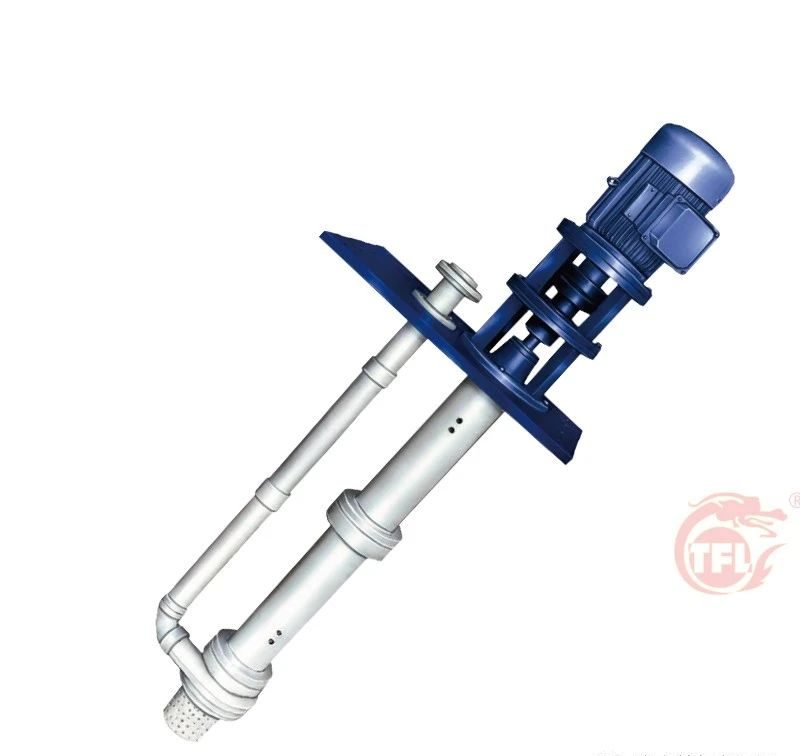
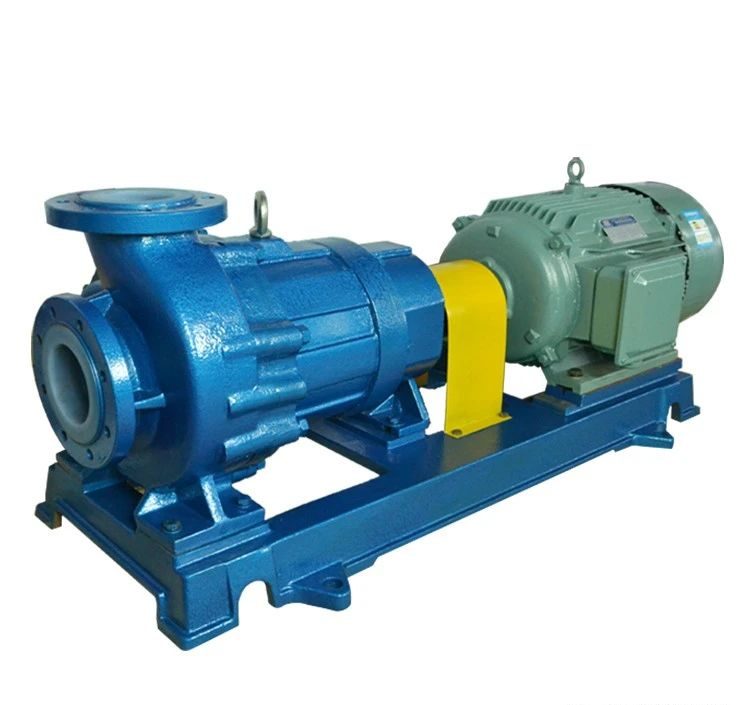
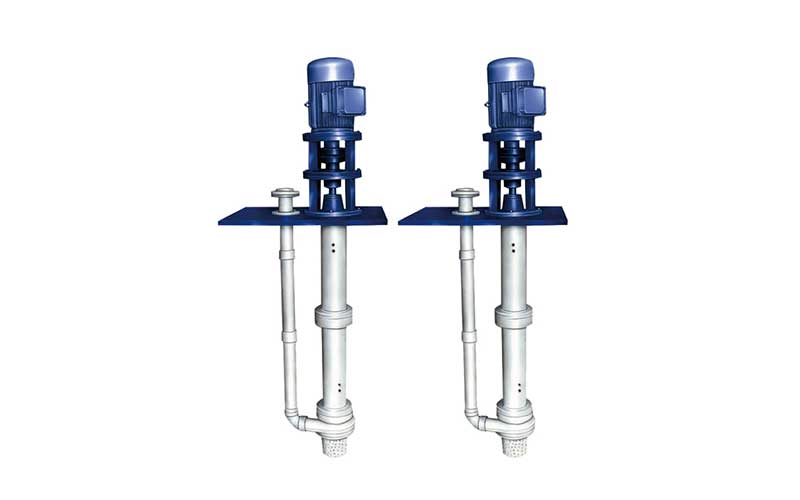
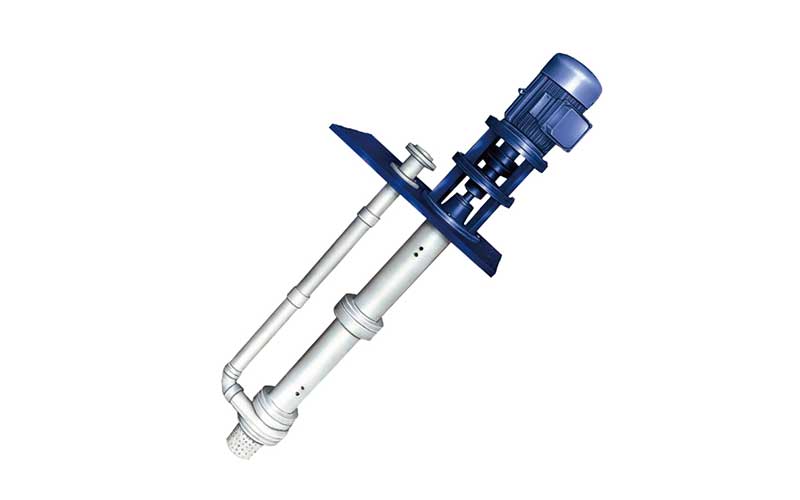
The liquid pump is a vertical pump with the impeller, pump body and other flowing parts immersed in the material to be transported and connected with the motor shaft. The subaqueous pump is made according to the different needs of the length of the inserted container. The parts of the liquid pump in contact with the material are generally selected according to the requirements of the material, and there are metal and non-metal materials.
FYH liquid pump is widely used to transport acid and base, organic solvents, strong oxidants and other corrosive media, the use temperature is -20℃ to 85℃. FYH type plastic liquid pump is a long shaft vertical centrifugal pump, its contact liquid part is all welded by plastic, with a wide range of corrosion resistance, high efficiency, light weight, no need for irrigation can be pumped, easy maintenance, etc.
Advantage
1, FYH vertical liquid pump appearance is beautiful, directly installed on the storage of the material to be transported, no additional floor space, thus reducing the investment in infrastructure.
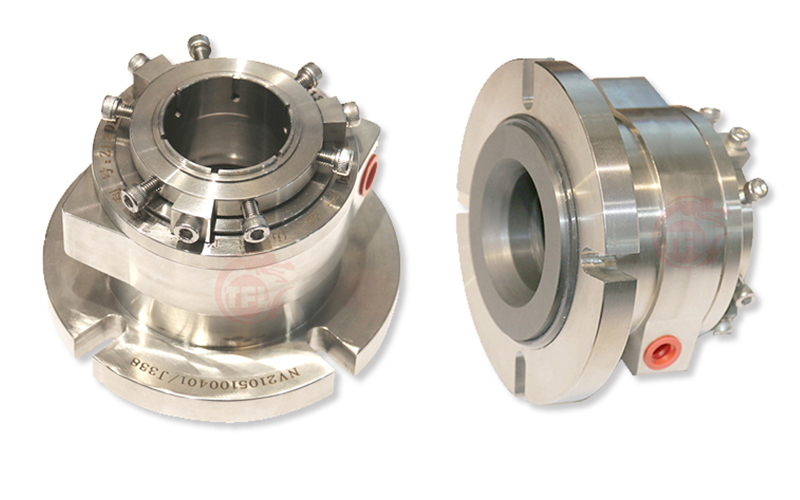
2, cancel the mechanical seal, to solve the other liquid pump due to mechanical seal wear and frequent maintenance of the trouble, saving the pump operating costs, improve work efficiency.
3, the use of a unique centrifugal double balance impeller for conveying clean materials without solid particles, vibration noise is extremely low, high efficiency; The open double balance impeller is used to transport the liquid with solid particles and short fibers, which runs smoothly and does not clog.
4, do not need to divert water (irrigation) can start, is a non-leakage pump.
Purging method
Internal flushing: When the pump conveying medium is a clean medium, this method is used for flushing. A pipeline is drawn from the pump outlet flange, so that the flushing liquid flows to each plain bearing, lubricating the plain bearing, taking away the heat generated after friction, and playing a cooling role.
External flushing: When the pump conveying medium is medium containing small particles, this method is used for flushing. A pipe is connected from the outside, and a clean flushing liquid is introduced to flush each plain bearing, which plays the role of lubrication and cooling, while avoiding the entry of solid particles into the bearing.
Applicable scene
Urban sewage treatment and industrial wastewater treatment. Subliquid pumps are used to discharge waste water from municipal sewage treatment plants, as well as waste liquid produced in industrial production.
Drainage of subways, basements and civil defense systems. In these situations, subsurface pumps are used to remove water and ensure safe and normal operation.
Sewage discharge in hotels, high-rise buildings and residential areas. The liquid pump is used in these occasions to remove sewage and prevent environmental pollution.
Water supply plant. Subaqueous pumps are used to increase water pressure and ensure running water supply.
Irrigation of farms and fields. Subsurface pumps are used to provide the necessary moisture to support agricultural and aquaculture production.
Chemical, petrochemical, smelting and other industries. Subsurface pumps are used in these industries to transport a variety of chemicals and corrosive liquids.
The pharmaceutical industry. The under liquid pump is used to transport various drugs and chemicals to ensure the stability and safety of the production process.
The laboratory area. Subaqueous pumps are used to extract various reagents in chemical tests, such as coolant, oil, solvent, etc.
In addition, subsurface pumps have other uses, such as in exploration mines and water treatment equipment. The new type of liquid pump is also suitable for transporting light flammable and explosive materials, with explosion-proof, maintenance-free and low energy consumption.
Assembly sequence of submerged pump
Submerged pumps are mainly used in industries such as environmental protection, municipal engineering, thermal power plants, gas coking plants, refineries, steel plants, mining, paper making, cement plants, food factories, printing and dyeing to extract thick liquids, heavy oil, oil residue, turbid liquids, mud, mortar, quicksand, and flowing sludge in urban sewage channels, as well as fluids and corrosive liquids containing sludge residue.
The assembly sequence of the submerged pump.
(1) The bearings should be separately installed in the bearing box and bearing seat.
(2) Install the felt ring into the bearing end cover, C, and bearing box.
(3) Install the ethylene propylene on the bearing end cover into the bearing seat and tighten it with bolts.
(4) Thread the bearing box for installing the bearing onto the shaft, tighten the round nut, and connect the bearing end cover to the bearing box.
(5) Install the shaft into the bearing seat, tighten it with bolts, tighten the adjustment screws, install the bearing on the support seat, and place the water retaining ring in the appropriate position at the lower bearing.
(6) Fix the connecting pipe on the bearing seat and install the pump cover at the lower part of the connecting pipe. Install the impeller at the lower part of the shaft and tighten the shaft. Install the front cover of the pump body onto the front cover of the pump body in sequence and fix it with bolts. Use the adjustment screw at the bearing box to adjust the gap between the impeller and the front cover (controlled at 1-1.5mm). After adjustment, tighten it with bolts.
(7) The motor support is installed on the bearing seat and fastened with bolts. The coupling component is installed at the upper end of the shaft, and the motor coupling is fastened to the motor shaft head with fastening screws. The motor is connected to the motor support and fastened with bolts and nuts.
(8) According to the order of pump output, install the asbestos pad, outlet elbow, outlet pipe, and outlet pipe components into the bracket.
FAQ
1.What should be handled before the overhaul of chemical pump?
A: 1) machinery and equipment must stop before maintenance, cooling, pressure relief, cut off the power supply; 2) The machinery and equipment with flammable, explosive, toxic and corrosive media must be cleaned, neutralized and replaced before inspection and testing before construction; 3) Maintenance of flammable, explosive, toxic, corrosive media or steam equipment, machinery, pipelines, must cut off the material outlet, inlet valves, and add blind plates.
2.What process conditions should be possessed before the overhaul of chemical pump?
A: 1) Parking; 2) Cooling; 3) Pressure relief; 4) Cut off the power supply; 5) Replacement
3.What are the general mechanical disassembly principles?
A: Under normal circumstances, it should be first outside and then inside, first up and then down, in turn, for the overall parts as far as possible.
4.What is the power loss in the centrifugal pump?
A: There are three kinds of losses: hydraulic loss, volume loss, mechanical loss.1) Hydraulic loss: when the fluid flows in the pump body, if the flow channel is smooth, the resistance is smaller, the flow channel is rough, the resistance is larger, the water enters the rotating impeller or the water comes out of the impeller will also produce collision and vortex caused by loss. These two kinds of losses are called hydraulic losses. 2) Volume loss: the impeller is rotating, and the pump body is static fluid in the gap between the impeller and the pump body, a small part of the flow back to the inlet of the impeller; In addition, a part of the fluid from the balance hole back to the impeller inlet, or from the shaft seal leakage. If it is a multistage pump, a part of the balance plate should also be lost. These losses are called volume losses; 3) Mechanical loss: When the shaft is rotating, friction should occur with bearings, fillers, etc., the impeller rotates in the pump body, and the front and rear cover plates of the impeller should generate friction with the fluid, which consumes part of the power, and these losses caused by mechanical friction always become mechanical losses.
5.In production practice, what is the basis for rotor balance?
Answer: According to different revolutions and structures, static balance method or dynamic balance method can be selected. The static equilibrium of the rotating body can be solved by the static equilibrium method. Static equilibrium can only balance the imbalance of the center of gravity of the rotating body (that is, eliminate the moment), but cannot eliminate the imbalance couple. Therefore, static equilibrium is generally only applicable to disks with relatively small diameters. For the rotating body with a relatively large diameter, the dynamic balance problem is often more common and prominent, so it is necessary to deal with the action balance.
6.What is balance? What are the types of balance?
A: 1) The work of eliminating the imbalance of rotating parts or components is called balancing; 2) Balance can be divided into static balance and dynamic balance.