
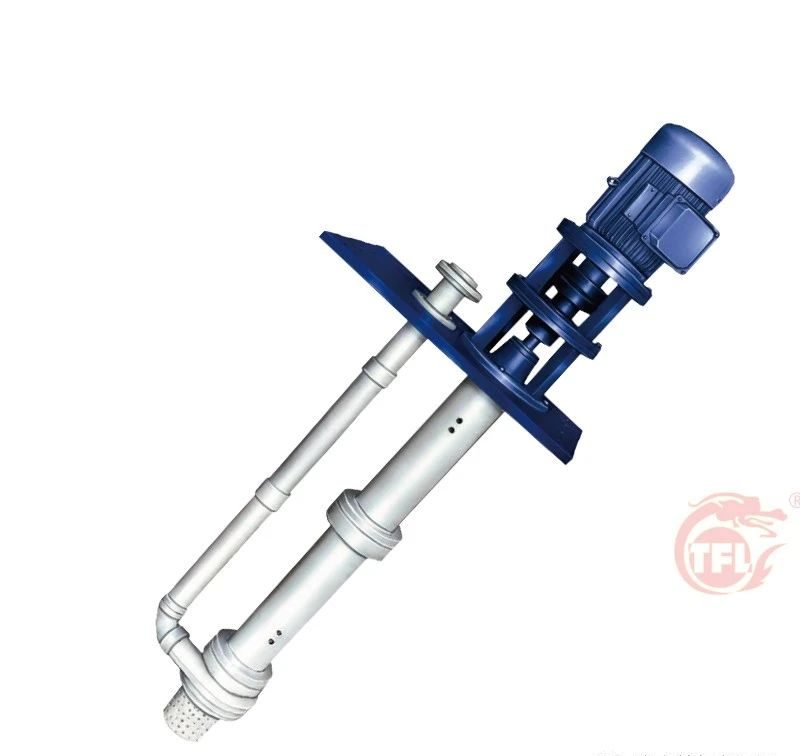
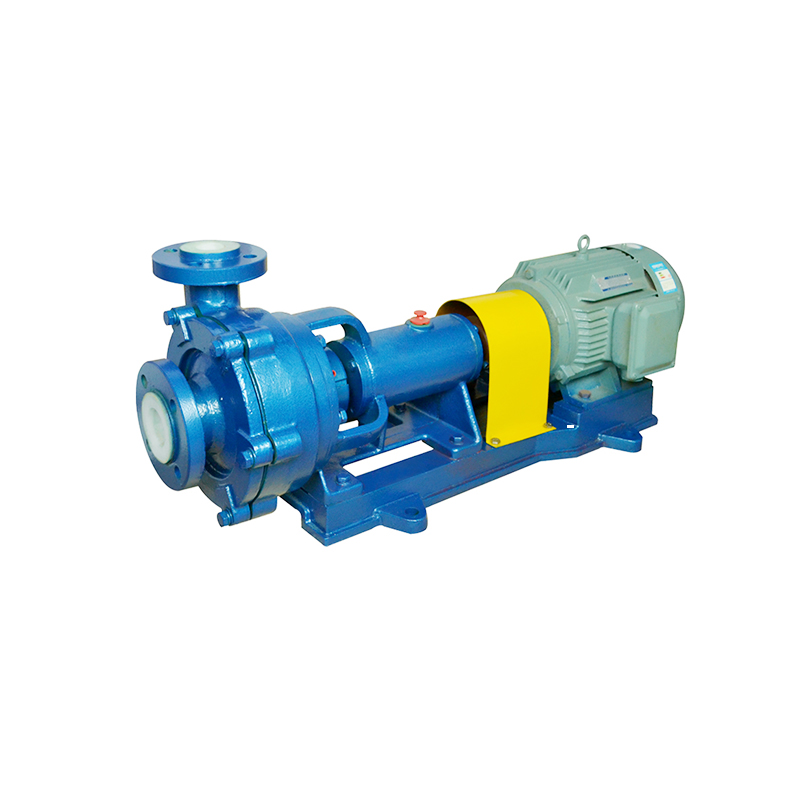
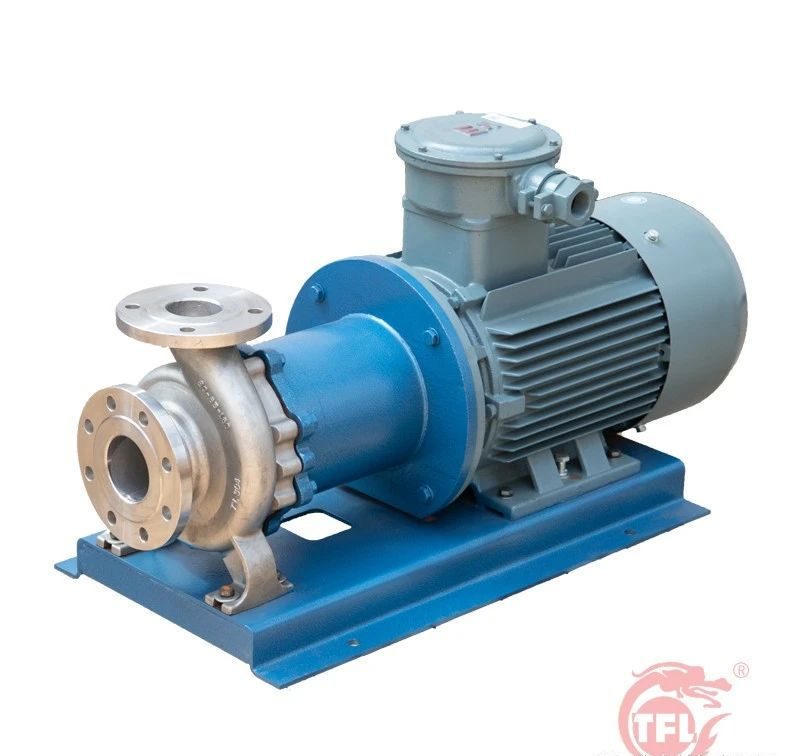
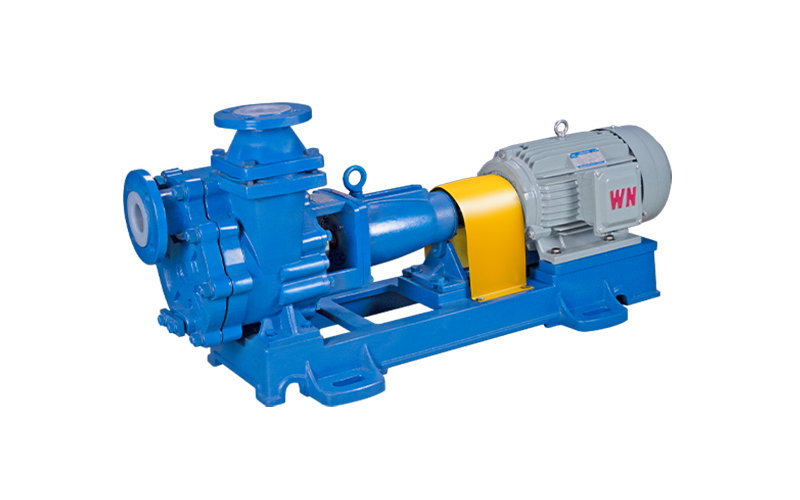
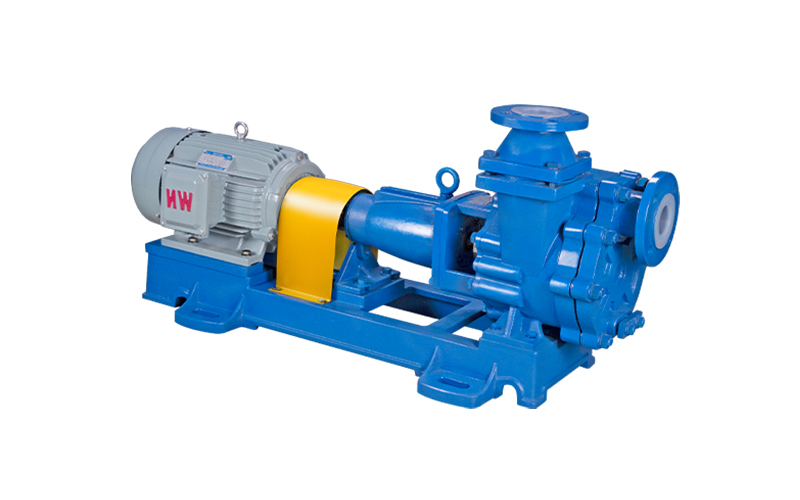
Introduction
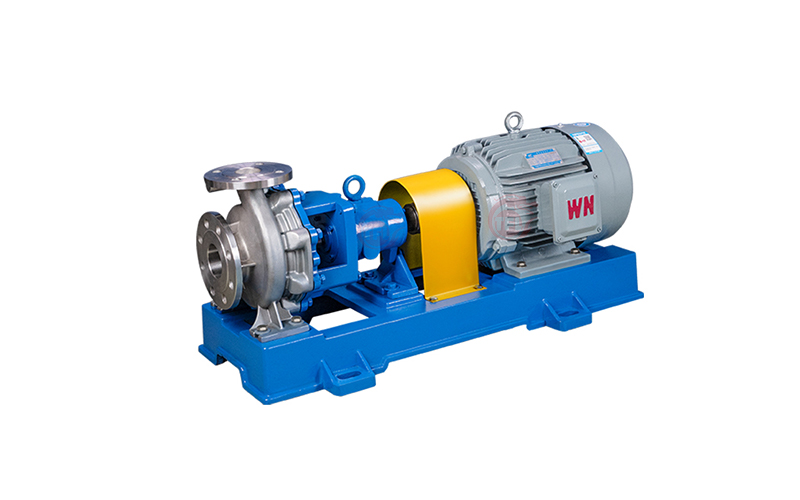
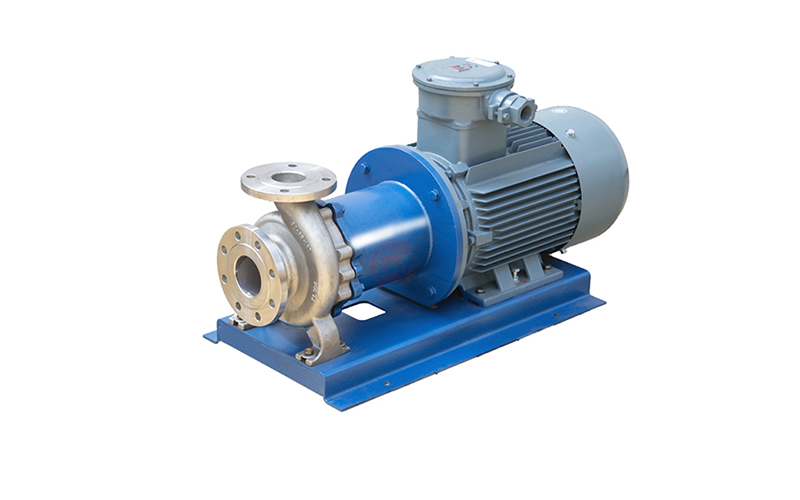
This product is widely used in industries such as chemical, pesticide, acid and alkali production, papermaking, acid washing process, electronics, etc. Applicable temperature: -20 ° C-80 ° C.
Design features
patented product
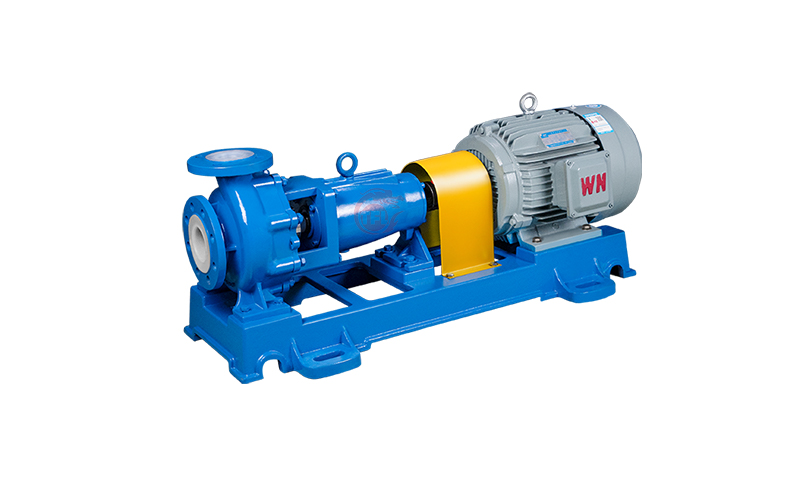
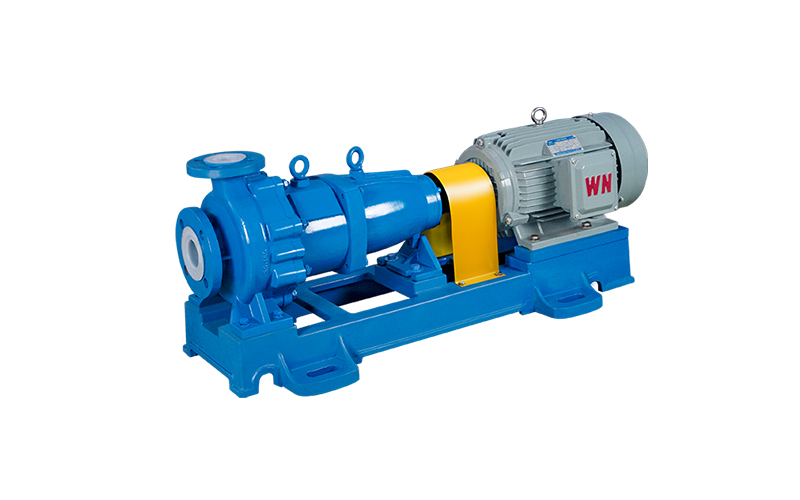
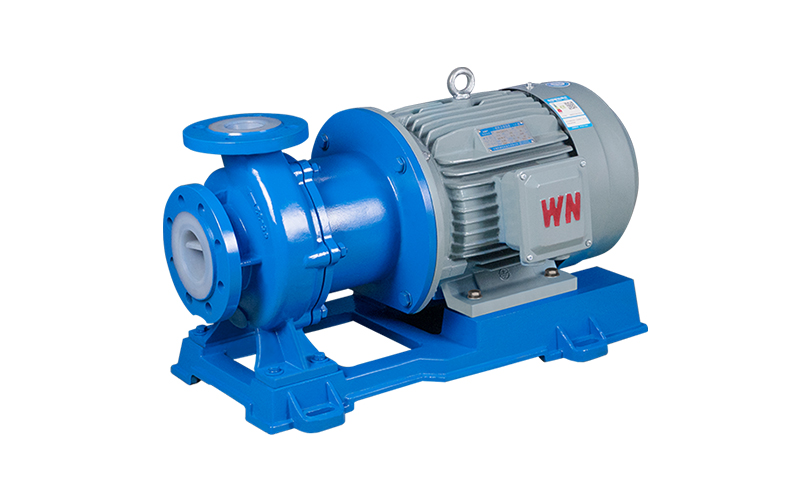
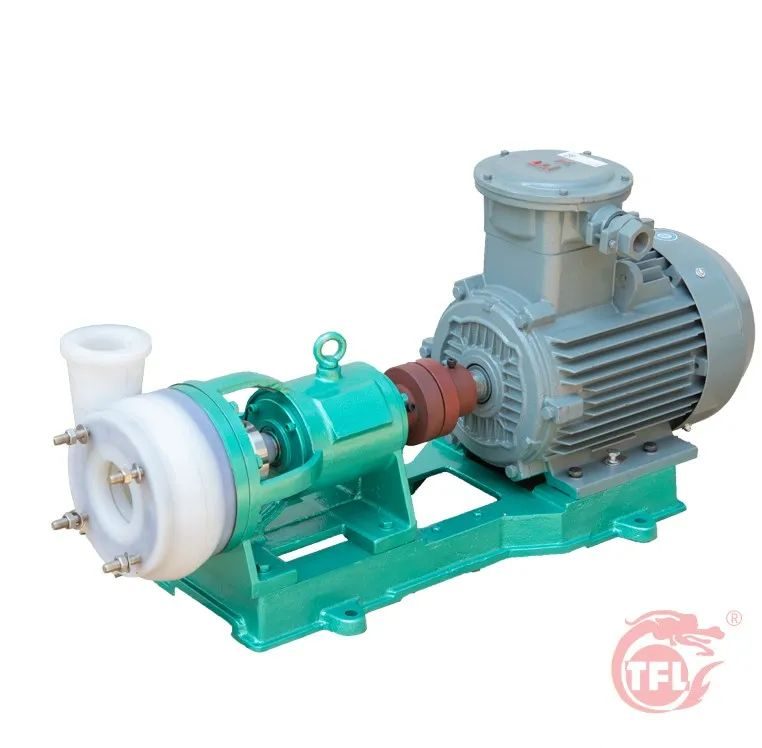
The FZB series fluoroplastic alloy self suction centrifugal pump is a patented product independently developed by our company. The main structure is based on the IHF centrifugal pump, equipped with a double volute self suction pump body to achieve its self suction function. The overall structure is simple and has strong versatility.
Corrosion and pressure resistance
The overcurrent components are made of fluoroplastics and fluoroplastic alloys, with excellent corrosion resistance. The substrate is made of metal materials with strong pressure resistance.
Easy to operate
Specially developed for low slot working conditions, the pump is installed above the tank, making installation, operation, and maintenance very simple. The self suction height can be determined within 1 to 3 meters based on the density of the medium.
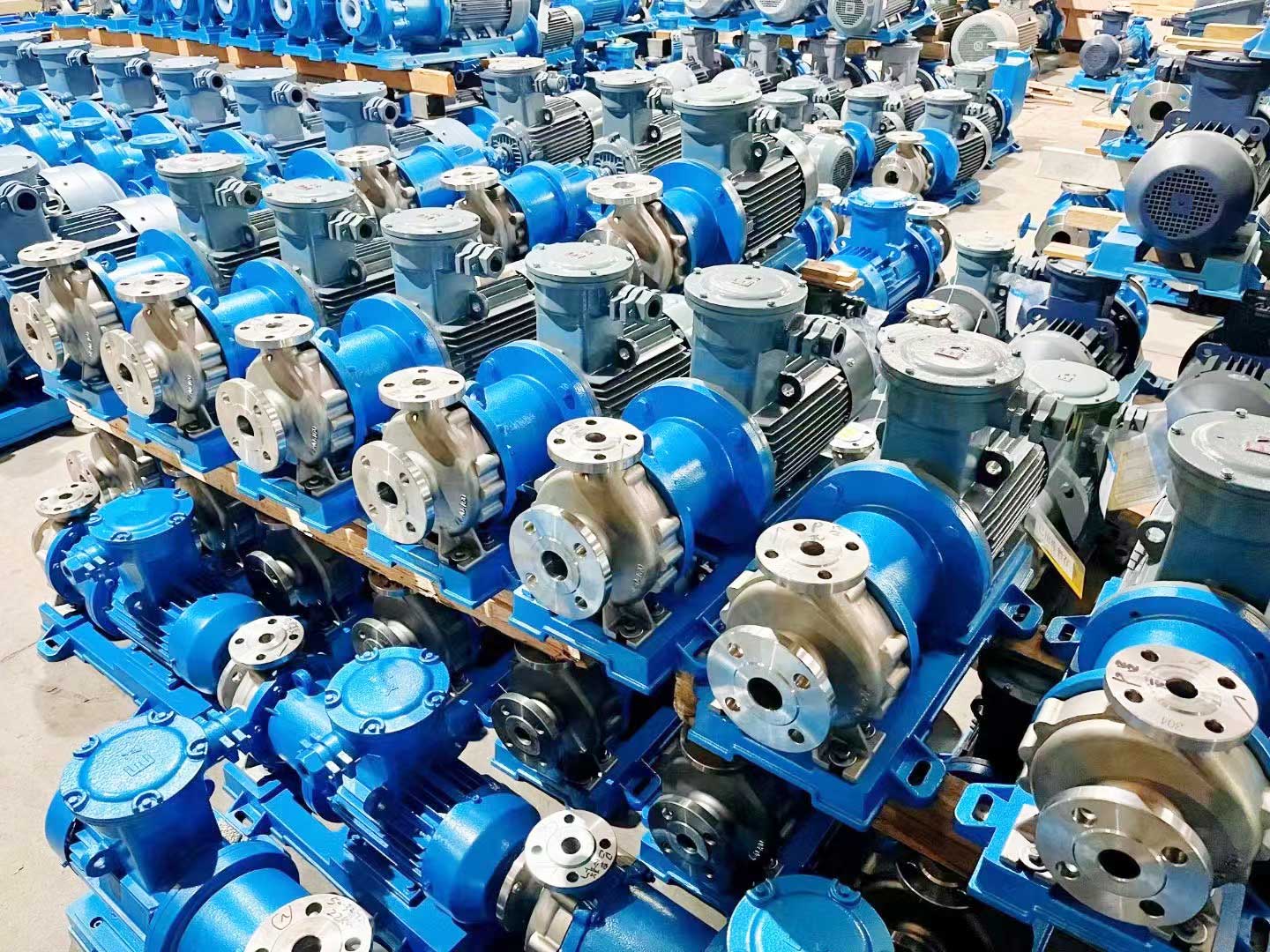
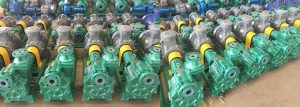
Factory real show
FAQ
1.How to prevent evacuation and cavitation during operation?
A: Evacuation: There are gas and liquid in the pump memory, the pump can not work, and the flow rate and pressure tend to zero. Cavitation: occurs in the operation of the pump, from the medium in the pump, flow and pressure change and decline, resulting in hydraulic impact. Usually, the evacuation of the pump refers to a cavitation phenomenon in the pump, due to the leakage of the installation technology pipeline, the evacuation caused by the inhalation of gas is rare, most of them are caused by the operation and process changes. In the operation process, it should start with the stable process operating conditions, the operating temperature is appropriate to the lower limit, the pressure is appropriate to the lower limit, in order to avoid or control the occurrence of cavitation phenomenon, the flow rate of the pump should be moderate in the operation, and the pressure and temperature should be minimized. The retention of gas in the pump suction line should be prevented, and the standby pump inlet whose inlet pressure is negative pressure should be closed.
2.What is dynamic coordination and static coordination? What’s the obvious difference?
A: 1) dynamic fit: the actual size of the hole is greater than the actual size of the pump; 2) static fit: the actual size of the shaft is greater than the actual size of the hole; 3) Obvious difference: dynamic fit, the shaft to the hole can do relative movement; Static fit: there is no relative movement between the shaft and the hole.
3.What are the four basic requirements for equipment maintenance?
A: Neat, clean, lubricated, safe
4.How does the labyrinth seal work?
A: Labyrinth seal: there are a number of sequentially arranged ring seal teeth, teeth and rotor formed a series of throttling gap and expansion space, fluid through many tortuous channels, after multiple throttling and produce a lot of resistance, so that the fluid is difficult to leak, to achieve the purpose of sealing.
5.What is the interchangeability of parts? What is the main function?
A: 1) the parts can be exchanged and used with each other, and can meet the indicators of the original parts, which is called the interchangeability of parts. 2) It mainly facilitates maintenance, reduces maintenance time, improves equipment utilization and work efficiency.
6.What is a power pump?
A: The dynamic pump continuously transmits energy to the liquid being transported, so that its velocity kinetic energy and pressure energy potential are increased, mainly the speed increases, and then the speed decreases, so that most of the kinetic energy is converted to pressure energy, using the pressure after the liquid has been raised to transport, such as: 1) vane pump, which includes centrifugal pump, mixed flow pump, axial flow pump, vortex pump, etc.; 2) Jet pump, including gas jet pump, liquid jet pump, etc.
7.What is a positive displacement pump?
A: In the process of periodically changing the volume of the pump chamber, the capacity is transferred to the transported liquid by the periodic change of action and displacement, so that its pressure is directly raised to the required pressure value to achieve transmission, such as: 1) reciprocating pump, including piston pump, plunger pump, diaphragm pump, extrusion pump, etc.; 2) Rotor pump, including gear pump, screw pump, Roots pump, rotary piston pump, sliding vane pump, crankshaft pump, flexible rotor pump, peristaltic pump, etc.
8.What are the main performance parameters of the pump?
A: It mainly includes: flow rate, head, cavitation allowance, speed, power and efficiency.
9.Why should the spare equipment be turned off regularly? What should you pay attention to when turning a car?
A: 1) For the standby equipment to turn regularly, one is to test whether the equipment is flexible, there is no blocking phenomenon; The second is to prevent bearing bending and deformation, etc., and really play a backup role. 2) When turning, attention should be paid to: first, the stopping position of the rotor after turning is 180 degrees from the original position; The second is that the pump of the lubricating oil should be fed to the oil, and the rear wheel should be turned to prevent damage to the bearing.