
Introduction
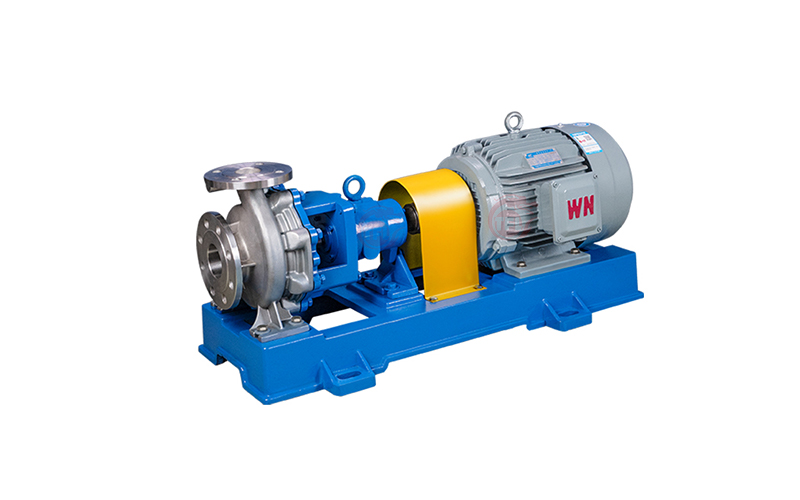
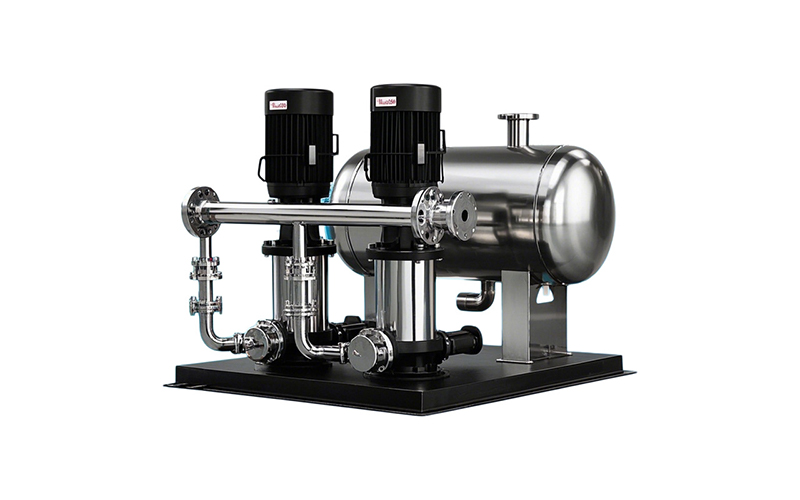
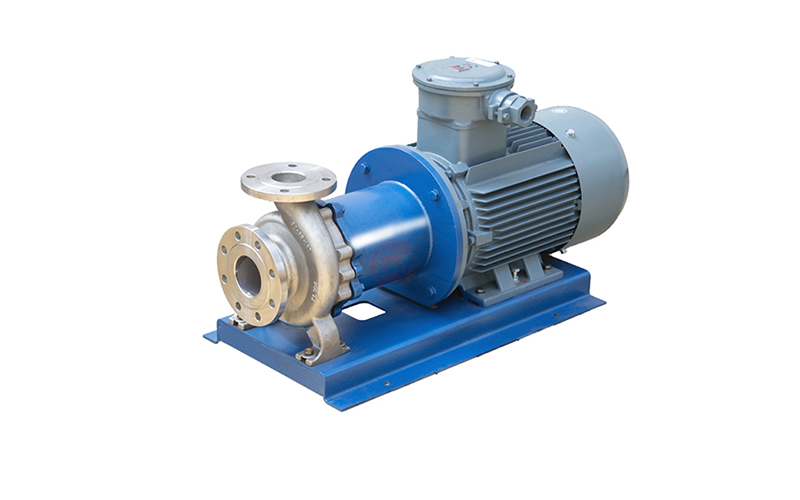
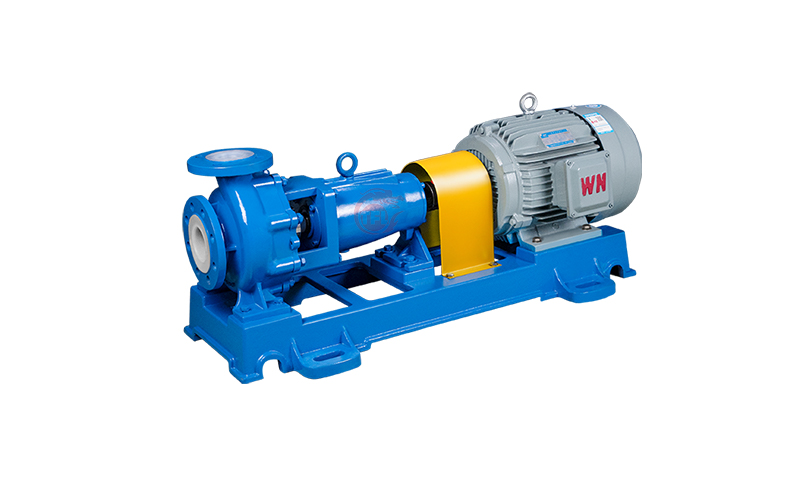
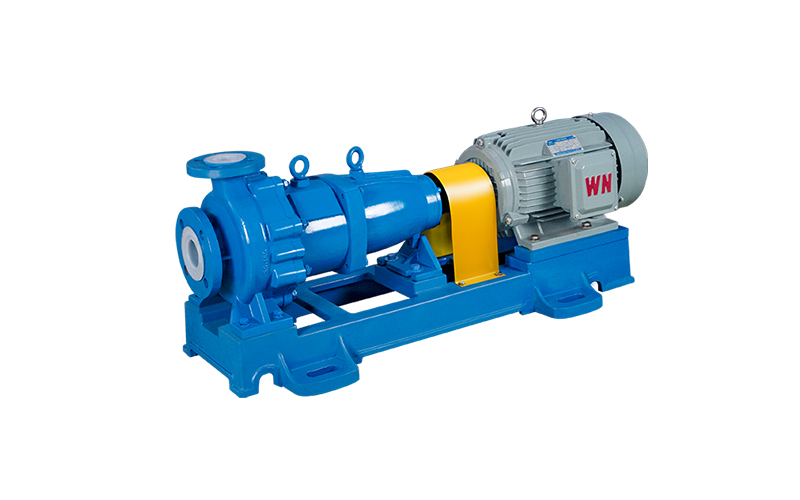
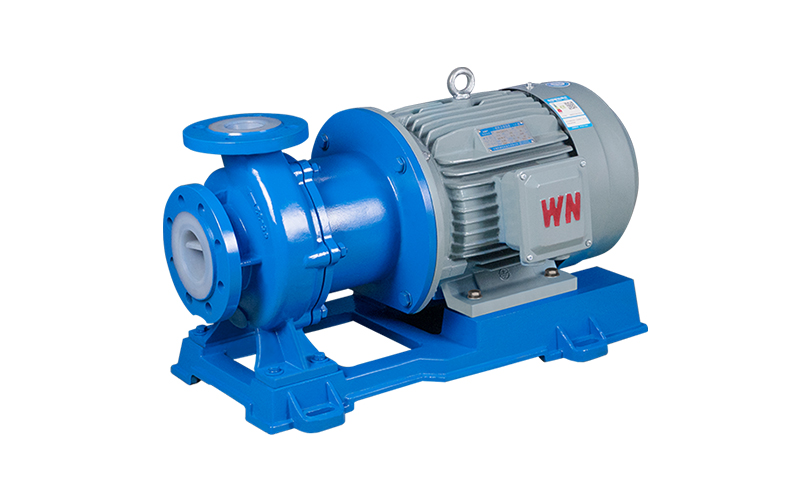
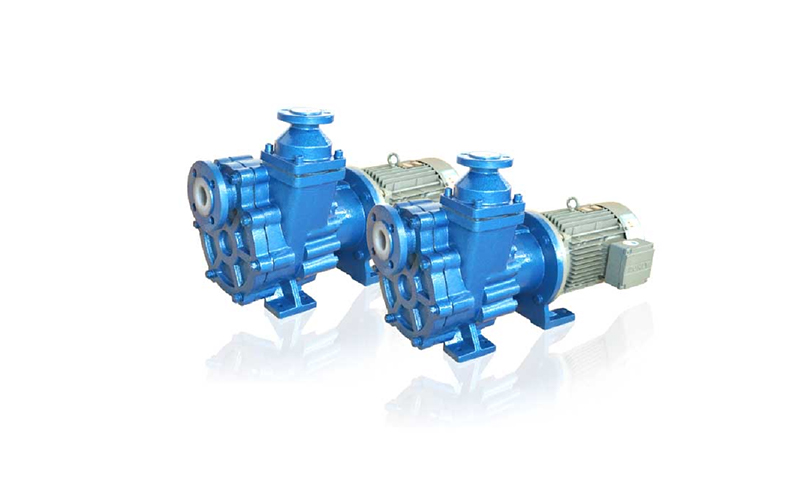
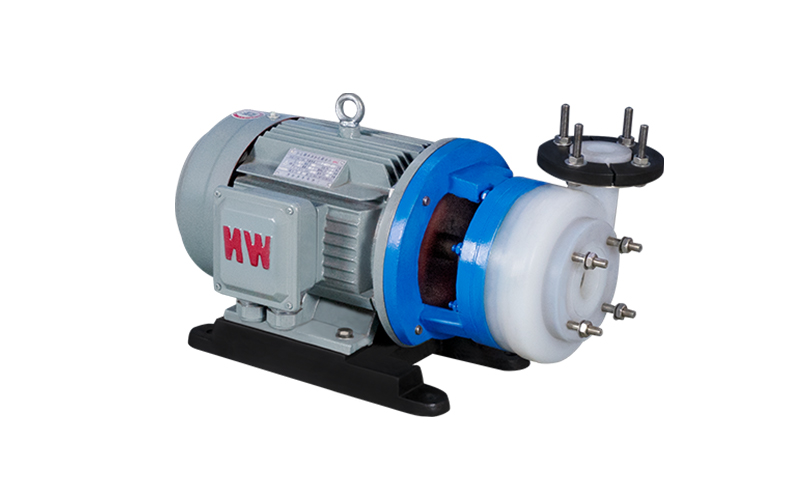
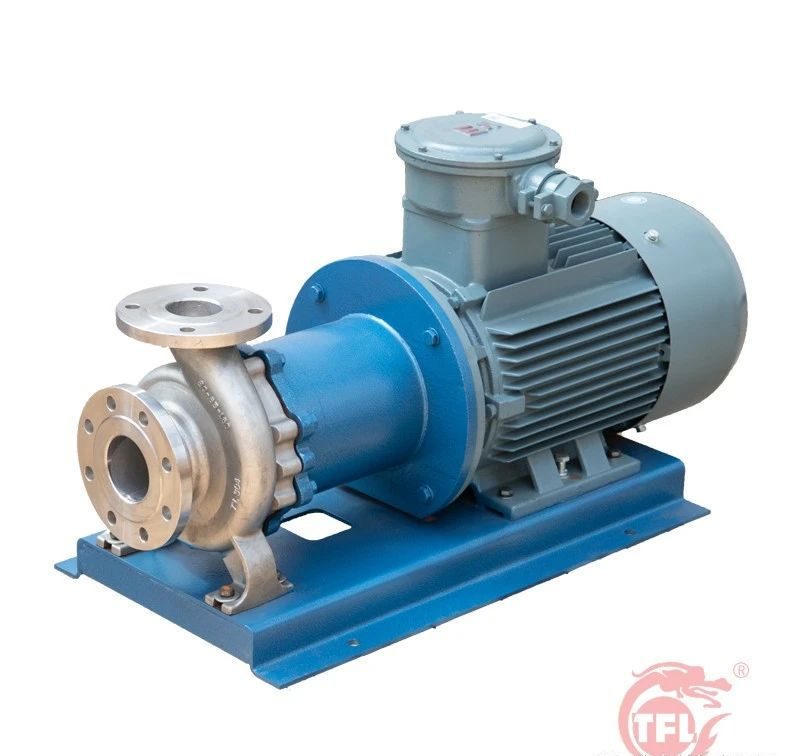
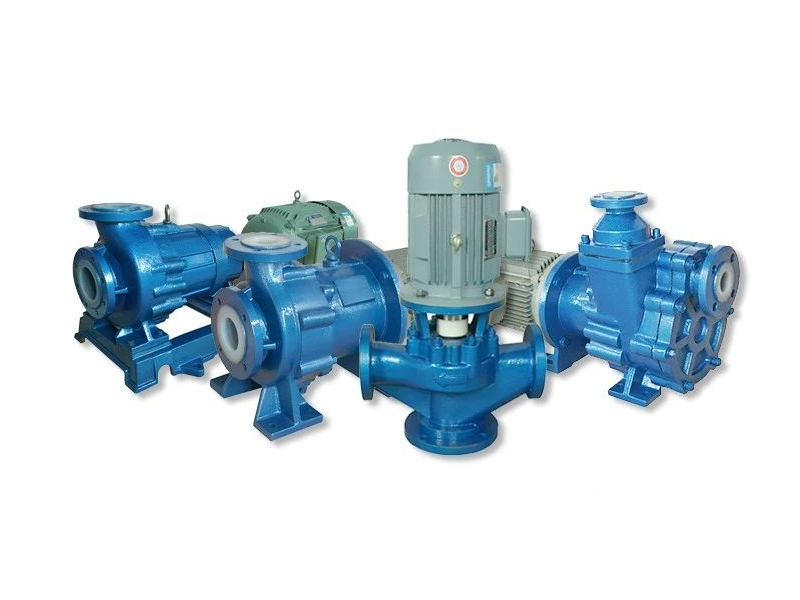
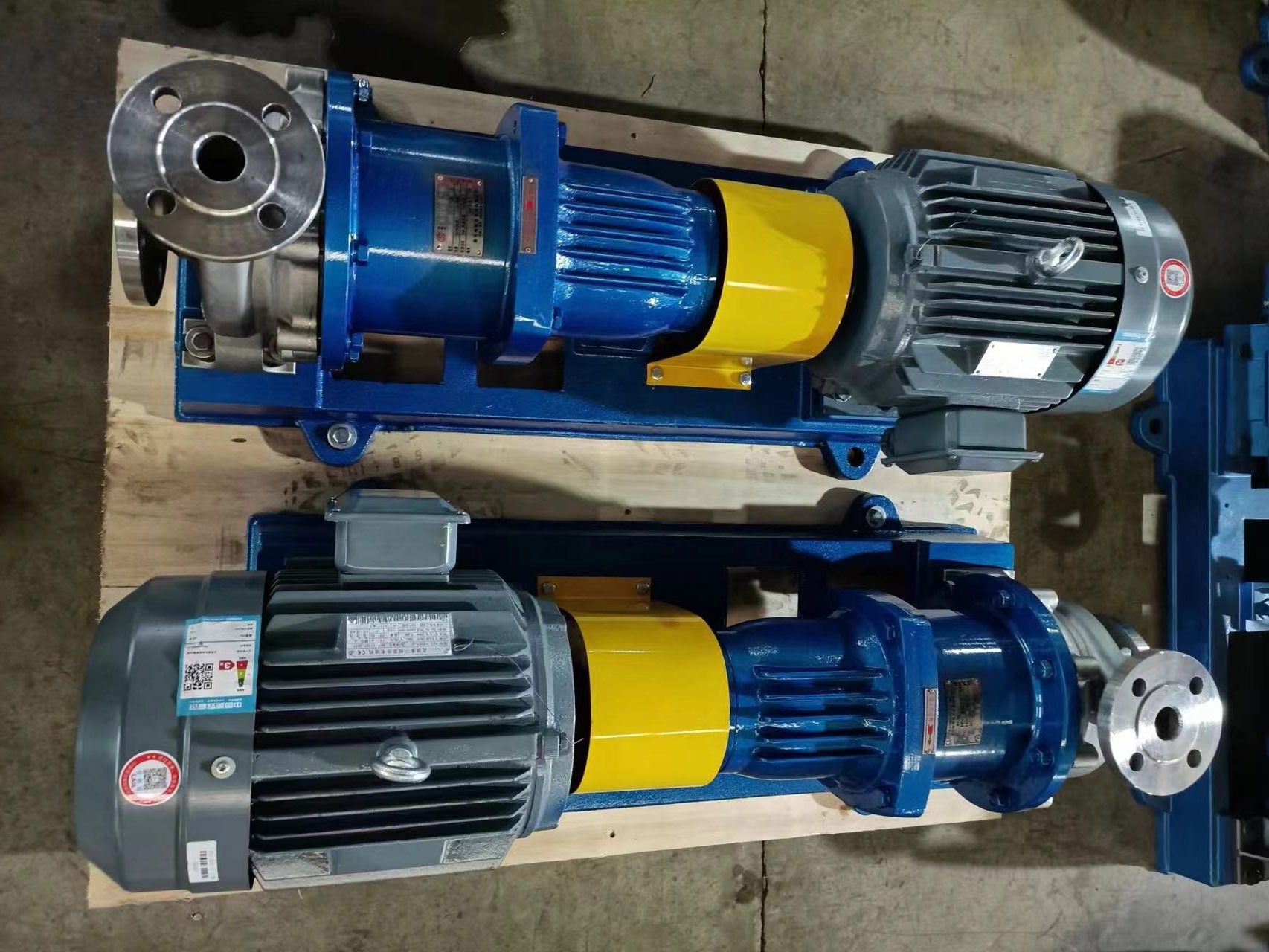
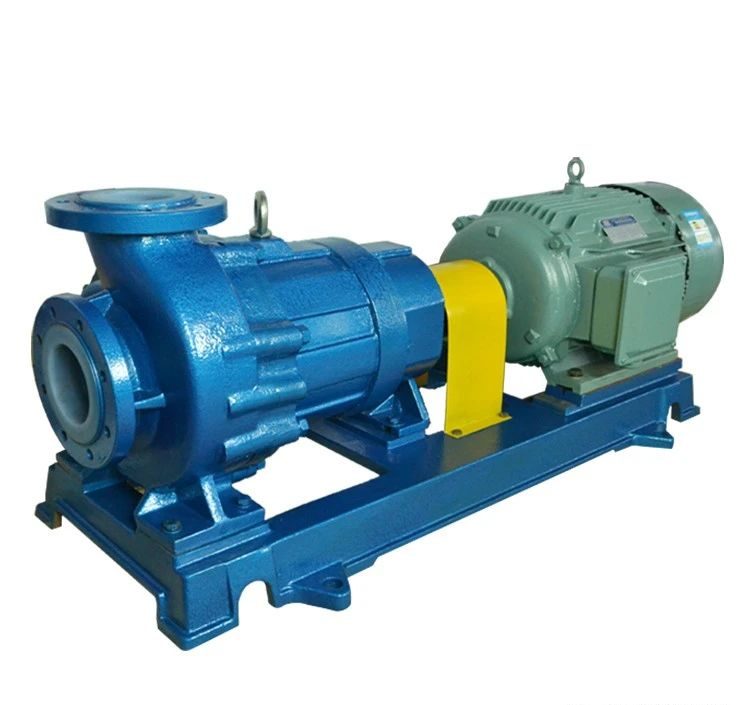
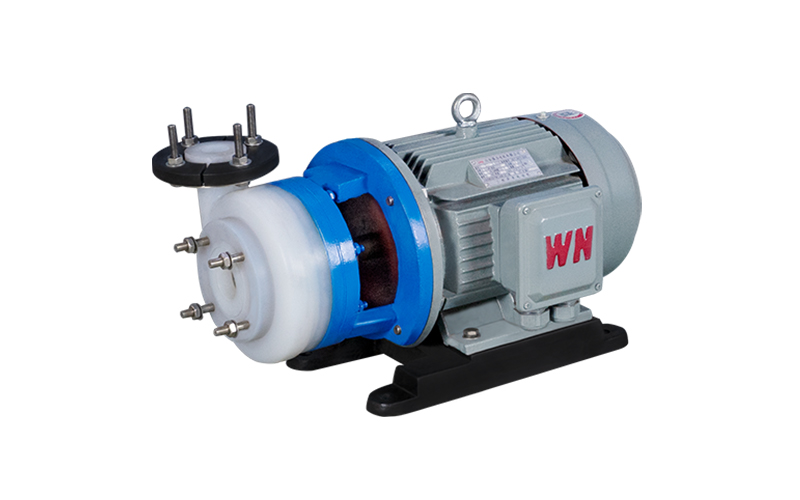
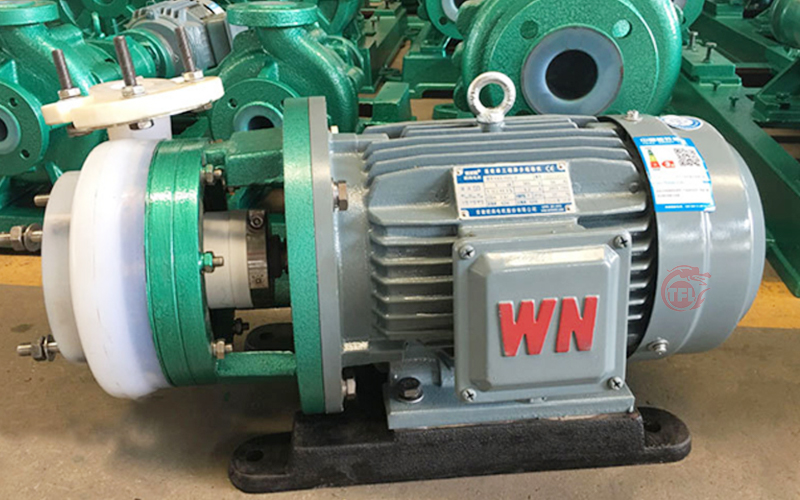
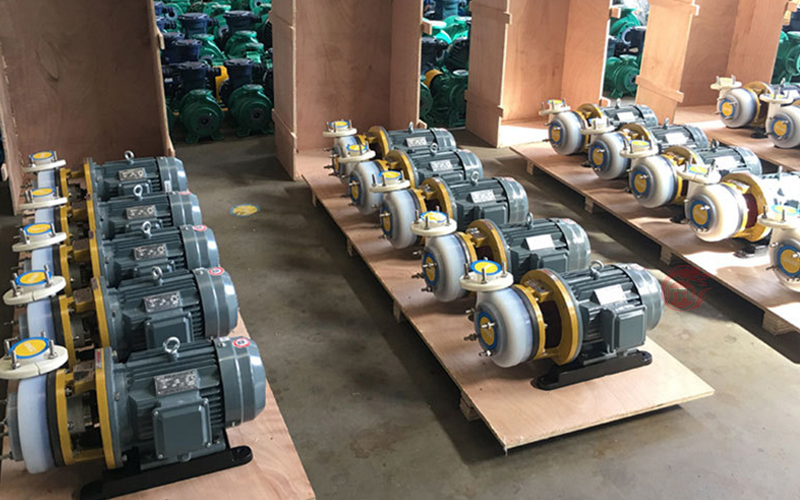
FSB-D fluorine alloy centrifugal pump is a short support corrosion resistant chemical pump, widely praised in the pesticide and pharmaceutical industries!
-
Flow rate: 3.6~100m³/h
-
Lift: 15~30m
-
Power: 3~15kw
-
Machine weight: 48~250kg Teflon Equipment Co., Ltd. provides professional and technical personnel to assist customers with rapid selection, hotline +86 (0086) 18795855808, E-mail: Teflon-pump@aliyun.com.
Advantage
1. Continuous and uniform flow, smooth work. Flow is easy to adjust. The applicable flow range is large, commonly used range 5-20000m ³/h.
2. High rotational speed. It can be directly connected to a motor or steam turbine. The structure is simple and compact, the size and weight are much smaller than the reciprocating pump with the same flow rate, and the cost is low.
3. It is not sensitive to impurities, less wearing parts, convenient management and maintenance. Both on land and on board, the number and scope of use of centrifugal pumps exceed other types of pumps.
Pump parameters are introduced
Pump parameters include pump flow, head, speed, power (efficiency) and cavitation margin.
1. Traffic
The volume flow of the pump is divided into volume flow and mass flow, volume flow is the volume of liquid pumped by the pump in unit time, which is the volume of liquid discharged from the pressure outlet section of the pump, volume flow is expressed by Q, and its unit is cubic meters per second (m3/s), liters per second or cubic meters per hour (m3/h). Mass flow is the mass of liquid pumped by the pump in unit time, mass flow q, which is expressed in kilograms per second (kg/s) or tons per hour (t/h). It is customary in engineering to use t/h units.
Generally speaking, the pump flow rate refers to the volume flow rate, and the mass flow rate is only used in rare cases.
The relationship between the volume flow Q of the pump and the mass flow q is:
Q=q/p (where ρ is the density of the liquid)
2. Lift
Pump lift refers to the unit gravity of the liquid through the pump after its energy appreciation, both the pump pressure outlet unit gravity liquid mechanical energy minus the pump suction inlet unit gravity unit mechanical energy, the unit is the increase of joule per Newton liquid J/N, and the unit of energy joule is Newton meters (J=N·m), so the unit of lift is m
3. Speed
The speed of the pump refers to the number of rotations of the pump rotor per unit time, and the speed of the pump is expressed by n, and its unit is revolution per minute (r/min) or revolution per second (r/s). The speed can also be expressed by the angular velocity of the rotor ω, its unit is per second (1/s), and the relationship between the speed and the angular velocity is:
Omega = 2 PI n / 604.
4. Power
The power of the pump refers to the input power of the pump, that is, the power transmitted to the pump shaft by the prime mover, also known as the shaft power. Sometimes called braking power, is the power required by a pump to complete a specific amount of work.
In addition to the input power, the pump also has the output power, that is, the useful power transmitted to it by the pump when the liquid flows through the pump, also known as the shaft power. The output power, sometimes called water power, is the power required by the pump to transport the liquid, excluding losses. That is, the product of mass flow rate q and the increase in energy gH per unit mass of fluid passing through the pump, expressed in Pu:
Pu=qgH/1000 (kW)
Input power and output power is not equal, there is a power loss in the pump, the size of the loss is measured by the efficiency ή, the efficiency of the pump is the ratio of output power and input power:
ή = Pu/P5.
5. Cavitation allowance
In the use of centrifugal pumps, cavitation allowance is also a very important parameter. If the pump produces noise and vibration during operation, and is accompanied by a reduction in flow, head and efficiency, and sometimes can not work, when the pump is repaired, it can often be found that there are pitting or honeycomb damage near the front cover plate and the inlet edge of the blade. In serious cases, the whole blade and the front and back cover plates have this phenomenon, and even the blade and cover plate are penetrated, which is the damage caused by cavitation. In actual operation, there are many pumps that are damaged by cavitation.
Cavitation or the process of cavitation is the process by which a flowing liquid cavitation and subsequent rupture occurs. When the absolute velocity of the fluid increases, due to the decrease in the static pressure of the liquid, for some specific particles of the fluid at a certain temperature, although there is no heat input from the outside, they have reached the vaporization pressure, making the particles vaporize and produce bubbles. Along the flow channel, if the static pressure of the fluid then rises again, greater than the vaporization pressure, the bubble will burst rapidly, producing a huge condensation shock that is of an inward explosive nature. If the bubble rupture does not occur in the flowing liquid, but occurs at the wall of the diversion component, cavitation will cause erosion of the wall material.
When the pump runs in the cavitation state, even if there is no erosion of the wall material, it will be found that the noise of the pump increases, the vibration increases, the efficiency decreases, and the head decreases.
Device cavitation margin: also known as the effective cavitation margin, the device cavitation margin is provided by the suction device, at the pump inlet unit weight liquid has more than the excess energy of vaporization pressure head. In foreign countries, it is called an effective net positive suction head, and the value of the total head minus the net remaining head of the vaporization pressure at the inlet of the stage pump (the position head is zero) is used. Indicates. Its size is related to device parameters and liquid properties. Because the hydraulic loss of the suction device is proportional to the square of the flow rate, NPSHa. It decreases with the increase of flow. NPSHa-q is a declining curve.
The pump cavitation allowance (NPSHr) is related to the flow in the pump and is determined by the pump itself. NPSHr characterizes the pressure drop at the inlet of the pump, that is, in order to ensure that the pump does not cavitation, the unit weight of the liquid at the inlet of the pump is required to have more energy than the head of the vaporization pressure, that is, the cavitation margin of the small device provided by the device. This is called the necessary net positive suction head abroad. The physical meaning of the pump cavitation margin indicates the degree to which the pressure drop of the liquid at the pump inlet is guaranteed. The so-called necessary net positive suction head refers to the requirement that the suction device must provide such a large net positive suction head in order to compensate for the pressure drop and ensure that the pump does not cavitation.
The cavitation allowance of the pump has nothing to do with the device parameters, and only has something to do with the motion parameters of the inlet part of the pump. Motion parameters are determined by geometric parameters at a certain speed and flow rate. That is to say, the NPSHr is determined by the pump itself (the geometric parameters of the suction chamber and the inlet part of the impeller). For a given pump, no matter what kind of liquid (in addition to the viscosity is very large, affecting the speed distribution), at a certain speed and flow through the pump inlet, because the speed is the same, there is the same pressure drop, NPSHr is the same. Therefore, the NPSHr is independent of the nature of the liquid (without considering thermodynamic factors). The smaller the NPSHr, the smaller the pressure drop, the smaller the NPSHr that the device must provide, and the better the anti-cavitation of the pump.