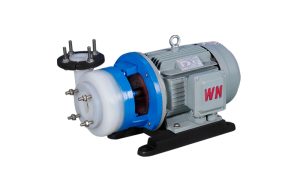
1. Centrifugal pump:
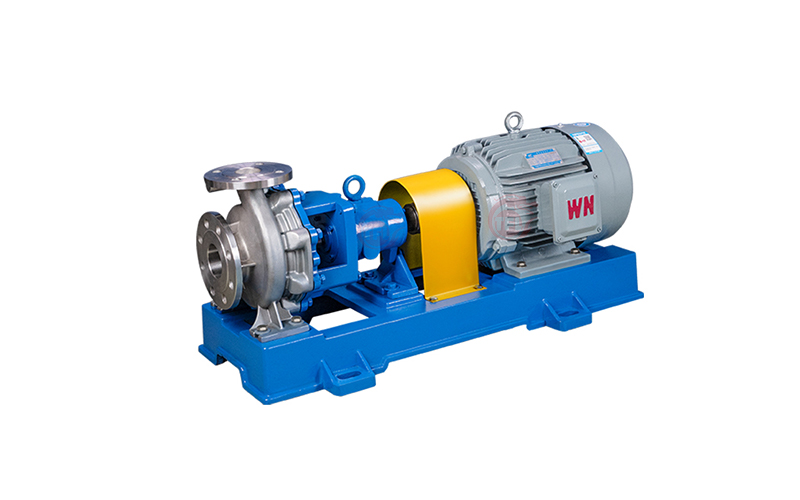
1). Check the appearance to see if any screws or bolts are loose or falling off, and whether the coupling is properly engaged;
2). For pumps that need to be refueled, check whether there is enough oil in the bearing box. If not, add it to the appropriate position according to the instructions;
3). Check the motor parameters to see if they meet the requirements;
4). Turn the coupling by hand to observe whether the pump and motor rotate smoothly and steadily, and whether there is any obstruction or abnormal noise;
5). Check whether the outlet valve is closed, whether the inlet pipeline is leaking, and exhaust the pipeline and pump cavity;
6). For customized pumps such as insulation and external cooling water, please read the instructions carefully before use;
7). Start the motor pump, check the direction of the water pump and whether there are other abnormalities, then turn on the switches of each instrument, and gradually open the outlet valve;
8). After running, observe whether there is any noise, whether the operation is stable, whether the instrument is normal, whether the seal is leaking, and after a period of time, whether the bearing chamber and motor are overheated. The suitable temperature should be below 80 degrees Celsius.
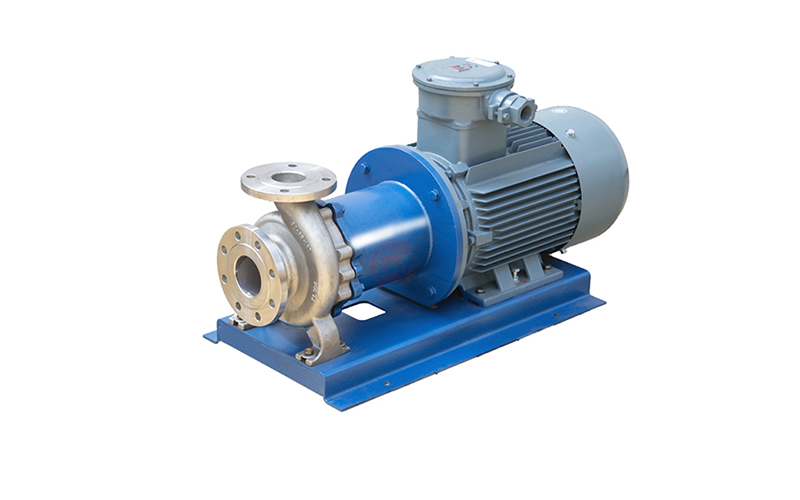
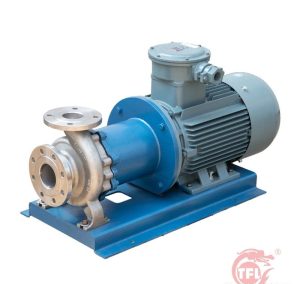
2. Magnetic pump:
1).Check the appearance to see if there are any loose screws or bolts;
2). Check the motor parameters to see if they meet the requirements;
3). Turn the external magnetic steel (located in the hole below the pump connection frame) by hand to observe whether the pump and motor rotate smoothly and stably, and whether there is any jamming or abnormal noise;
4). Check whether the outlet valve is closed, whether the inlet pipeline is leaking, and exhaust the pipeline and pump cavity;
5). The insulated magnetic pump will have a water insulation or steam insulation jacket, please pass the insulation water/steam first.
6). Turn on the switches of each instrument, start the motor pump, check the direction of the water pump and whether there are other abnormalities;
7). After running, observe whether there is any noise, whether the operation is stable, whether the instrument is normal, whether the isolation sleeve is leaking, and after a period of time, whether the motor is overheated. The suitable temperature is below 75 degrees Celsius.
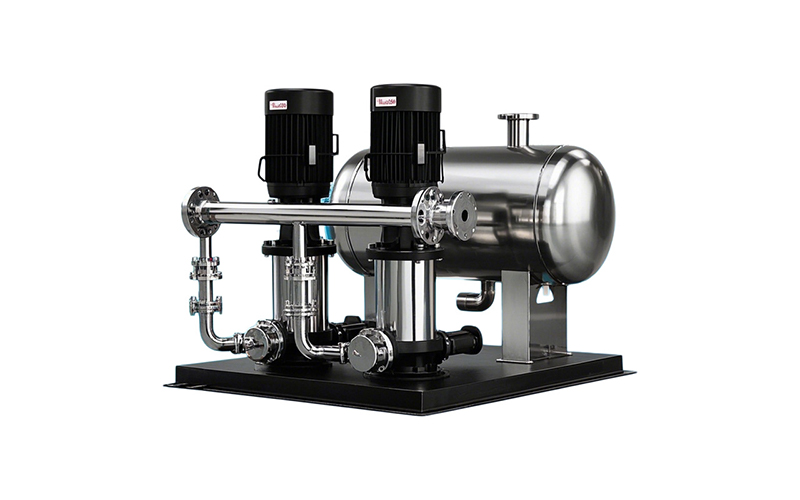
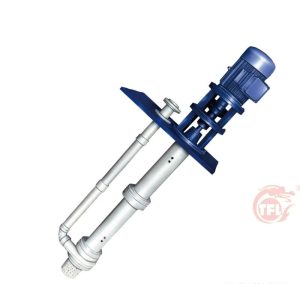
3. Submersible pump:
1). Check the appearance to see if any screws or bolts are loose or falling off;
2). Check the pump pipe and pump body for cracks or other abnormalities, and whether the motor meets the requirements;
3).Turn the coupling by hand to observe whether the pump and motor rotate smoothly and steadily, and whether there is any jamming or abnormal noise;
4). The pump platform should be stable. After connecting the pipeline, start the motor pump to check the steering and other abnormalities;
5).After running, observe whether there is any noise, whether the operation is stable, whether the instrument is normal, and whether the motor is overheated after a period of time. The suitable temperature should be below 80 degrees Celsius.
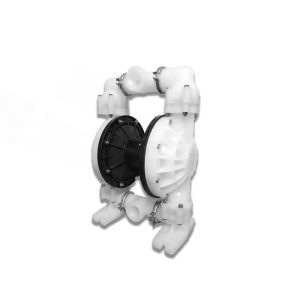
4. Diaphragm pump: pneumatic and electric
1). Place the pump as close to the material as possible to minimize the number of suction pipes and joints;
2). When installing rigid pipes, install flexible hoses between the pump and the rigid pipes to reduce the vibration and tension of the pump, and check whether the system screws and bolts are tightened;
3). For electric diaphragm pumps, check whether the motor meets the requirements. The air source pressure of pneumatic diaphragm pumps should not be too large (less than 8.5 bar), but should have sufficient capacity and pressure (3-7 bar, depending on the pump model);
4). After parking, close the inlet valve and clean the pump as much as possible if conditions permit.