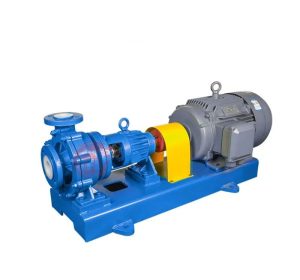
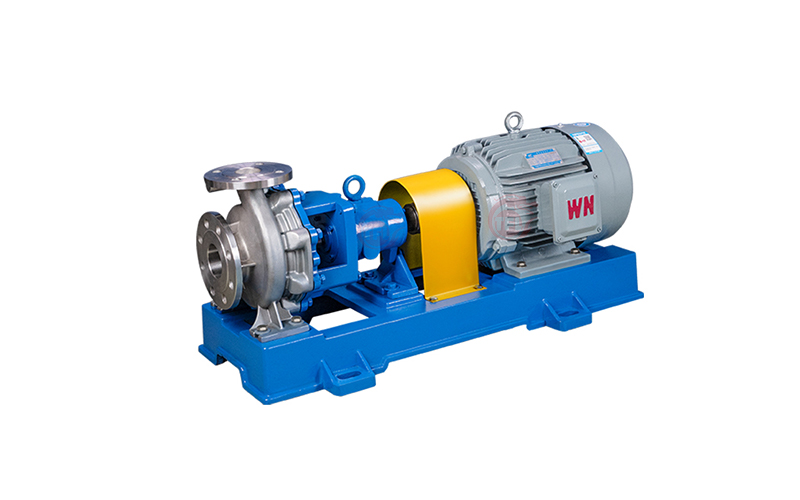
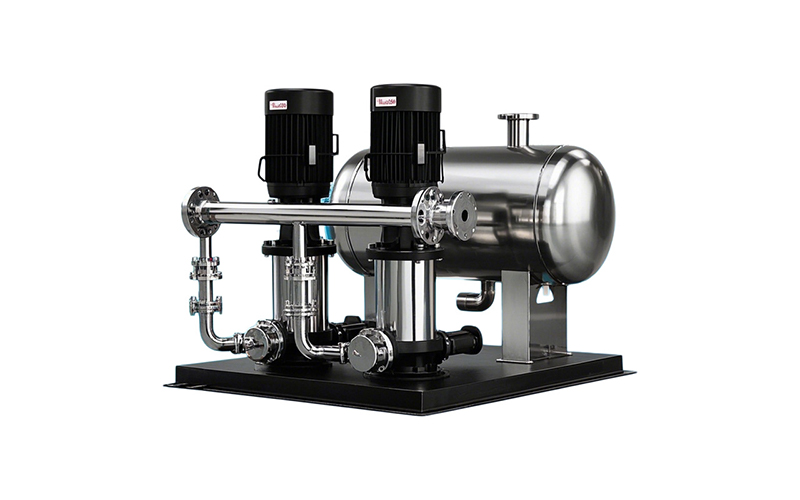
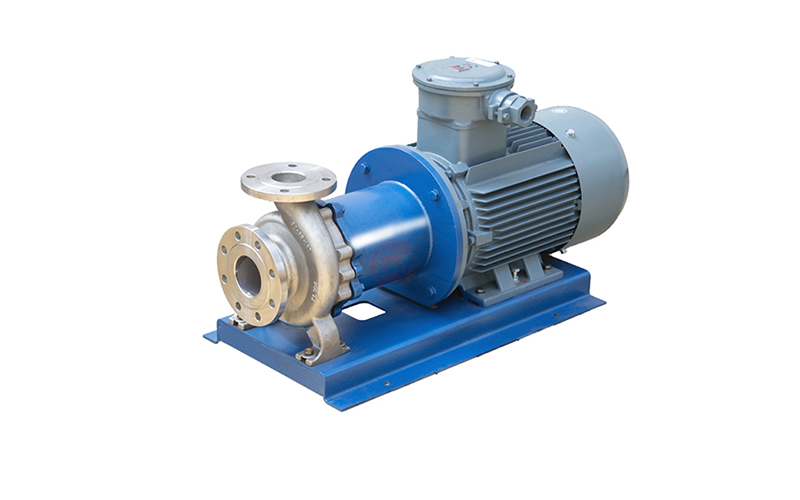
Anti-corrosion and acid-alkali resistant pumps are generally divided into anti-corrosion and acid-alkali resistant centrifugal pumps and anti-corrosion and acid-alkali resistant magnetic pumps. They need to be aligned before connecting the pipeline. What are the requirements for the installation and alignment of the anti-corrosion and acid-alkali resistant pump group? After everything is ready, what should be paid attention to when connecting to the pipeline?
1. Technical requirements for installation and alignment of corrosion-resistant and acid-alkali-resistant pump units
(1). The installation and construction of the pump unit shall be carried out in accordance with the requirements of relevant standards. When there are other requirements in the product technical documents, the installation and acceptance shall be carried out in accordance with the requirements of the product technical documents.
(2). The alignment and leveling of the pump unit shall meet the following requirements:
1) The allowable deviation of the horizontality: 0.05mm/m in the longitudinal direction and 0.10mm/m in the transverse direction.
2) The allowable deviation of the longitudinal and transverse center lines is 5mm;
3) The allowable deviation of the elevation is ±5mm. For connections with other equipment, the allowable deviation of the elevation is ±2mm;
(3). After the initial alignment of the pump unit is qualified, the anchor bolt holes should be grouting within 24 hours; during grouting, the verticality of the anchor bolts should not exceed 0.15/1000m; the grouting material should be one grade higher than the concrete grade of the pump unit foundation, and the grouting should be carried out continuously.
(4.) The anchor bolts can only be tightened when the strength of the grouting concrete in the anchor bolt reserved hole reaches more than 75% of the design strength.
(5). The installation reference measurement point should be selected from the following locations:
1) For integrally installed pumps, the inlet flange surface or other horizontal processing reference surface should be used as the reference;
2) For disassembled pumps, the pump body processing surface should be used as the reference;
3) For vertical pumps, the coupling or motor base should be used as the reference; for reciprocating pumps, the machine body slide, bearing seat, shaft exposed part or other processing surface should be used as the reference.
(6) The pump group should be leveled and aligned with shims in accordance with the following requirements:
1) The shims should be close to both sides of the anchor bolts. If the center distance between the anchor bolts exceeds 1m, shims should be added between the anchor bolts. The total height of the shims should generally be controlled within 20-40mm;
2) Use a small hammer to check the tightness of the shim group. There should be no looseness;
3) Use a 0.05mm feeler gauge to check the gap between the shims and between the shims and the base. The sum of the lengths of the shims from both sides of the same gap should not exceed 1/3 of the length (width) of the shim. After passing the test, perform positioning welding between the shim group layers in a timely manner.
(7). After the pump unit is leveled and aligned, tighten the anchor bolts. The tightening torque and bolt axial tensile stress must meet the standard or specified requirements.
(8). Shaft alignment should be performed after the anchor bolts are tightened. Although the pump factory has completed its assembly and calibration before leaving the factory, the coupling should be recalibrated due to the impact of transportation and installation. Usually, a micrometer is used to check the end runout and radial runout of the coupling. The centering deviation should meet the following requirements:
1) When assembling the flange coupling, the end faces of the two half couplings should be in close contact, the radial displacement of the centering deviation of the two shafts should be less than 0.03mm, and the axial tilt should be less than 0.05/1000, or in accordance with the requirements of the pump product technical documents;
2) When assembling the elastic sleeve pin coupling, the centering deviation of the two shafts and the end face clearance of the coupling should meet the requirements of the pump product technical documents or relevant standards;
3) When assembling the laminated flexible coupling, the centering deviation should meet the requirements of the pump product technical documents or relevant standards. (9) For high-temperature pumps or pump units with steam turbine as the prime mover, the thermal expansion factor during operation should be considered. When installing in a cold state, the elevation of the high-temperature operating equipment side should be adjusted or hot-aligned according to the requirements of the pump product technical documents. That is, after the pump has been running at the operating temperature for a period of time, if the unit vibration is found to be too large, the power supply can be cut off after the pump is stopped, and the coupling bolts can be loosened to re-align. For low-temperature pumps or other pumps with a large difference between the operating temperature and the installation temperature, if the unit vibration becomes larger after running for a period of time, the alignment value should also be appropriately adjusted.
(10) When the driver and pump are driven by belts, the parallelism of the two shafts and the offset of the two wheels should comply with the provisions of the pump product technical documents or relevant standards. The installation of the pump unit with elastic supports should comply with the provisions of the pump product technical documents.
2. Connection between pump unit and pipeline
(1). Before installing the pipeline, sand, iron filings, slag and other debris inside the pipeline should be removed piece by piece. Pipes with special requirements in the design documents should be processed according to the requirements of the design documents.
(2). After the installation of the pipeline and the support and hanger connected to the pump unit is completed, the flange bolts on the pipe should be removed. All bolts should be able to pass smoothly through the bolt holes in the free state; the parallelism and coaxiality between the flange sealing surfaces are allowed to deviate according to the design documents or product technical documents; the spacing between the matching flange surfaces in the free state should be small enough to allow the gasket to be inserted smoothly.
(3). The opening on the pipeline should be completed before the pipeline is installed. When opening a hole in the installed pipeline, foreign matter generated by cutting in the pipe should be cleaned up to prevent it from entering the pump.
(4). The pipeline connected to the pump unit should be installed from the pump unit side, and the pipe support should be installed first. The weight and additional torque of the pipeline and valves should not act on the pump unit. If the medium transported is a medium with a temperature difference that is large from the ambient temperature, the pipeline should be equipped with an expansion joint. (5) After the pipeline is connected to the pump unit, the original alignment accuracy of the pump should be rechecked. If deviation is found due to the pipeline connection, the pipeline and its bracket should be adjusted.