
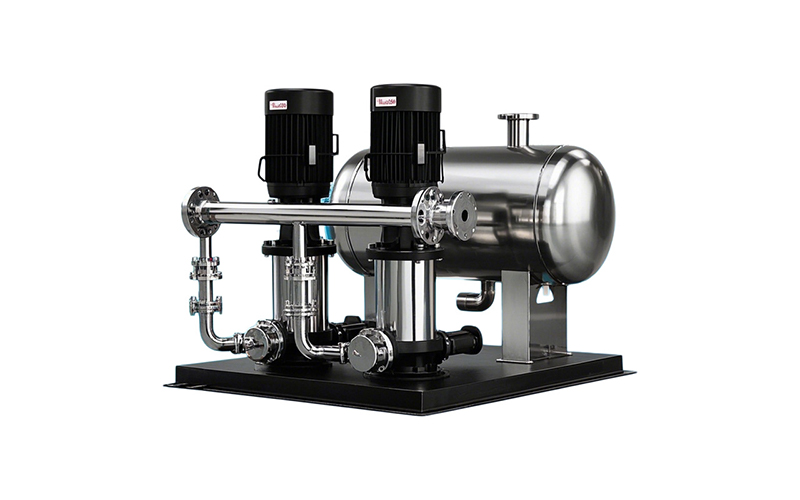
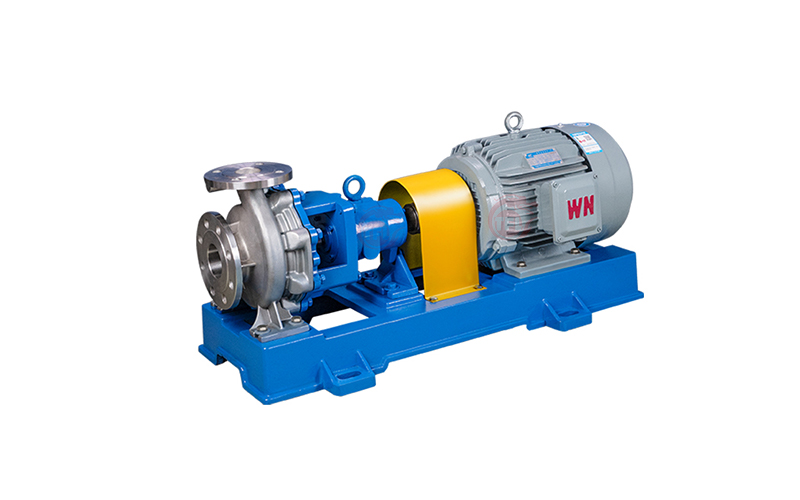
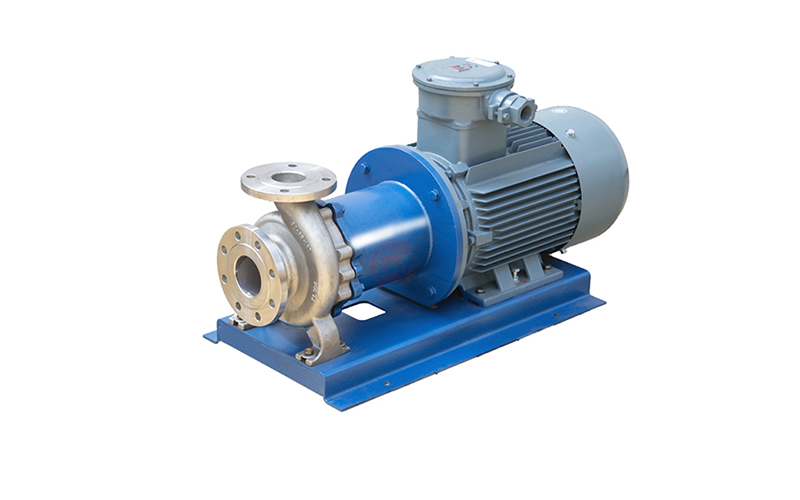
During the application process of pipeline centrifugal pumps, common faults include the inability to start or heavy starting load, failure to discharge liquid, insufficient liquid supply, and interruption of liquid discharge after the pump starts working. These common faults can have a significant negative impact on the use of pipeline centrifugal pumps and production during operation. Users of pipeline centrifugal pumps must pay special attention to these common fault issues.
A pipeline centrifugal pump is a centrifugal pump facility used to transport clean water or liquids with physical and chemical properties similar to clean water. It is mainly applied in various fields such as industrial production, buildings, and landscape fire protection. If problems occur during the application of a pipeline centrifugal pump, it will have a huge negative impact on its working efficiency. Workers must do sufficient research on the common faults of pipeline centrifugal pumps and, if possible, find solutions in a timely manner.
1. Pipeline Centrifugal Pump Fails to Start or Has a Heavy Starting Load
Common fault analysis and solutions are as follows:
(1) The prime mover or power supply is abnormal. Solution: Check the status of the power supply and prime mover.
(2) The pump is stuck. Solution: Manually turn the coupling for inspection. If necessary, disassemble the pump for inspection and eliminate faults in the moving and static parts.
(3) The packing is too tight. Solution: Loosen the packing.
(1) The prime mover or power supply is abnormal. Solution: Check the status of the power supply and prime mover.
(2) The pump is stuck. Solution: Manually turn the coupling for inspection. If necessary, disassemble the pump for inspection and eliminate faults in the moving and static parts.
(3) The packing is too tight. Solution: Loosen the packing.
2. Pipeline Centrifugal Pump Fails to Discharge Liquid
Common fault analysis and solutions are as follows:
(1) Inadequate priming (or gas in the pump is not completely discharged). Solution: Prime the pump again.
(2) The pump is rotating in the wrong direction. Solution: Check the rotation direction.
(3) The pump speed is too low. Solution: Check the speed and increase it.
(1) Inadequate priming (or gas in the pump is not completely discharged). Solution: Prime the pump again.
(2) The pump is rotating in the wrong direction. Solution: Check the rotation direction.
(3) The pump speed is too low. Solution: Check the speed and increase it.
3. Insufficient Liquid Supply in the Centrifugal Pump
During the operation of a centrifugal pump, if there is no liquid supply or the liquid pressure is insufficient, the centrifugal pump will malfunction and cannot operate normally. For centrifugal pump failures caused by this reason, first, check whether the pump casing and the inlet pipeline are completely filled with liquid. If not, add liquid in a timely manner to ensure that the pump is full of liquid. Second, a low pump speed, high system head, or blockage of the impeller and pipeline will directly affect the normal operation of the pump.
At this time, maintenance personnel need to check whether the motor wiring is normal, whether the components of the system head and net positive suction head are normal, and whether there is any wear. Replacing damaged parts in a timely manner can restore the normal operation of the pump. Finally, a damaged impeller or excessive clearance between impellers also affects the normal operation of the pump. Regularly check the impeller, replace the impeller in a timely manner, and adjust the clearance between impellers to ensure the smooth operation of the centrifugal pump.
During the use of a centrifugal pump, insufficient flow rate and unqualified head are also common faults. If there is a problem of insufficient flow rate in the centrifugal pump, maintenance personnel can check whether there are problems with the liquid level and system pressure, and then check whether there are obstacles in the pipeline and check valve. Replace the wear ring and impeller in a timely manner, and check whether the shaft seal is not properly sealed, resulting in liquid leakage. Update and clean the damaged parts found in a timely manner.
If the centrifugal pump head is insufficient, it is recommended that maintenance personnel check whether the impeller, liquid density and viscosity meet the design requirements. Appropriately reduce the flow rate and increase the centrifugal pump head.
Regarding the problem of water discharge when the centrifugal pump starts, first of all, before starting the machine, check whether the centrifugal pump has been filled with water, whether the water filling meets the standard, and whether the pump is full of water. If it is not a problem with water filling, then check the suction pipe. Check whether there is an air leak in the suction pipe or whether there are bubbles in the suction pipe during operation, and take corresponding measures according to the actual situation. In addition, check the power of the centrifugal pump during operation. Whether the low rotation speed during operation leads to a lack of power. The last situation is to check the suction height and adjust it to an appropriate height for normal operation.
At this time, maintenance personnel need to check whether the motor wiring is normal, whether the components of the system head and net positive suction head are normal, and whether there is any wear. Replacing damaged parts in a timely manner can restore the normal operation of the pump. Finally, a damaged impeller or excessive clearance between impellers also affects the normal operation of the pump. Regularly check the impeller, replace the impeller in a timely manner, and adjust the clearance between impellers to ensure the smooth operation of the centrifugal pump.
During the use of a centrifugal pump, insufficient flow rate and unqualified head are also common faults. If there is a problem of insufficient flow rate in the centrifugal pump, maintenance personnel can check whether there are problems with the liquid level and system pressure, and then check whether there are obstacles in the pipeline and check valve. Replace the wear ring and impeller in a timely manner, and check whether the shaft seal is not properly sealed, resulting in liquid leakage. Update and clean the damaged parts found in a timely manner.
If the centrifugal pump head is insufficient, it is recommended that maintenance personnel check whether the impeller, liquid density and viscosity meet the design requirements. Appropriately reduce the flow rate and increase the centrifugal pump head.
Regarding the problem of water discharge when the centrifugal pump starts, first of all, before starting the machine, check whether the centrifugal pump has been filled with water, whether the water filling meets the standard, and whether the pump is full of water. If it is not a problem with water filling, then check the suction pipe. Check whether there is an air leak in the suction pipe or whether there are bubbles in the suction pipe during operation, and take corresponding measures according to the actual situation. In addition, check the power of the centrifugal pump during operation. Whether the low rotation speed during operation leads to a lack of power. The last situation is to check the suction height and adjust it to an appropriate height for normal operation.
4. Interruption of Liquid Discharge After the Pump Starts Discharging
Common fault analysis and solutions are as follows:
(1) The suction pipeline has an air leak. Solution: Check the sealing conditions of the joints on the suction side pipeline and the stuffing box.
(2) The gas on the suction side was not completely discharged during priming. Solution: Prime the pump again.
(3) The suction side is suddenly blocked by foreign objects. Solution: Stop the pump and handle the foreign objects.
(1) The suction pipeline has an air leak. Solution: Check the sealing conditions of the joints on the suction side pipeline and the stuffing box.
(2) The gas on the suction side was not completely discharged during priming. Solution: Prime the pump again.
(3) The suction side is suddenly blocked by foreign objects. Solution: Stop the pump and handle the foreign objects.
Based on the above detailed introduction to the analysis and solutions for common faults of pipeline centrifugal pumps, do you have a deeper understanding of pipeline centrifugal pumps?