
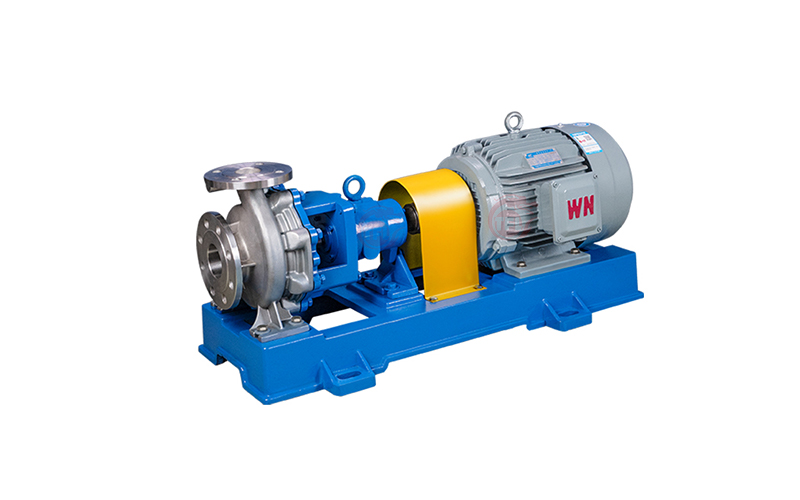
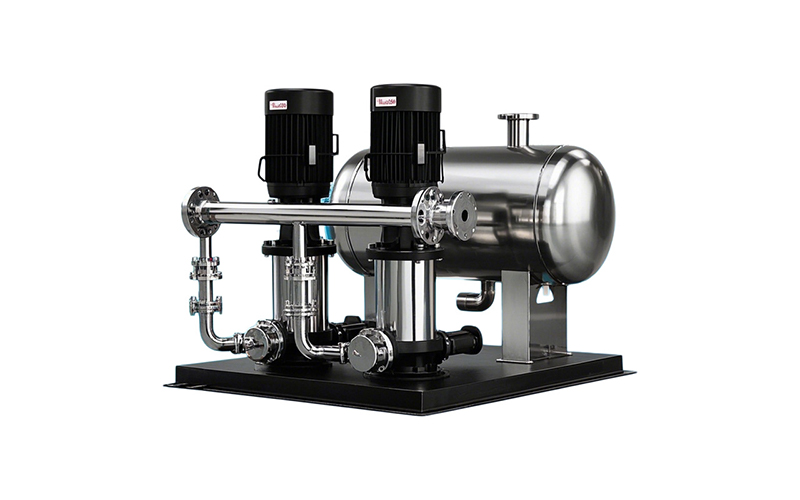
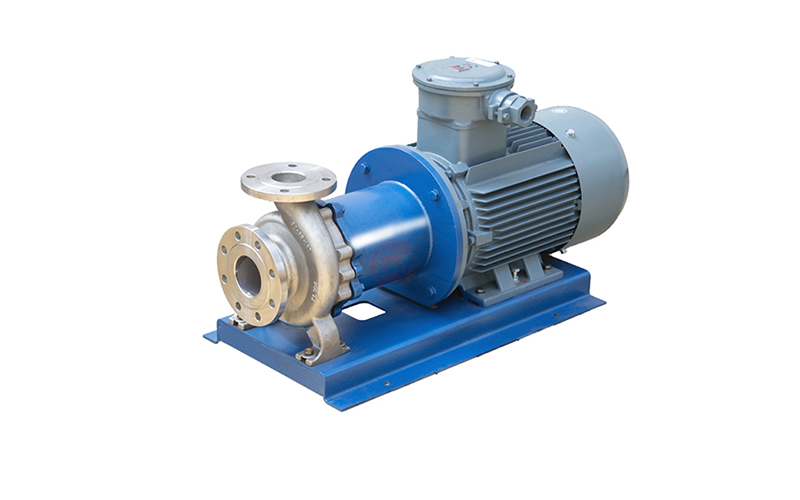
Centrifugal pumps are widely used in petrochemical, coal chemical and other chemical production to transport liquids of different properties and provide the pressure and flow required for chemical reactions. There are many types of centrifugal pumps, which can be divided into acid pumps, alkali pumps, clean water pumps, mud pumps, etc. according to the different properties of the conveying medium. Because the working temperature and working pressure of the conveying medium are different, the service life of the centrifugal pump can be effectively extended, the maintenance amount can be reduced, and it has a great effect on improving the economic benefits of the factory.
1. Selection and installation of centrifugal pumps
Centrifugal pumps should be selected according to the liquid to be transported, and the required performance should be checked, and the suction and discharge conditions should be analyzed, whether it is intermittent operation or continuous operation. Centrifugal pumps should usually operate at or close to the pressure and flow conditions specified by the manufacturer. The following reviews should be carried out when installing the pump:
a. The size, position, and elevation of the foundation should meet the design requirements. The anchor bolts must be reasonably and correctly fixed in the concrete foundation. The machine should not have missing parts, damage or rust.
b. According to the characteristics of the medium transported by the pump, the materials of the main parts, shaft seals and gaskets should be checked when necessary;
c. The leveling and alignment of the pump should comply with the provisions of the equipment technical documents. If there are no regulations, it should comply with the provisions of the current industry standard “General Specifications for Construction and Acceptance of Mechanical Equipment Installation Engineering”;
d. All pipes and fittings connected to the pump body and the cleaning requirements of the lubricating oil pipeline should comply with the provisions of relevant industry standards.
2. The use and trial operation of centrifugal pumps shall meet the following requirements
a. The direction of the driving machine shall be the same as that of the pump;
b. Check the direction of the pipeline pump and the coaxial pump;
c. All fixed connection parts shall not be loose, and the specifications and quantity of lubricants added to each lubrication part shall comply with the provisions of the equipment technical documents;
d. Parts with pre-lubrication requirements shall be pre-lubricated as required;
e. All indicating instruments and safety protection devices shall be sensitive, accurate and reliable;
f. The turning gear shall be flexible and free of abnormal phenomena;
g. The high-temperature pump shall be preheated before trial operation, and the temperature shall rise evenly, and the temperature rise shall not exceed 500℃ per hour;
h. Set up a connection device to eliminate the influence of temperature rise, and set up a bypass connection device to provide cooling water source.
3. The following points should be noted when operating the centrifugal pump
a. It is forbidden to operate without water, do not adjust the suction port to reduce the displacement, and it is forbidden to operate at too low a flow rate;
b. Monitor the operation process, completely prevent the leakage of the stuffing box, and use new stuffing when replacing the stuffing box;
c. Ensure that the mechanical seal has sufficient water flow for flushing, and water-cooled bearings are prohibited from using too much water flow;
d. Do not use too much lubricant;
e. Check according to the recommended cycle. Establish an operation record, including the number of operating hours, the adjustment and replacement of the stuffing, the addition of lubricants and other maintenance measures and time. The suction and discharge pressure, flow, input power, temperature of the wash liquid and bearings, and vibration of the centrifugal pump should be measured and recorded regularly.